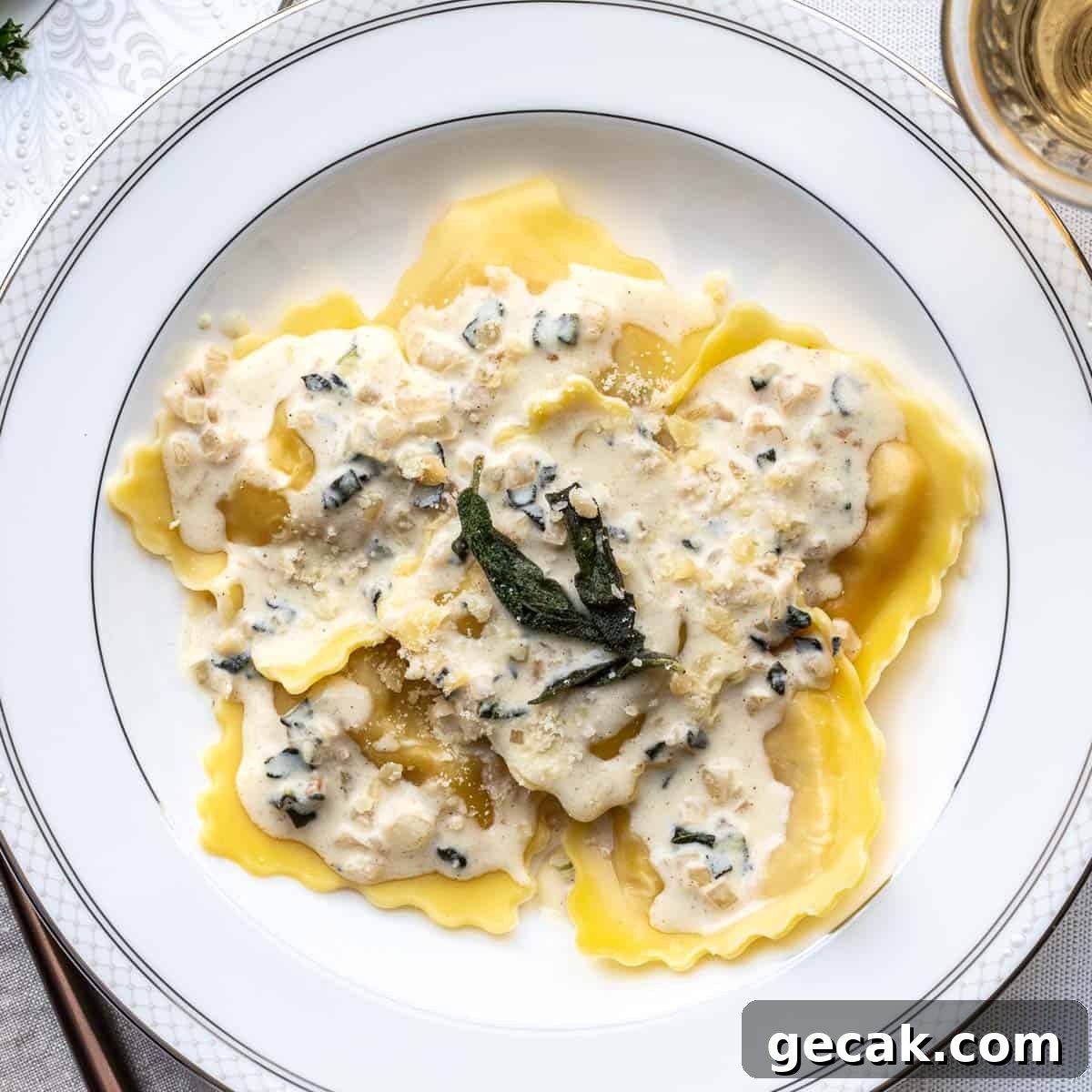
If you’re serving lobster ravioli, the sauce should support—not overpower—the delicate filling. This light cream sauce adds just enough lemon and sage to enhance the lobster, and a quick pan technique gets it on the plate while the ravioli is still warm.
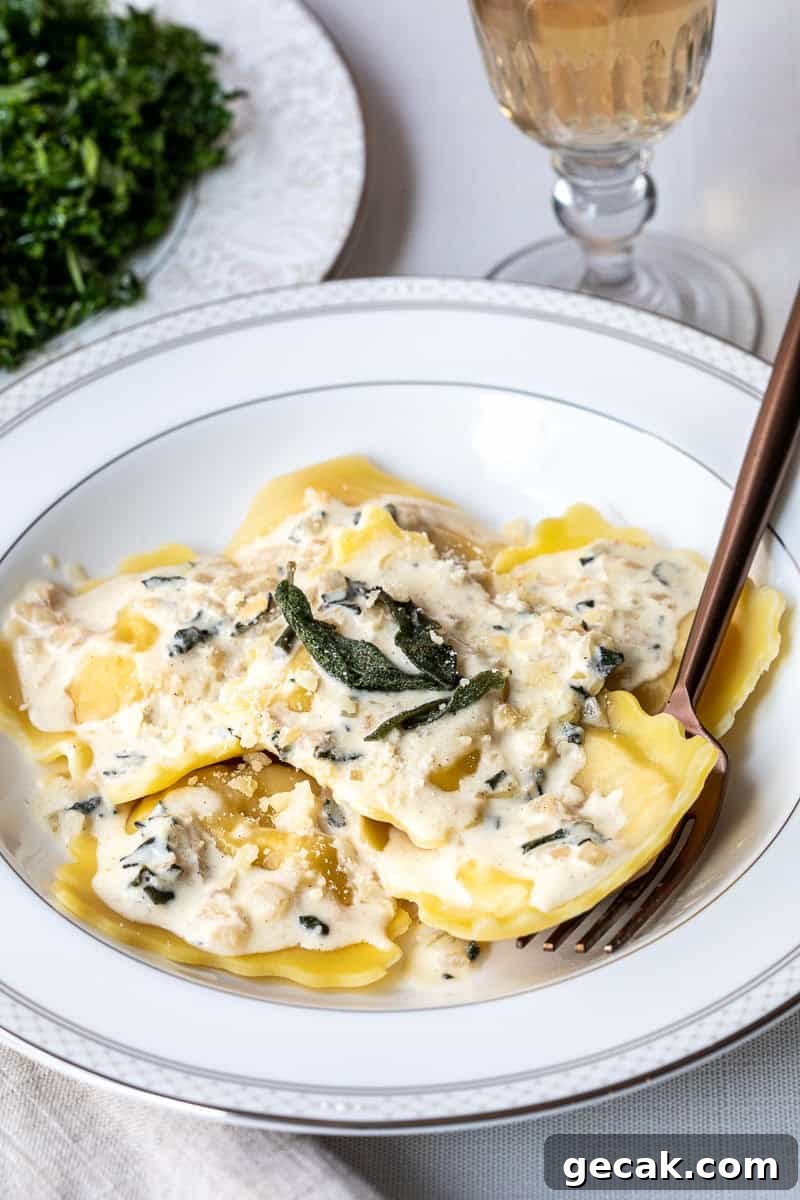
As a former personal chef, I learned that simple sauces often make the biggest impact—especially with filled pastas like lobster ravioli. Over the years I used straightforward, elegant sauces for anniversary dinners and special gatherings, and this recipe is one of my favorites for highlighting seafood-filled ravioli without masking its flavor.
This lobster ravioli sauce uses a short ingredient list and a quick skillet method to produce a silky, restaurant-worthy sauce you can make any night of the week.
Why You’ll Love this Lobster Ravioli Sauce
- A lighter cream sauce tailored for lobster ravioli—richer than a broth but less heavy than a classic Alfredo.
- Fast: the sauce takes about 10 minutes, roughly the same time needed to cook the ravioli.
- Chef-tested and home-cook friendly—luxury flavor without complicated steps.
🥗 Ingredients
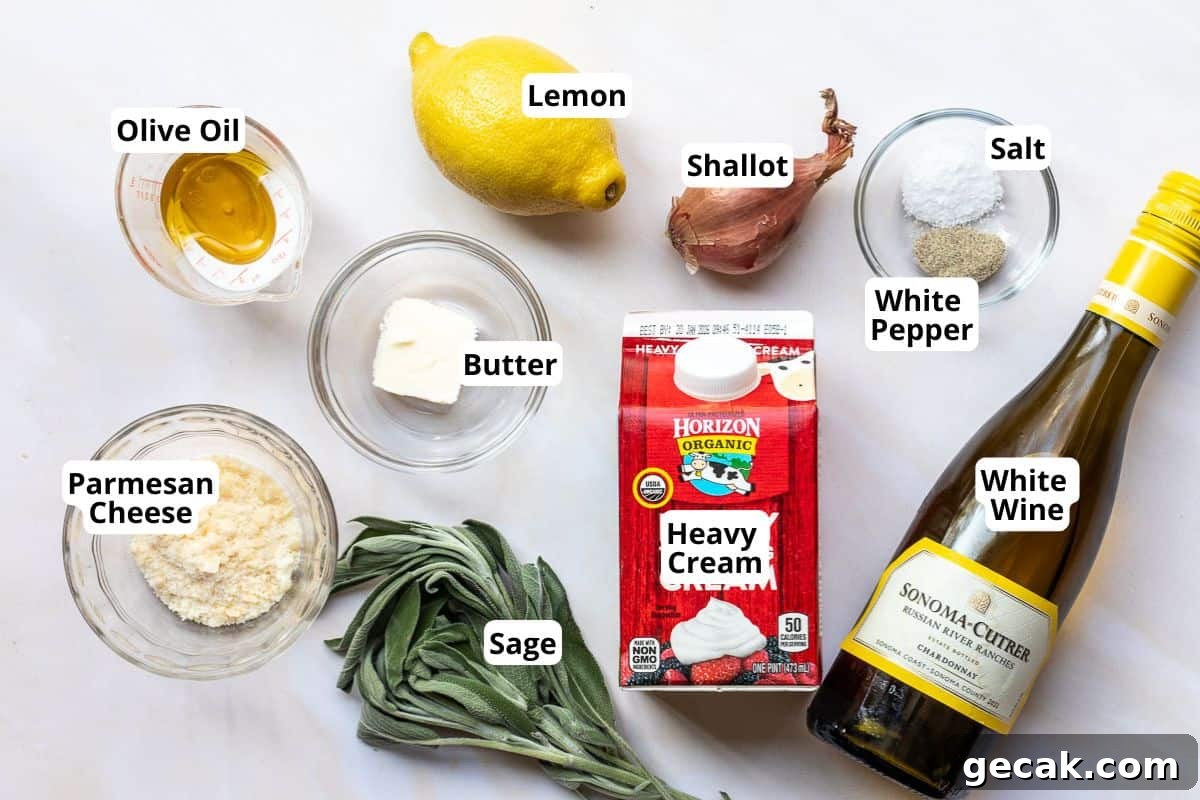
- Shallot: Mild and subtle—perfect here. Swap with red or white onion if needed.
- Fresh sage: Complements cream and lobster. Try rosemary, dill, or basil if you prefer.
- White wine: Use an unoaked Chardonnay, Sauvignon Blanc, or Pinot Grigio. Vermouth or chicken broth also work.
- Heavy cream: Combined with pasta water for a lighter finish; swap in light cream for less richness.
- Lemon juice: Start with 1 teaspoon and adjust; lemon zest is a nice garnish option.
- White pepper: Gentle heat without black specks—black pepper is fine too.
🥣 Step-by-Step Instructions
Bring a large pot of salted water to a boil. Cook 8 ounces lobster ravioli according to package directions. Reserve ½ cup of the pasta cooking water before draining the ravioli.
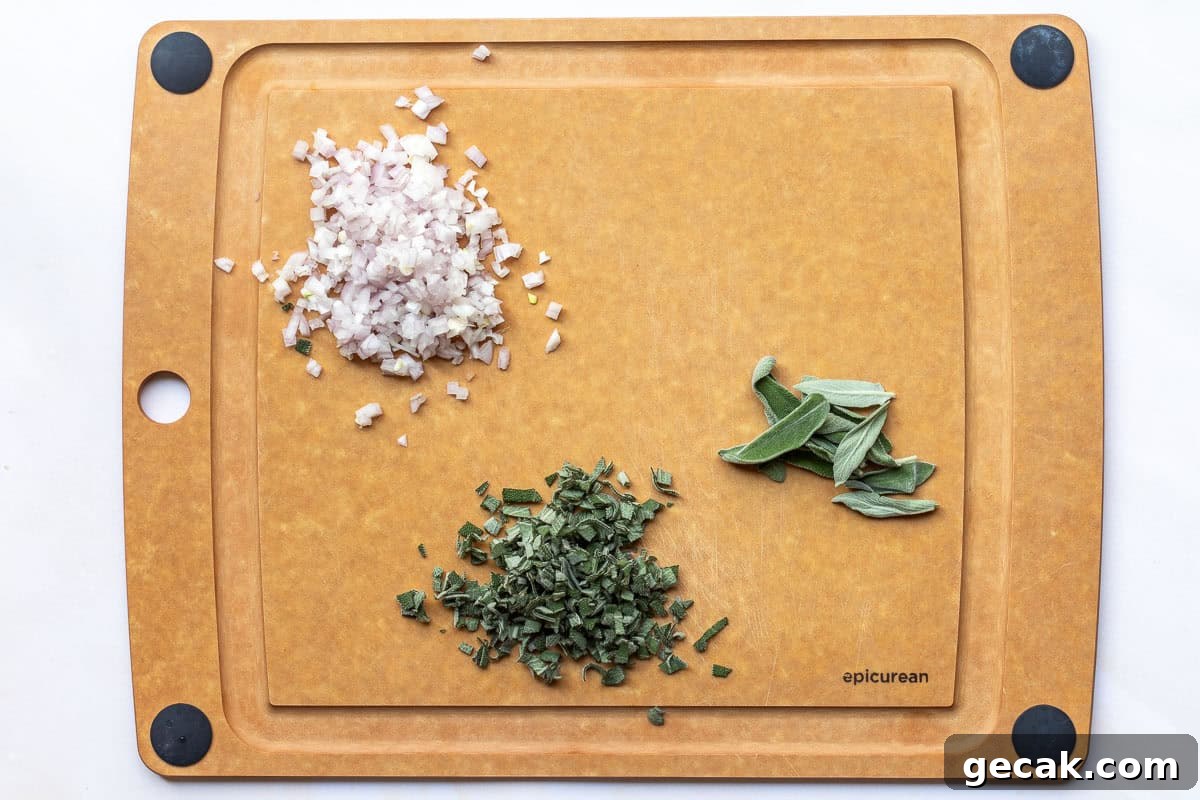
Peel and finely chop 1 shallot. Chop 1 ½ tablespoons fresh sage, and reserve 6–8 whole leaves for crisping and garnish.
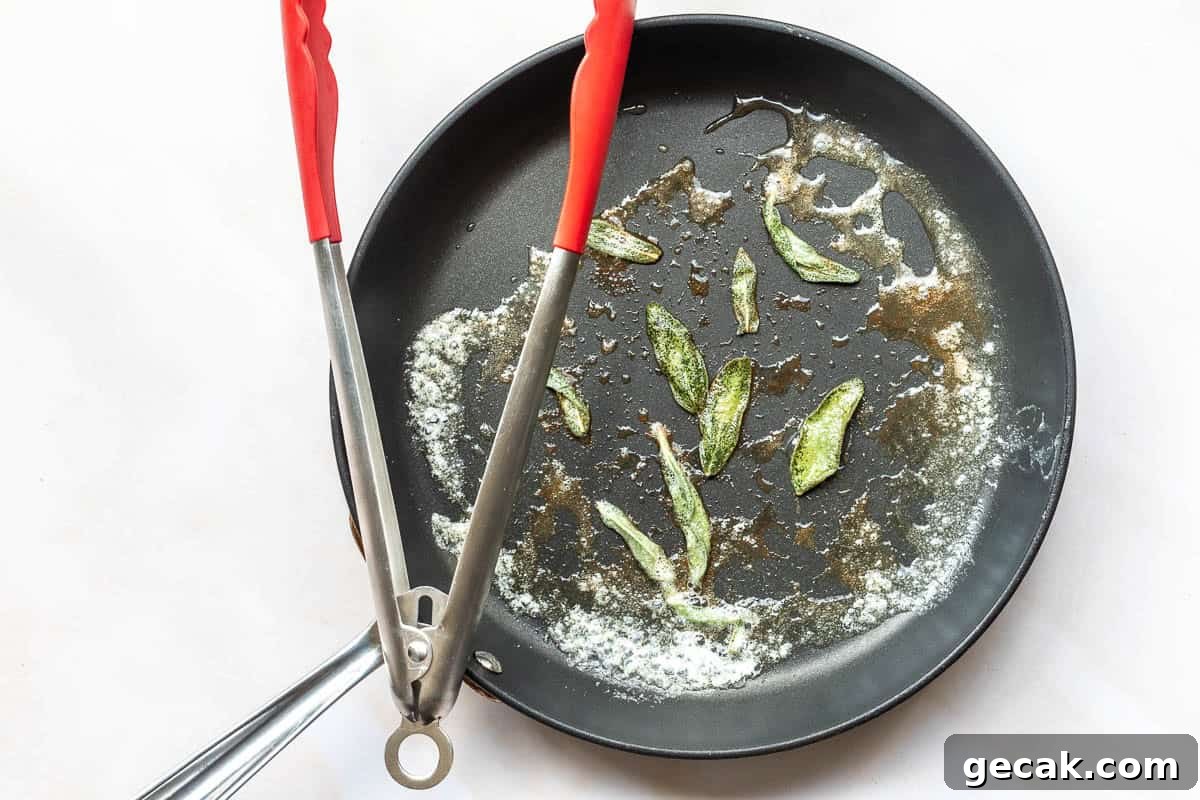
In a 10-inch skillet, melt 1 tablespoon butter over medium heat. Add the whole sage leaves and fry for about 2 minutes until crisp but not browned. Transfer the leaves to a paper towel to drain and set aside for garnish.
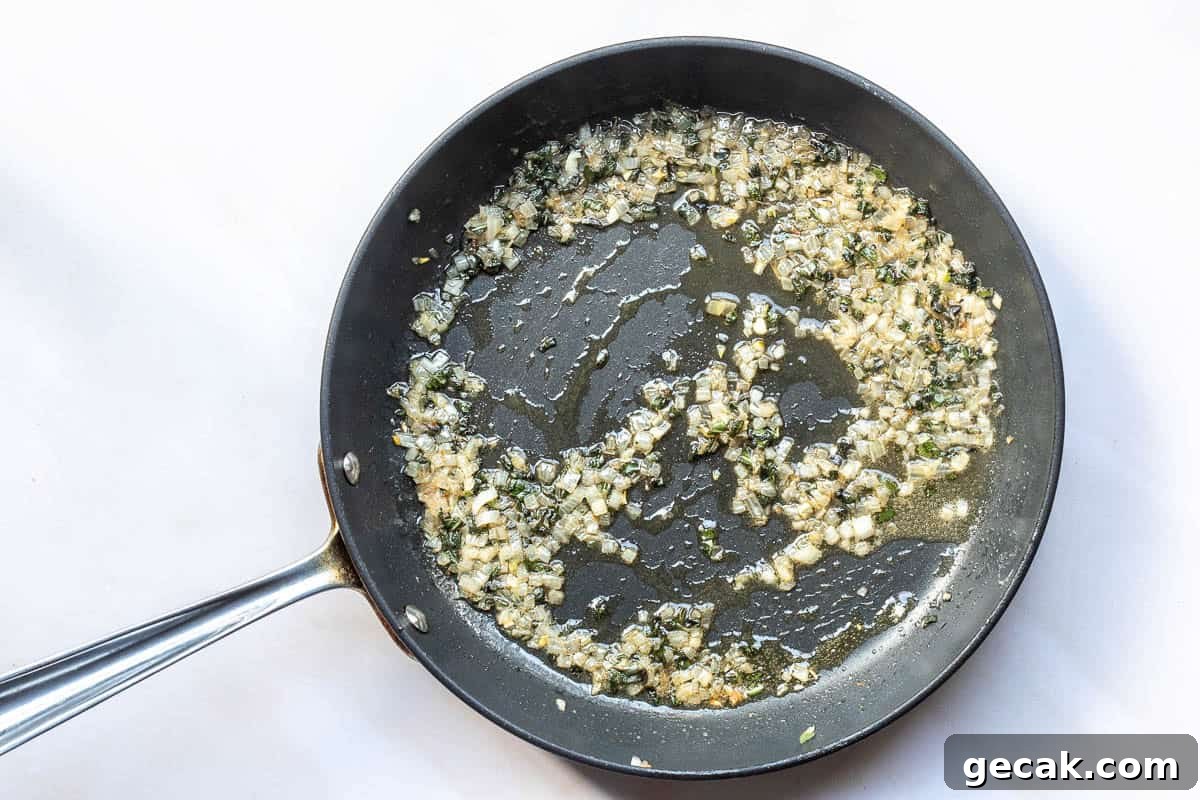
Add 1 tablespoon olive oil to the skillet (no need to wipe it out). Add the chopped shallot and 1 ½ tablespoons chopped sage and sauté over medium heat until lightly golden, about 2 minutes. Pour in 2 tablespoons white wine and stir to deglaze the pan; cook about 1 minute until most of the wine has evaporated.
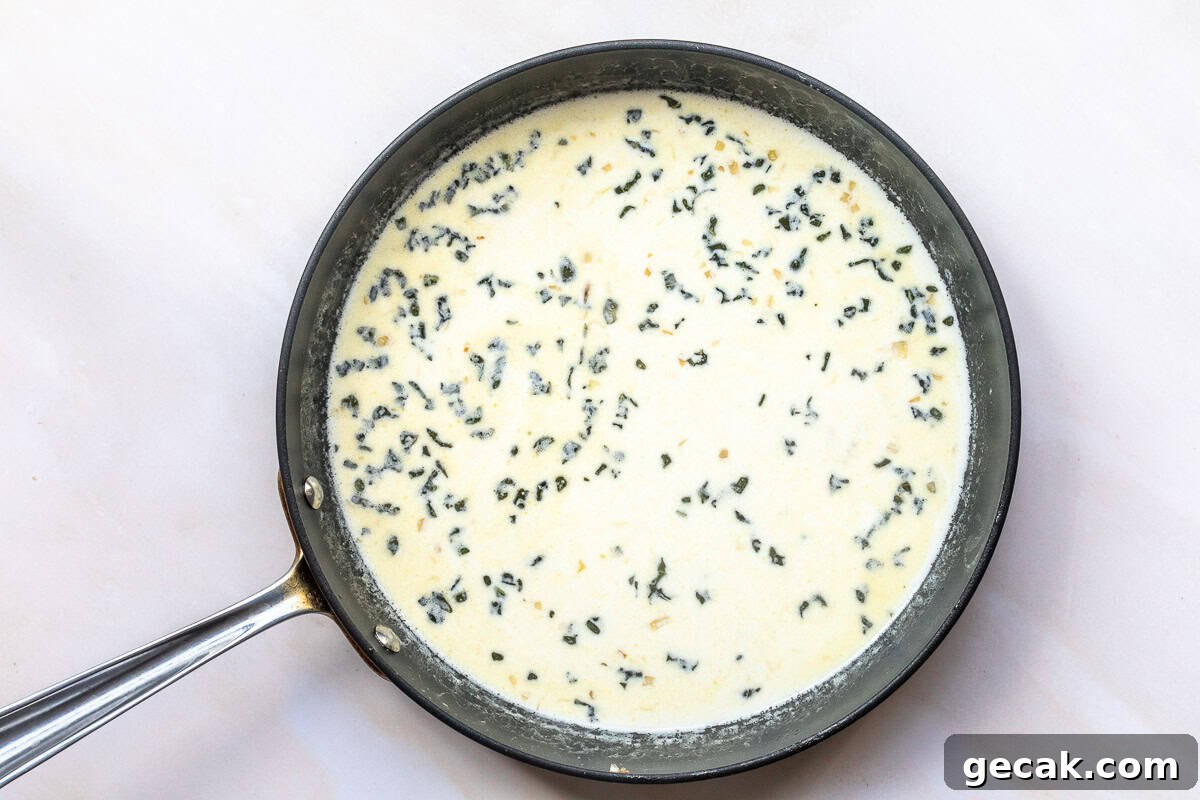
Stir in ½ cup heavy cream and the reserved ½ cup pasta water. Add 1 teaspoon lemon juice (more to taste), 1 tablespoon grated Parmesan, ½ teaspoon kosher salt, and ¼ teaspoon white pepper. Increase heat to medium-high and bring the sauce to a gentle simmer.
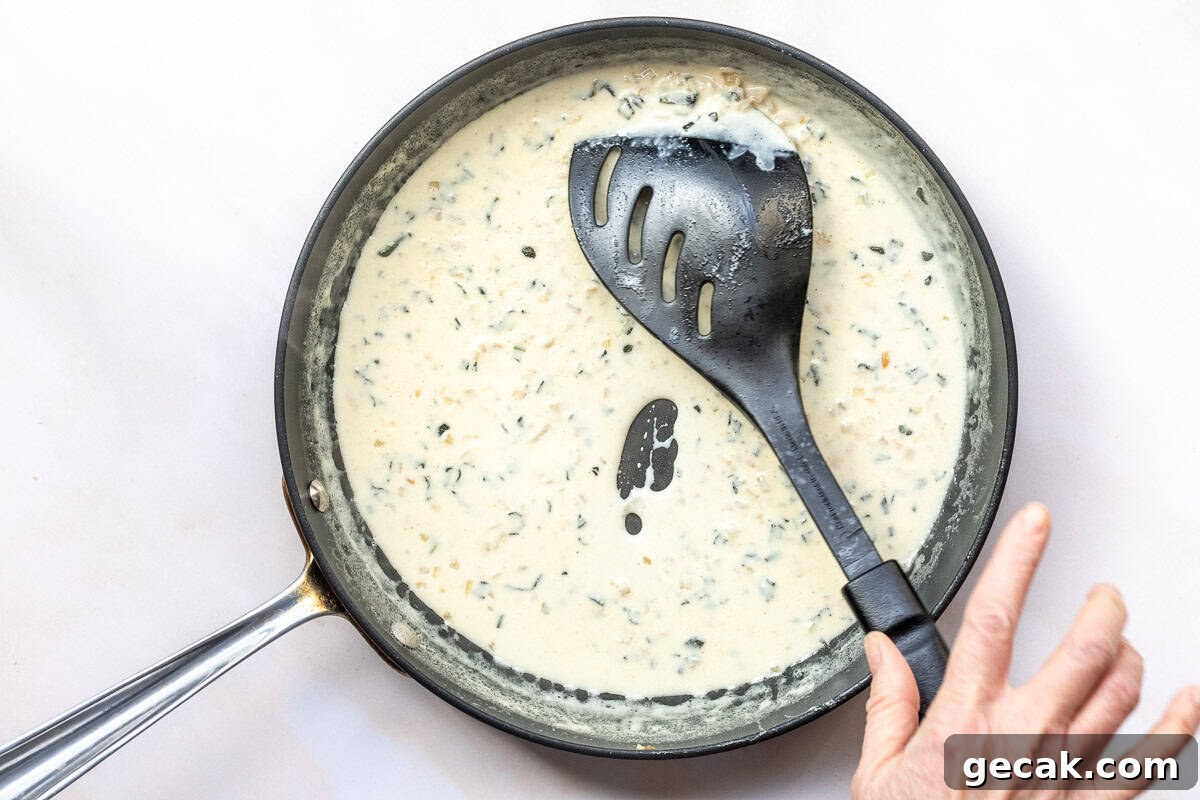
Reduce heat to medium and simmer for about 5 minutes, until the sauce thickens slightly and coats the back of a spoon. Taste and adjust lemon, Parmesan, or salt as needed.
Either divide the drained ravioli between plates and spoon the sauce over them, or add the ravioli to the pan and gently toss to coat before plating. Garnish with the crisped sage leaves and extra Parmesan.
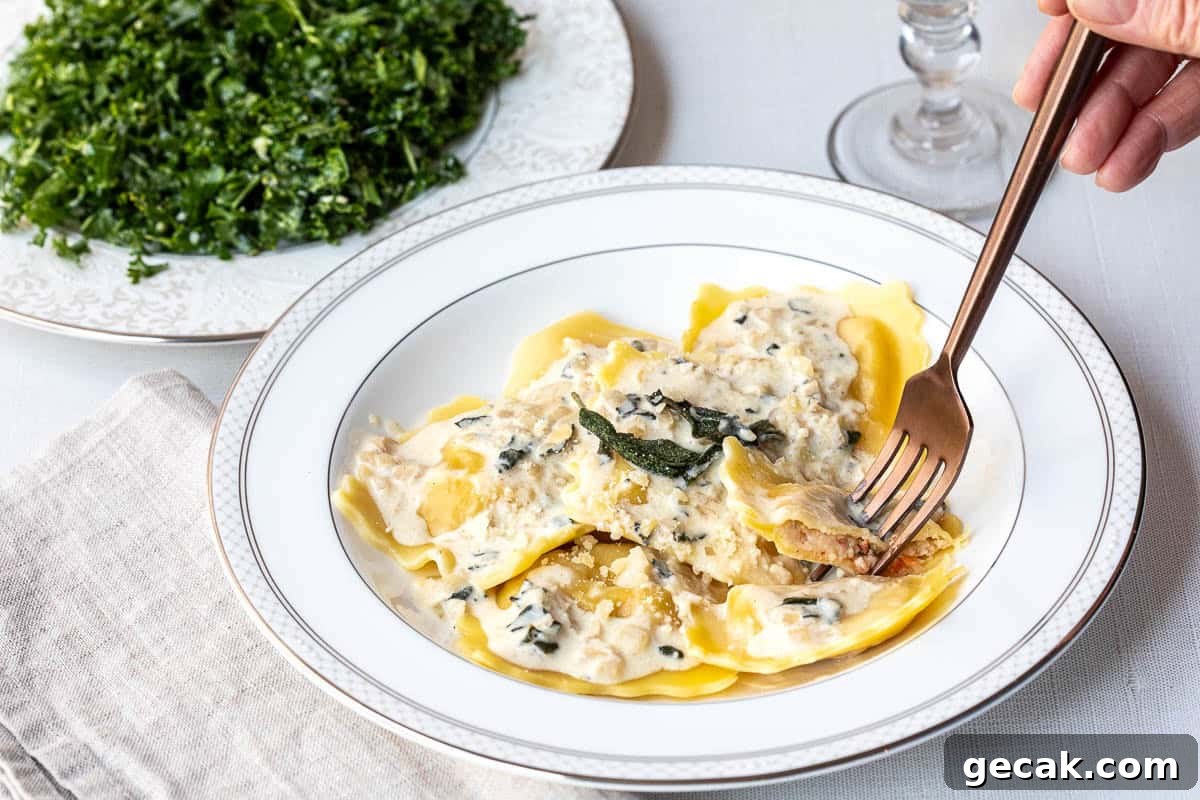
Storage Tips
Store leftover ravioli and sauce together in an airtight container in the refrigerator for up to 3 days. Reheat gently, adding a splash of cream or pasta water if the sauce has thickened.
🧐 Recipe FAQs
Can I make this sauce ahead? It’s easiest when made fresh because the reserved pasta water (starchy from cooking the ravioli) helps the sauce emulsify and cling to the pasta. If you must make it ahead, use broth or water in place of pasta water and reheat gently, adding a splash of cream or pasta water when serving.
Can I use dried sage? Yes for the sauce, but use a very small amount—dried sage is concentrated. It won’t crisp for garnish like fresh leaves.
Will this sauce work with other filled pastas? Yes. It pairs especially well with seafood-filled ravioli. For cheese-filled ravioli, you might increase the lemon a bit to balance richness.
👩🍳 Expert Tips
- Watch the sage when crisping; it burns quickly.
- The sauce is ready when it coats the spatula and leaves a slight trail when you scrape the pan.
- Salt the pasta water well—this seasons both the ravioli and the sauce when you add the reserved water.
- Cook shallots and sage over moderate heat to avoid bitterness from burning.
- Add Parmesan gradually so it incorporates smoothly and doesn’t clump or overwhelm the lobster flavor.
- Serve immediately so the sauce doesn’t cool and thicken.
- Top with reserved lobster meat or steamed tails if you make ravioli from scratch for extra texture and flavor.
- For heat, add a pinch of red pepper flakes.
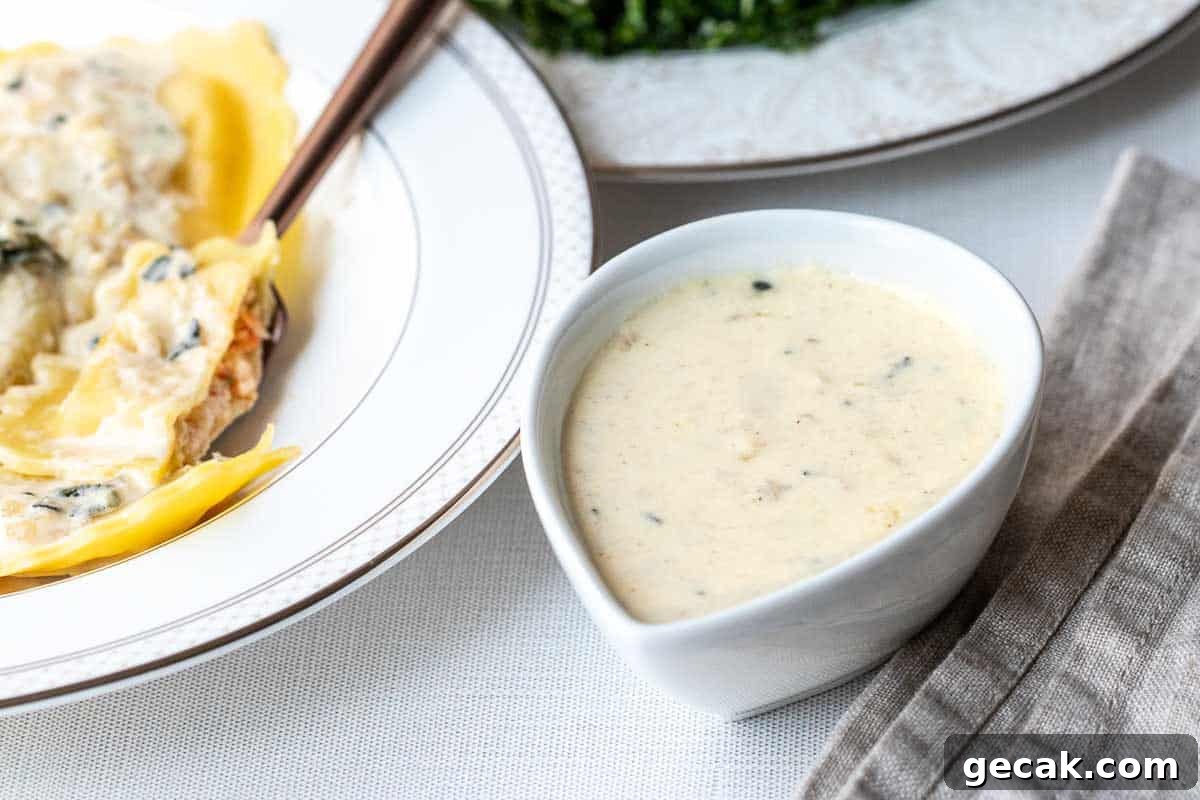
What to Serve with Lobster Ravioli
Keep sides simple to let the ravioli shine: a green salad, sautéed spinach, steamed peas, or roasted vegetables like broccoli rabe, sweet peppers, or carrots. A crisp, dry white wine pairs beautifully.
Other Seafood Pasta Recipes
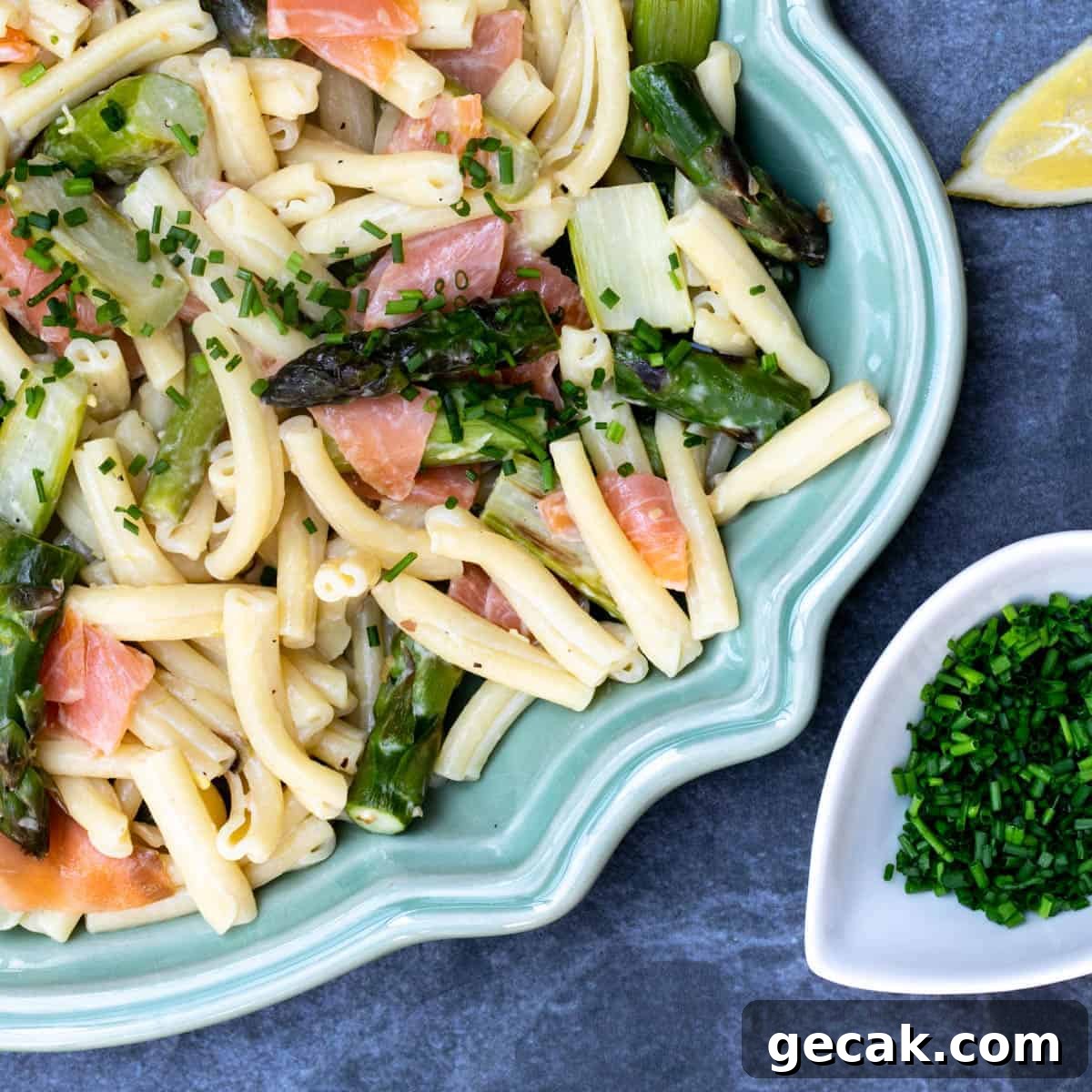
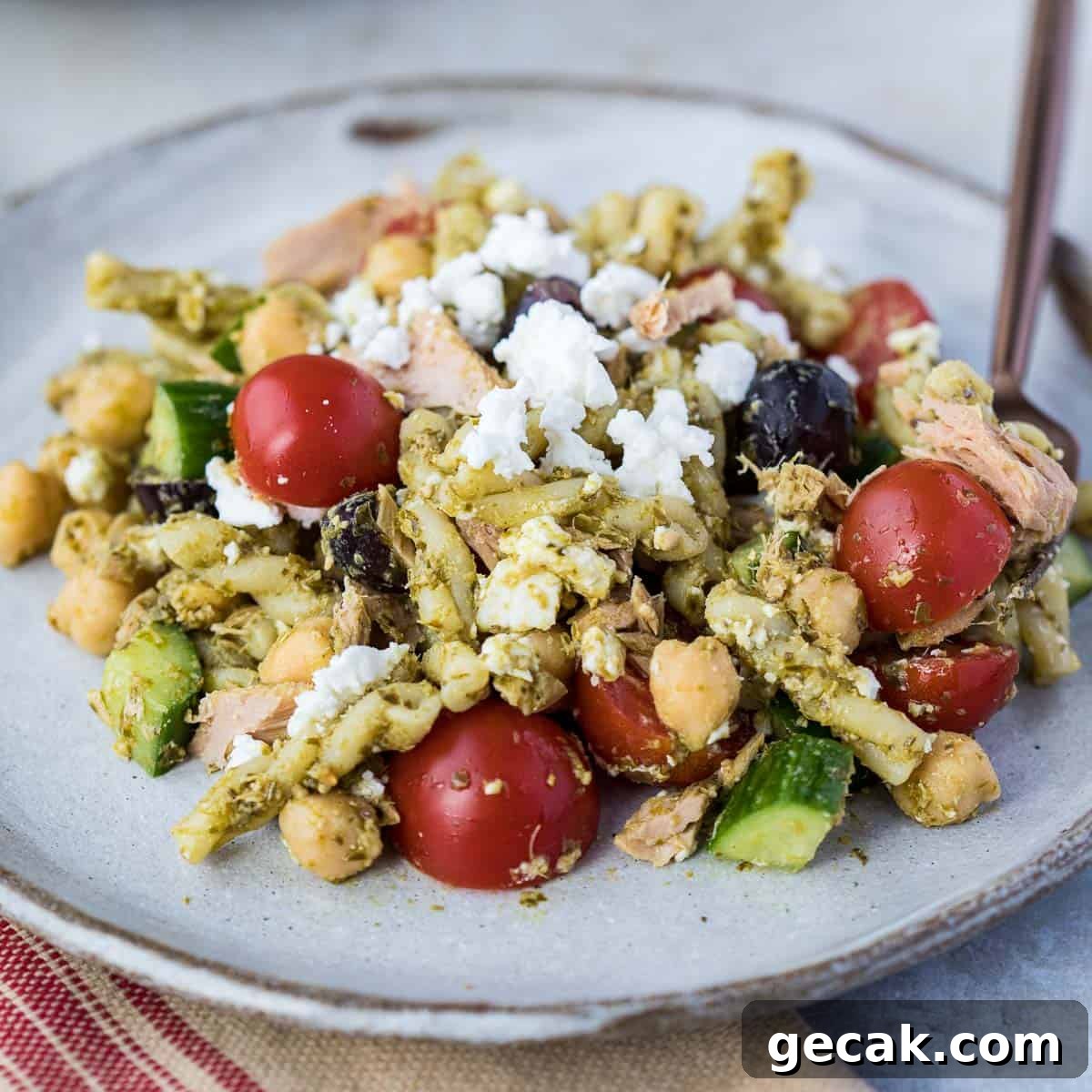
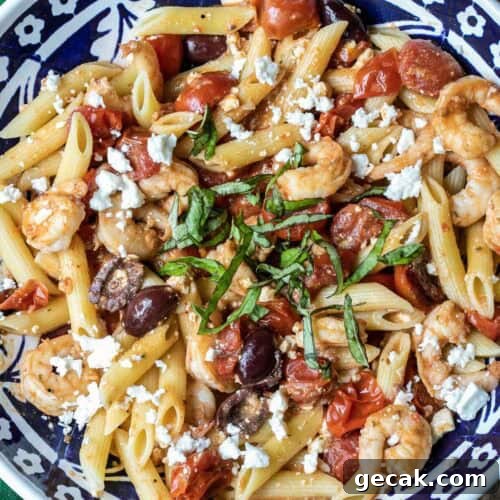
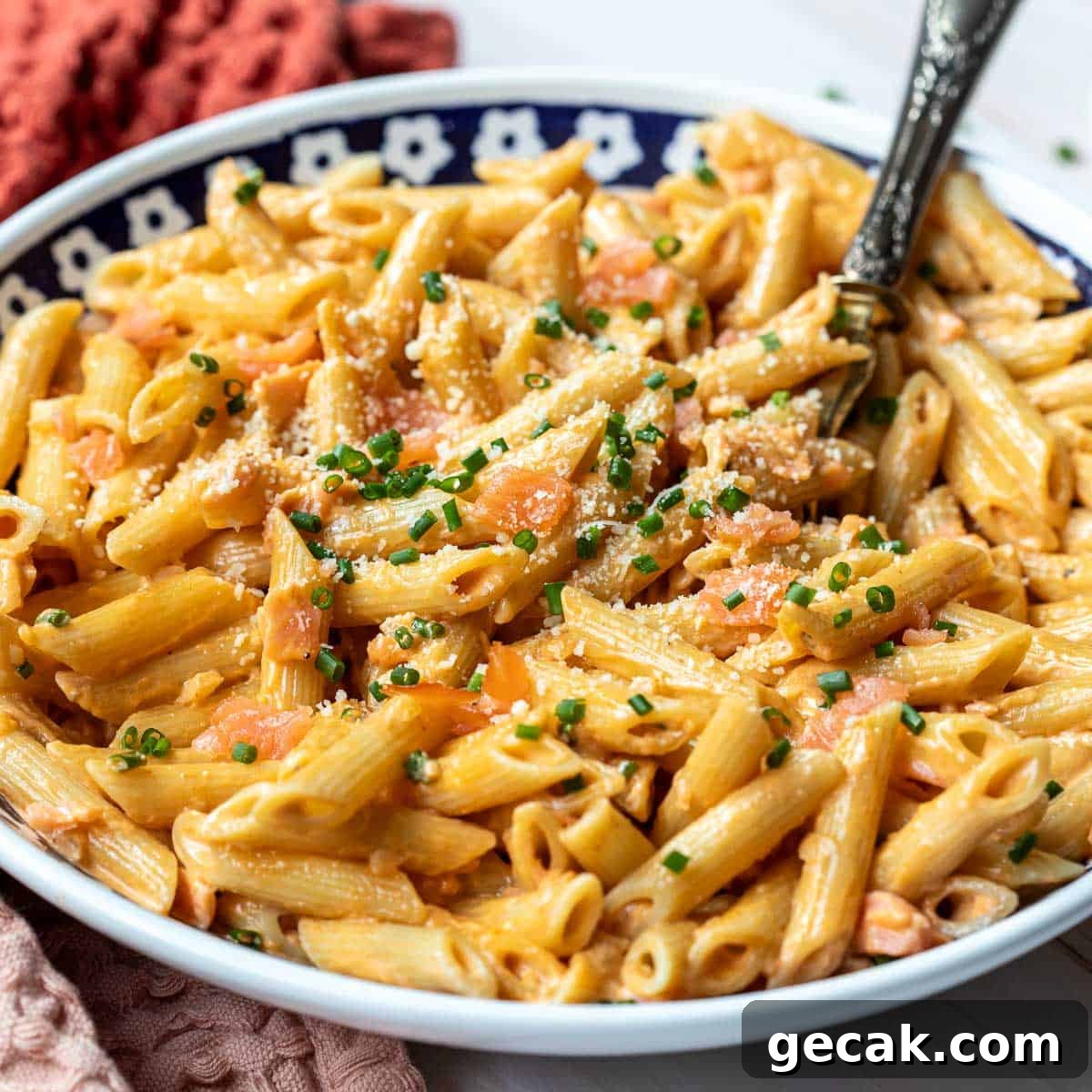
If you enjoy seafood with pasta, try smoked salmon and asparagus, tuna pesto, shrimp with tomatoes and feta, or penne al salmone with vodka for more inspiration.
 Smoked Salmon and Asparagus Pasta
-
Tuna Pesto Pasta
-
Shrimp Pasta with Tomatoes, Feta, and Olives
-
Penne al Salmone with Vodka
If you make this recipe, I’d love to hear how it turned out—please leave a rating or comment.
📖 Recipe
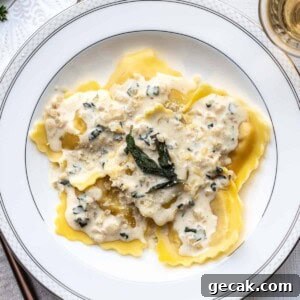
Lobster Ravioli Sauce
Chef Molly Pisula
A light, silky cream sauce balanced with sage, lemon, and Parmesan—designed to let lobster ravioli shine.
Ingredients
- 8 ounces lobster ravioli
- 1 shallot, finely chopped
- 1 tablespoon butter
- 1 ½ tablespoons chopped fresh sage, plus 6–8 whole leaves for garnish
- 1 tablespoon olive oil
- 2 tablespoons white wine
- ½ cup heavy cream
- ½ cup reserved pasta water
- 1–2 teaspoons lemon juice
- 1–2 tablespoons grated Parmesan
- ½ teaspoon kosher salt
- ¼ teaspoon white pepper
Instructions
- Peel and finely chop the shallot.
- Bring a large pot of salted water to a boil. Cook the ravioli according to package directions and reserve ½ cup pasta water before draining.
- In a 10-inch skillet, melt the butter over medium heat.
- Add whole sage leaves and fry until crisp, about 2 minutes. Transfer to paper towel and set aside.
- Add olive oil to the skillet. Sauté the chopped shallot and chopped sage over medium heat until lightly browned, about 2 minutes.
- Pour in the white wine and deglaze the pan; cook about 1 minute until mostly evaporated.
- Add the heavy cream and reserved pasta water. Stir in 1 teaspoon lemon juice, 1 tablespoon Parmesan, salt, and white pepper.
- Increase heat to medium-high and bring to a simmer, then reduce to medium and simmer 5 minutes until the sauce thickens slightly.
- Taste and adjust lemon, Parmesan, or salt to preference.
- Either plate the ravioli and spoon sauce over top, or add ravioli to the pan and toss gently to coat. Garnish with crisped sage and extra Parmesan.
Notes
Storage: Refrigerate leftovers in an airtight container for up to 3 days. Reheat gently and add a splash of cream or pasta water if needed.
Cooking tips: Crisp sage carefully to avoid burning, salt pasta water well, and add Parmesan gradually so the sauce remains smooth. Nutrition facts apply to the sauce only—ravioli will change totals.
Nutrition (per serving, sauce only)
- Calories: 358 kcal
- Carbohydrates: 6 g
- Protein: 4 g
- Fat: 35 g
- Saturated Fat: 19 g
- Sodium: 708 mg
Instagram Users: If you make this recipe, tag @vanillabeancuisine or use #vanillabeancuisine—I’d love to see your results!