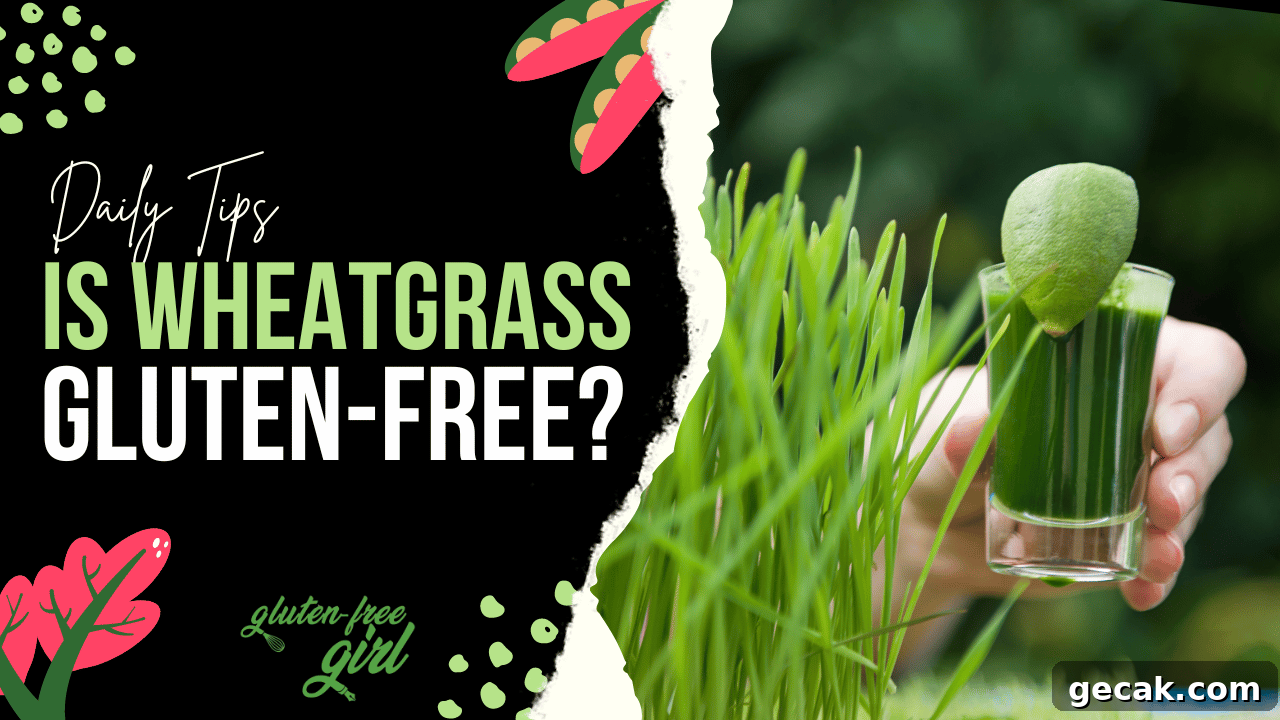
Yes, Wheatgrass is Gluten-Free. Wheatgrass is the young green shoot of the wheat plant (Triticum aestivum), harvested before the grain develops. Gluten is a protein found in the wheat kernel, not in the vegetative grass, so pure wheatgrass—whether fresh juice, powder, or supplements—is naturally gluten-free and generally safe for people with celiac disease or non‑celiac gluten sensitivity. Wheatgrass is a grass, not a nut or a grain product, so its role in diets is distinct from nut- or grain-based foods.
Knowing the nutritional profile of wheatgrass helps explain why many choose it in gluten-free diets. Wheatgrass is rich in vitamins, minerals, antioxidants, and chlorophyll and is often valued for potential anti‑inflammatory and antioxidant effects. For people with celiac disease—an autoimmune condition triggered by gluten—adding nutritionally dense, uncontaminated foods such as wheatgrass can be helpful while maintaining a strict gluten‑free regimen to allow intestinal healing and symptom reduction.
Wheatgrass is commonly used in health-focused eating patterns like raw food or alkaline-inspired diets, which emphasize whole, minimally processed foods. It is typically consumed as juice, added to smoothies, or used as a powder supplement to boost nutrient intake and complement a gluten-free lifestyle.
As a plant product harvested at an early growth stage, wheatgrass does not contain the gluten proteins that appear later in the wheat grain. That natural absence of gluten makes it a popular addition to gluten-free meal plans when handled and processed safely.
Can a Patient with Celiac Eat Food that has Wheatgrass Ingredients?
Yes—provided the wheatgrass is pure and free from cross-contamination. Because wheatgrass is cut before the wheat seed forms, it does not inherently contain gluten. The main concern is contamination during growing, harvesting, processing, or packaging. Wheatgrass grown next to mature wheat fields, processed in facilities that handle wheat, or mixed with gluten-containing ingredients can pick up gluten. For these reasons, people with celiac disease should choose certified gluten-free products or verify sourcing and processing practices and consult a healthcare professional or dietitian if unsure.
Gluten triggers an immune response in people with celiac disease that damages the small intestine and impairs nutrient absorption. Strict avoidance of gluten is required for management, so confirming that any wheatgrass ingredient is uncontaminated is essential.
What Gluten-Free Recipes Can You Cook with Wheatgrass?
Here are some gluten-free recipe ideas that use wheatgrass:
- Wheatgrass Smoothie: Blend fresh or powdered wheatgrass with fruits, leafy greens, and a gluten-free milk alternative for a nutrient-packed beverage.
- Wheatgrass Juice Shot: A concentrated shot of fresh wheatgrass juice for a quick nutrient boost.
- Wheatgrass Salad Dressing: Add wheatgrass juice or powder to vinaigrettes for color and an herbal note.
- Wheatgrass and Fruit Popsicles: Combine wheatgrass juice with blended fruit and freeze for a refreshing, naturally green treat.
- Wheatgrass-Infused Gluten-Free Pasta: Add wheatgrass powder to gluten-free doughs made from rice, almond, or other gluten-free flours.
- Wheatgrass Energy Bars: Mix wheatgrass powder with nuts, seeds, dried fruits, and a gluten-free binder like honey or nut butter.
How are Wheatgrass Gluten-Free?
Wheatgrass is gluten-free because it is harvested before the wheat plant develops gluten-containing seeds. Gluten proteins are located in the grain, not in the young leaves and shoots. Whether consumed as fresh juice, dried powder, or as a supplement, pure wheatgrass does not contain gluten. This natural characteristic makes it suitable for gluten-free diets, but attention to processing and cross-contamination remains important for people with celiac disease or severe sensitivities.
Wheatgrass is harvested at an early growth stage, usually within days of germination, and is prized for its high concentration of vitamins, minerals, enzymes, and chlorophyll. It is commonly consumed as juice or dried into powder for supplements. While related to wheat botanically, wheatgrass lacks the gluten present in mature wheat grains, so it is a useful option in gluten-free dietary plans when handled correctly.
Is WheatGrass the Same as Wheat that is Gluten-Free?
No. Wheatgrass and processed gluten-reduced wheat products are not the same. Wheatgrass is the young, pre-seed shoot of the wheat plant and is naturally gluten-free. “Gluten-free wheat” or gluten-removed wheat products refer to processed items where gluten has been reduced or removed from mature wheat; these products may still contain trace gluten and are processed to meet regulatory limits. People with celiac disease should be cautious with any product derived from mature wheat even if labeled low‑gluten and generally prefer clearly certified gluten-free alternatives.
Are Wheatgrass Supplements Gluten Free?
Generally, yes. Most wheatgrass supplements—powders, capsules, and liquids—are made from the grass harvested before seed formation and are naturally gluten-free. However, cross-contamination during cultivation, processing, or packaging can introduce gluten. For those with celiac disease or high sensitivity, choosing products with official gluten-free certification or clear sourcing and processing information is recommended. Certification typically ensures gluten levels below 20 ppm, the common regulatory threshold for gluten-free labeling.
How do you keep Wheatgrass Dishes Gluten-Free?
To keep wheatgrass dishes gluten-free, follow these guidelines:
- Verify the source: Buy wheatgrass products labeled gluten-free or from trusted suppliers who harvest before seed formation and avoid shared facilities.
- Prevent cross-contamination: Ensure wheatgrass is not grown, processed, or packaged where wheat or other gluten grains are handled.
- Read labels: Check ingredient lists for gluten-containing additives or allergen warnings.
- Use gluten-free ingredients: Confirm that all other recipe components—flours, sauces, thickeners—are gluten-free.
- Keep utensils and surfaces separate: Use dedicated cutting boards, utensils, and appliances for gluten-free preparation.
- Clean thoroughly: Wash surfaces and tools that previously contacted gluten-containing foods before use.
- Inform food handlers: Make sure anyone preparing the food understands gluten risks and cross-contamination prevention.
- Avoid bulk bins: Buy sealed packages rather than loose ingredients to reduce contamination risk.
- Communicate with restaurants: When dining out, confirm preparation methods and cross-contamination controls.
Does Wheatgrass Soda Have Gluten?
Pure wheatgrass soda made from wheatgrass juice or powder should be gluten-free, since gluten is not present in the grass. However, processing and bottling in facilities that handle gluten-containing products can cause cross-contamination. People with celiac disease or gluten sensitivity should look for gluten-free labeling or verify manufacturing practices to ensure safety.
Are Wheatgrass Cocktails Gluten-Free?
Wheatgrass itself is gluten-free and will not add gluten to a drink. For a cocktail to be truly gluten-free, every component—including spirits, mixers, and garnishes—must be gluten-free and free from cross-contamination. Many distilled spirits are gluten-free, but some flavored beverages and mixers may contain gluten, so confirm labels or contact manufacturers when necessary. Also be mindful of bar practices and shared equipment that could introduce contamination.
How can Wheatgrass Contain Gluten?
Wheatgrass can become contaminated with gluten in several ways:
- Harvesting too late, after the plant has begun forming seed, could introduce gluten-containing material.
- Processing or packaging in facilities that also handle wheat or other gluten grains can cause cross-contamination via shared equipment or airborne particles.
- Growing wheatgrass adjacent to mature wheat fields can introduce soil or airborne contamination.
- Adding fillers, binders, or flavorings that contain gluten to wheatgrass supplements or products.
- Using shared machinery at juice bars or production sites where gluten-containing items are processed.
How Can You Prevent Gluten Cross-Contamination in Dishes Using Wheatgrass?
Prevent cross-contamination by enforcing strict kitchen practices: use dedicated utensils and cutting boards, clean all surfaces and tools thoroughly after contact with gluten, store gluten-free ingredients separately, and check that all packaged components are certified gluten-free. When ordering prepared foods, communicate the need for gluten-free handling and verify that the facility follows safe practices for people with celiac disease or severe sensitivities.
Are Wheatgrass Desserts Gluten-Free?
Wheatgrass itself is gluten-free and can be used in desserts, but the dessert’s overall gluten-free status depends on all ingredients and handling. Desserts like wheatgrass ice cream, wheatgrass energy bars, or wheatgrass mousse can be gluten-free when made with gluten-free bases such as coconut or almond milk, gluten-free thickeners (e.g., agar-agar), and certified gluten-free flavorings. In commercial products, cross-contamination during processing is the main risk, so look for gluten-free labels or confirmation from the manufacturer.
Are Bread Made from Wheatgrass Gluten-Free?
Wheatgrass cannot be milled into traditional baking flour, so “bread made from wheatgrass” in the sense of replacing wheat flour is not possible. Bread that includes wheatgrass powder as an additive can be gluten-free if the primary flours are gluten-free (rice, almond, coconut, etc.) and all ingredients are free from gluten. Wheatgrass added to gluten-free bread recipes enhances nutrition but does not serve as a flour substitute.
Are Cakes Made from Wheatgrass Gluten-Free?
Cakes that include wheatgrass juice or powder can be gluten-free when prepared with gluten-free flours and ingredients. Examples include gluten-free wheatgrass chocolate cake or almond flour pound cake with wheatgrass. The key is ensuring every ingredient—from flour to baking powder, flavorings, and decorations—is gluten-free and that cross-contamination is avoided during preparation.
Are All Wheatgrass Food Products Gluten-Free?
No. Pure wheatgrass is naturally gluten-free, but some commercially prepared wheatgrass products can be contaminated or contain gluten-containing additives. Cross-contamination during growing, processing, or manufacturing and the inclusion of gluten ingredients in formulations are the main concerns. People with celiac disease should look for certified gluten-free labeling or verify product sourcing and processing details.
Are Wheatgrass Tea Gluten-Free?
Pure wheatgrass tea—made from dried or powdered wheatgrass—is naturally gluten-free. As with other wheatgrass products, the main risk is cross-contamination during processing or packaging or the inclusion of gluten-containing blend ingredients. Choosing certified gluten-free tea products or confirming ingredient lists helps ensure safety.
Are Wheatgrass Candies Gluten-Free?
Wheatgrass candies can be gluten-free if all ingredients and processing methods are free from gluten and cross-contamination. Some confections incorporate wheatgrass powder with gluten-free sweeteners, gelling agents, and chocolate. Always check labels for gluten-free certification and verify that the facility does not process gluten-containing items if you have celiac disease or high sensitivity.