Today we share 10 Must-Have Ingredients For a Gluten-Free Pantry. If you are new to gluten-free living, this guide will help you begin cooking with confidence. Going gluten-free can feel overwhelming at first, but with these ten essentials stocked in your pantry, gluten-free cooking becomes simpler and more enjoyable.
Where do you start? If you love muffins, sandwiches, pizza, pasta and desserts, you might worry those favourites are off limits. You can buy many prepared gluten-free comfort foods, but they are often expensive and high in sugar, salt and refined starches.
Home cooking wins on freshness, texture and flavour. With a few pantry staples and a little creativity, you can recreate the comfort foods you miss while controlling ingredients and nutrition.
Stocking these must-have items makes it easy to adapt favourite recipes and to experiment with new ones. Once your pantry is set, you’ll be surprised how quickly you master gluten-free baking and cooking.
This includes favourites such as pizza and pasta, muffins and breads, Southern fried chicken and a wide range of desserts — all possible with the right ingredients on hand.
Top 10 Ingredients Essential for a Gluten-Free Pantry
All-purpose gluten-free flour blend
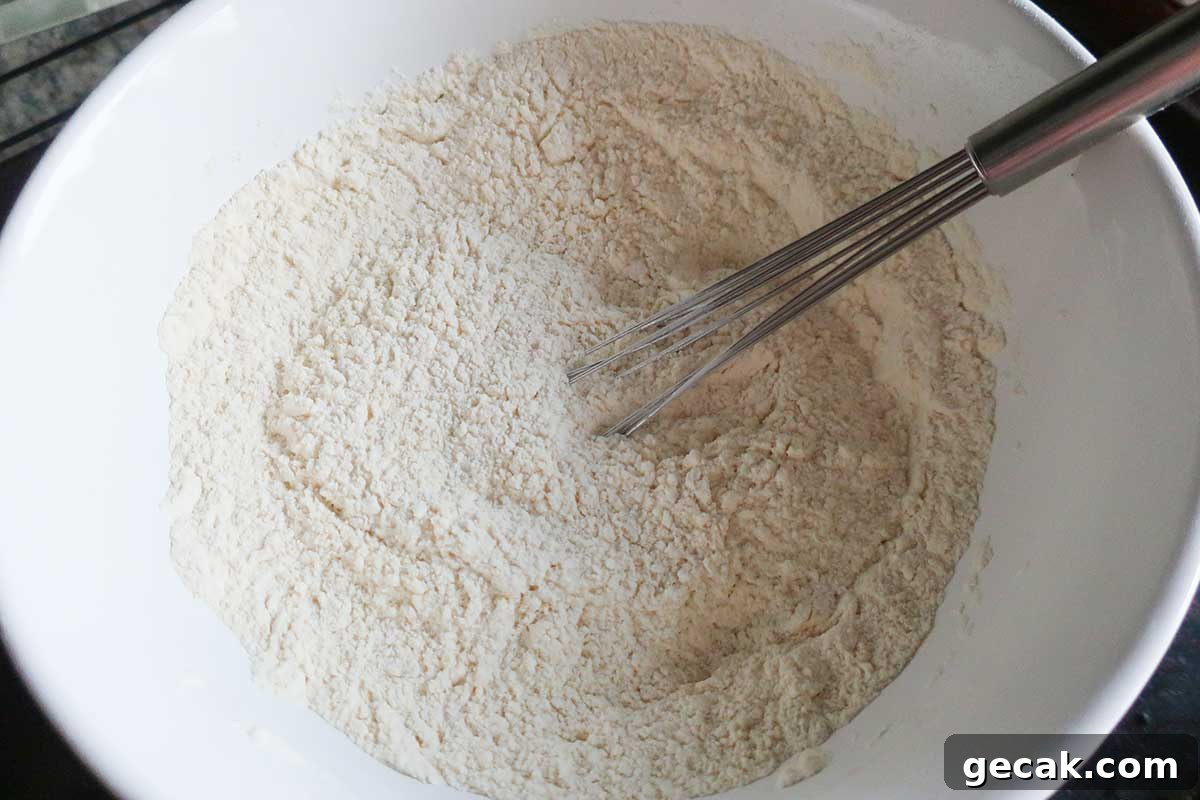
An all-purpose gluten-free flour blend is the first pantry item to buy. It simplifies baking because it can often be substituted for wheat flour in many recipes. Check the label: some blends include xanthan gum, so if a recipe calls for xanthan gum you may not need to add more.
Note: all-purpose gluten-free flour isn’t the best thickener for gravies and sauces; starches like arrowroot or tapioca work better for that purpose. If you prefer, you can make your own blend to suit your recipes.
Almond flour
Almond flour adds moisture and a gentle nutty flavour to baked goods. It’s also useful as a binder in meatballs or meatloaf instead of breadcrumbs. Almond flour is nutritious and higher in protein than many grain-based flours, making it a versatile and valuable pantry item.
Starches
Starches are excellent thickeners for sauces and gravies and are commonly used in gluten-free baking. Common options include tapioca starch (tapioca flour), arrowroot starch (arrowroot flour), potato starch (not potato flour) and cornstarch. Many cooks now prefer arrowroot or tapioca over cornstarch due to concerns about genetic modification and dietary restrictions like paleo.
Xanthan gum
Xanthan gum helps provide the elastic, bouncy texture that gluten contributes to baked goods. If your chosen all-purpose blend does not include it, keep xanthan gum on hand and use it as the recipe indicates to improve texture and structure.
Gluten-free noodles
Gluten-free noodles are a pantry staple for both Italian and Asian dishes. Rice noodles are versatile and tend not to become mushy, making them great for many ethnic recipes. Buckwheat noodles are a healthy option but can be more expensive. For Italian-style dishes, rice pasta or rice-and-quinoa blends work well.
Gluten-free rice
Rice is a foundation of many gluten-free meals, but not all rice products are guaranteed gluten-free due to possible cross-contamination. Look for rice labeled gluten-free or purchase rice packaged in countries where processing standards are clear. Basmati and other Indian rice varieties often yield excellent results in pilafs, fried rice and puddings.
Keep a few rice varieties on hand: white, brown and a long-grain like basmati provide options for different dishes.
Spices
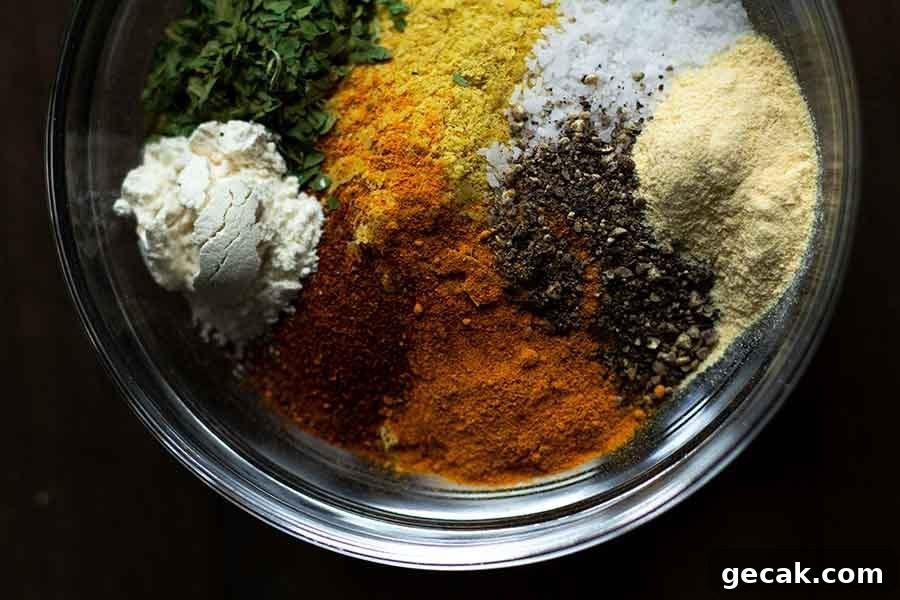
Most pure spices are inherently gluten-free, but cross-contamination can occur during processing. Choose organic or certified gluten-free spices when possible to reduce risk and enjoy better flavour. A well-stocked selection of herbs and spices elevates simple gluten-free meals.
Gluten-free chicken stock
Chicken stock is used in soups, stews, casseroles, gravies and sauces. While homemade stock is ideal, a good-quality store-bought gluten-free stock saves time. Look for low-sodium or no-salt-added options to better control seasoning in your dishes.
Gluten-free tamari sauce
Pure tamari is a gluten-free alternative to soy sauce and is essential for Asian cooking and marinades. It also adds depth to vinaigrettes and sauces. Keep tamari on hand if you regularly prepare ethnic recipes or want a robust, savoury seasoning.
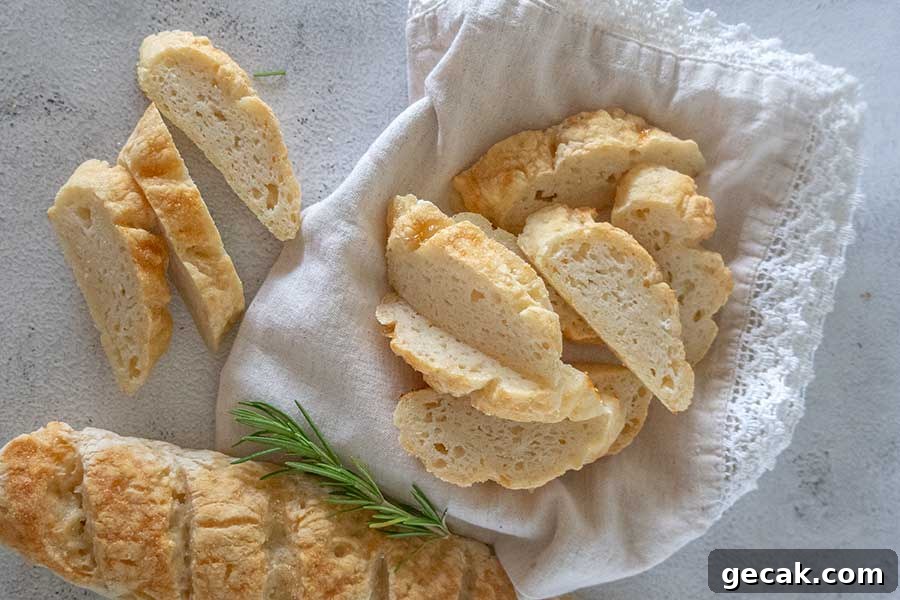
Gluten-free bread
Gluten-free bread selection continues to improve. Find one or two brands you enjoy and keep extra loaves in the freezer. Bread is handy for sandwiches, French toast, garlic bread or to make breadcrumbs. Store-bought gluten-free loaves can be pricey, so having recipes you can make at home is useful.
Once you stock these 10 essentials, gluten-free cooking becomes far more manageable
Beyond these staples, add fresh fruits and vegetables, healthy fats, seeds, nuts, natural sweeteners and quality proteins — most of which are naturally gluten-free. Always read labels carefully: even naturally gluten-free ingredients can be cross-contaminated during processing. Look for packaging that confirms the product has not been processed in a facility that handles wheat.
If you are accidentally exposed to gluten, there are steps you can take to recover more quickly; consult trusted guidance or a healthcare professional for personalized advice.
Favorite homemade flour blend (makes about 9 cups)
- 1 1/2 cups sweet sorghum flour
- 1 1/2 cups white rice flour
- 3 cups arrowroot starch
- 3 cups tapioca starch
- 3 tablespoons potato flour (not potato starch)
Whisk all flours together in a large bowl until well combined. Store the blend in the freezer for up to six months.
10 Essential Ingredients for a Gluten-Free Pantry
These pantry staples will help you transition smoothly to gluten-free cooking and create a wide range of satisfying meals. With a few key ingredients and fresh produce, you can prepare nourishing, delicious food without gluten.