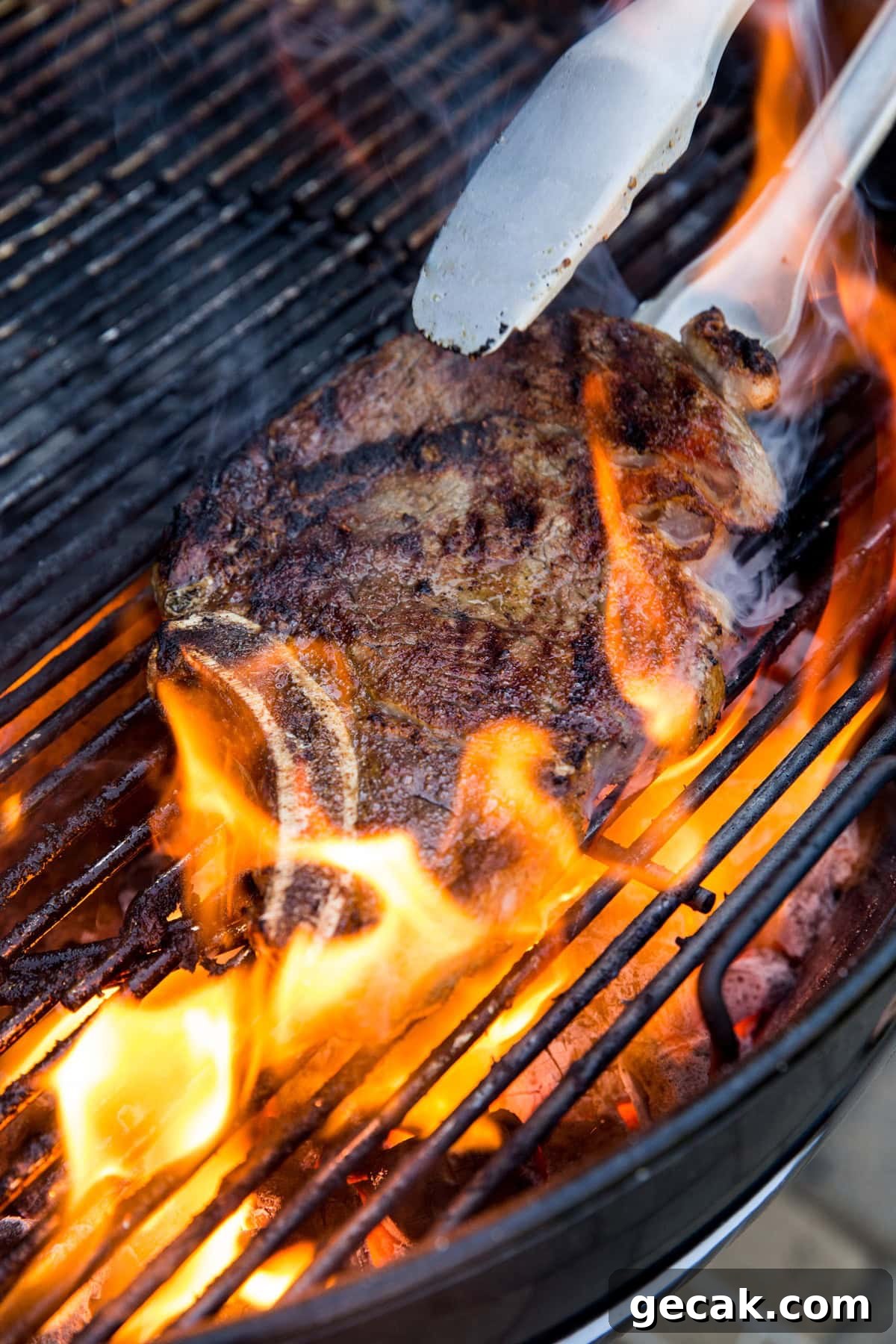
The BEST grilled steak recipe to elevate your BBQ game this season. Everything you need to know to grill a perfect steak is here—simple steps, reliable timing, and tips for juicy, flavorful results.
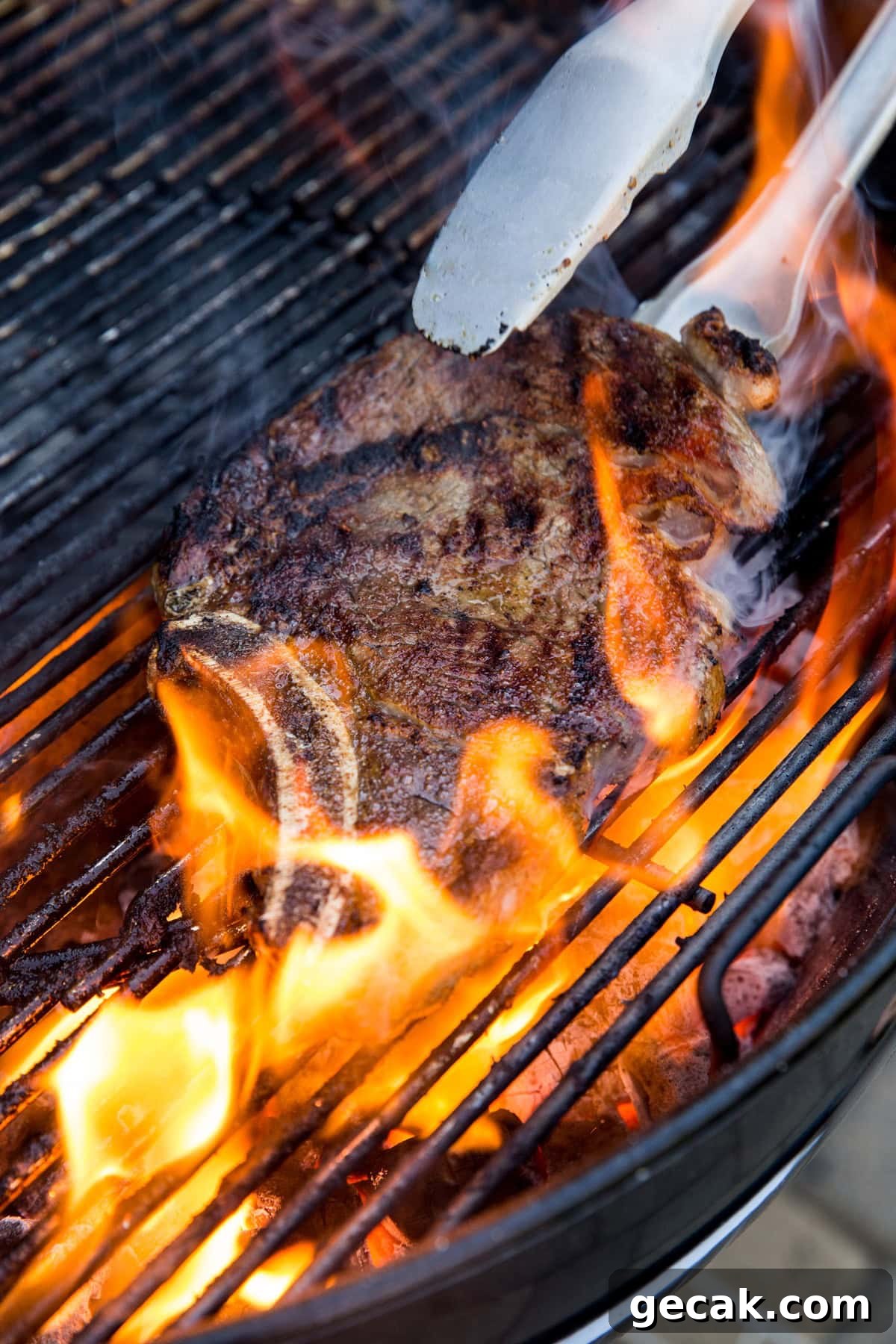
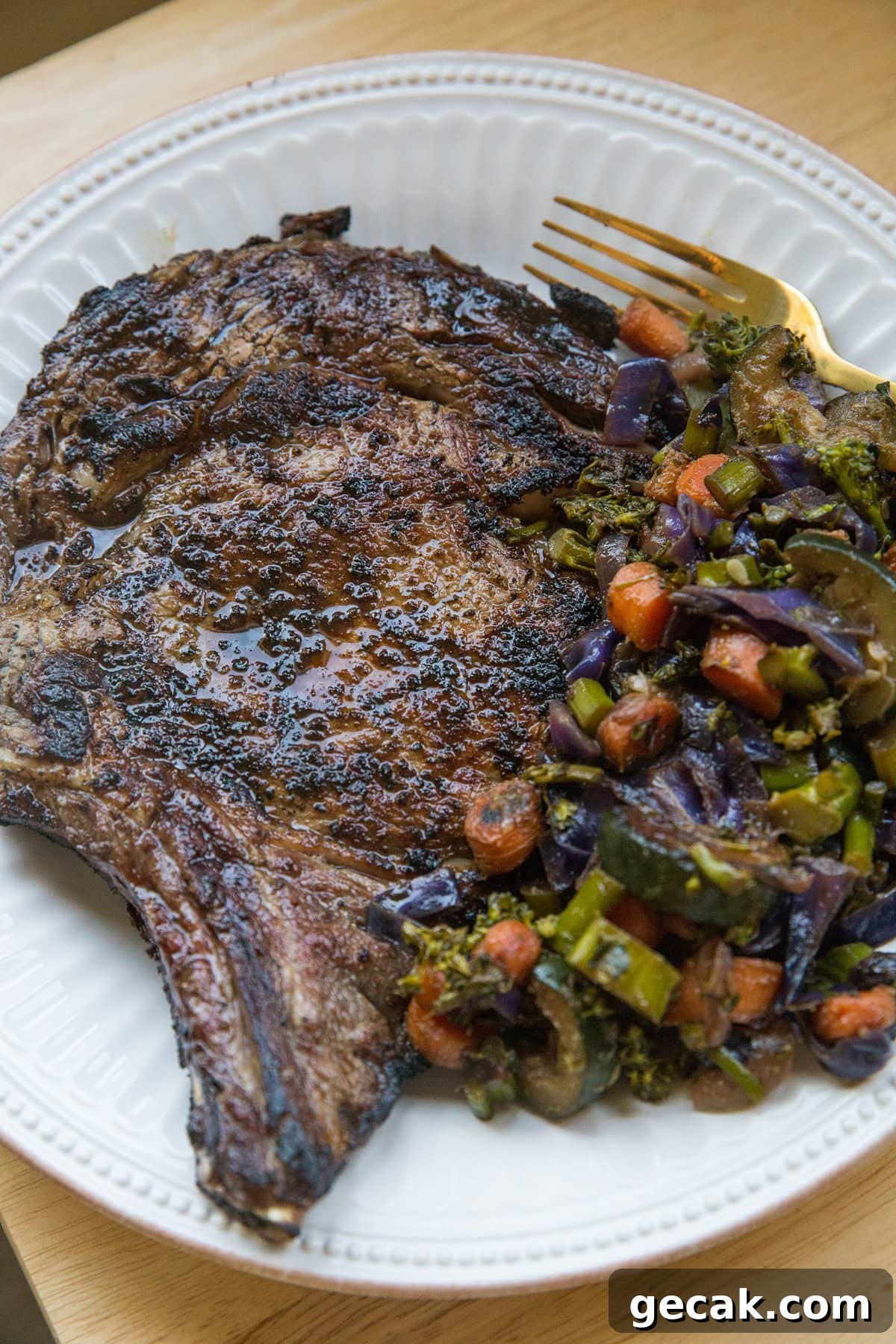
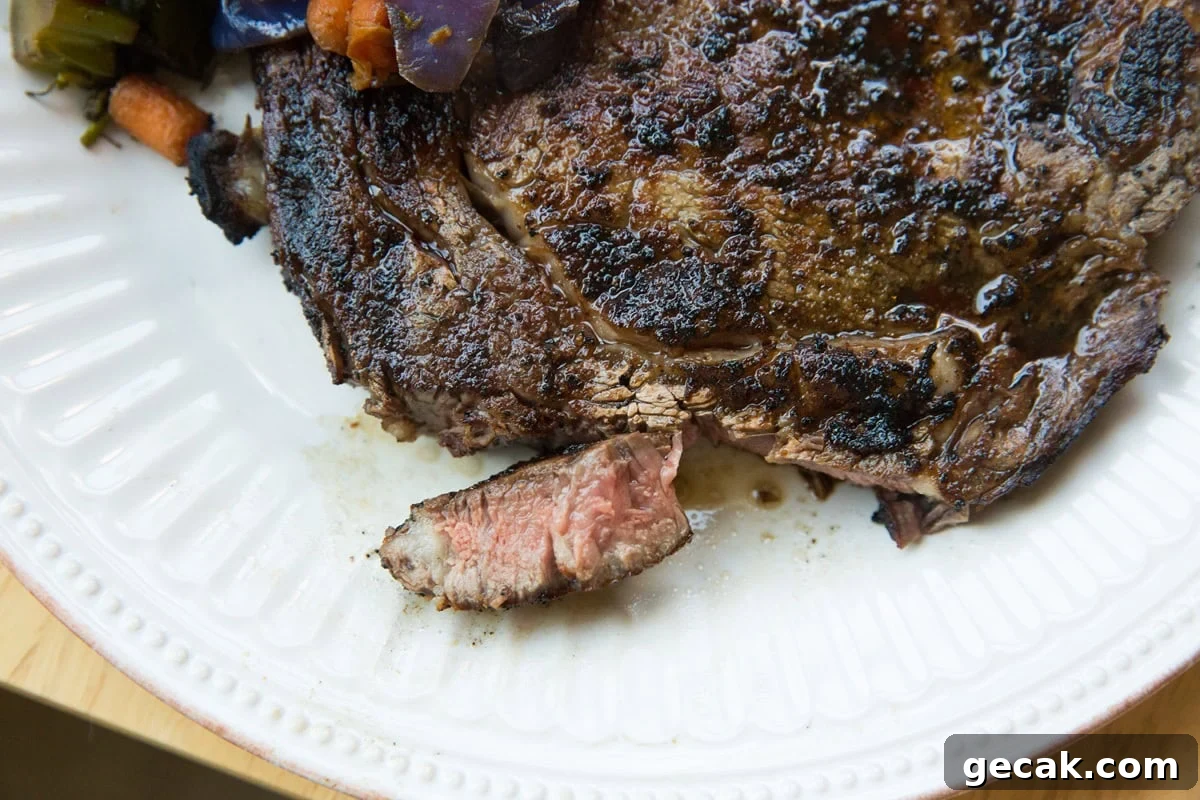
There’s something irresistible about deep, crispy grill marks and a tender interior with buttery, rendered fat. If you want a reliably tender, well-charred steak every time, keep reading.
With a few straightforward techniques you’ll avoid overcooking or ending up with a tough steak. Once you master them, people will ask for your cooking tips.
Top tips to remember: dry brine the steak ahead of time, and use a wireless meat thermometer when grilling.
Let’s dive into the process.
Step 1: Dry Brine Steak
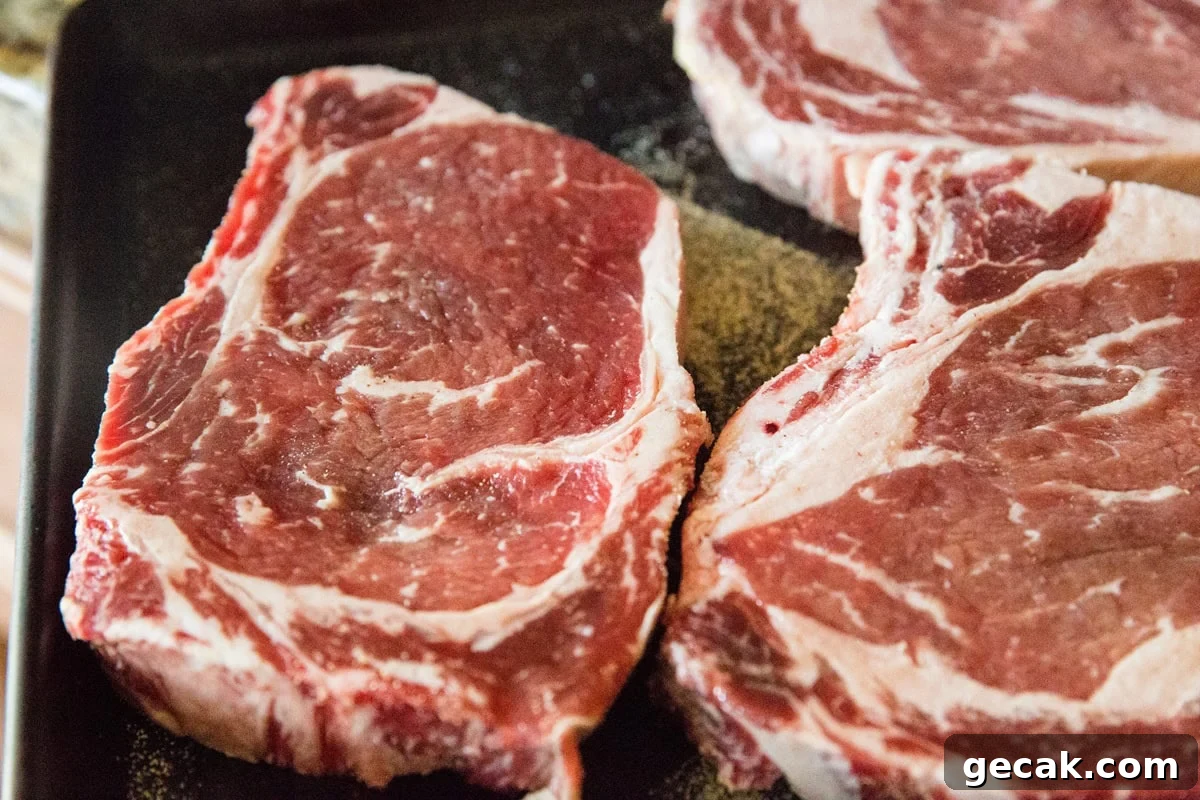
Dry brining is easier than it sounds: sprinkle coarse sea salt on both sides and the edges of the steak, then let it rest uncovered in the refrigerator. This draws moisture out, then redistributes it, seasoning the meat from the inside and improving texture.
Leave the steak uncovered for at least 1 hour; ideally 12–24 hours. Six hours is often enough to produce a noticeably tender, flavorful result, but overnight is best if you can.
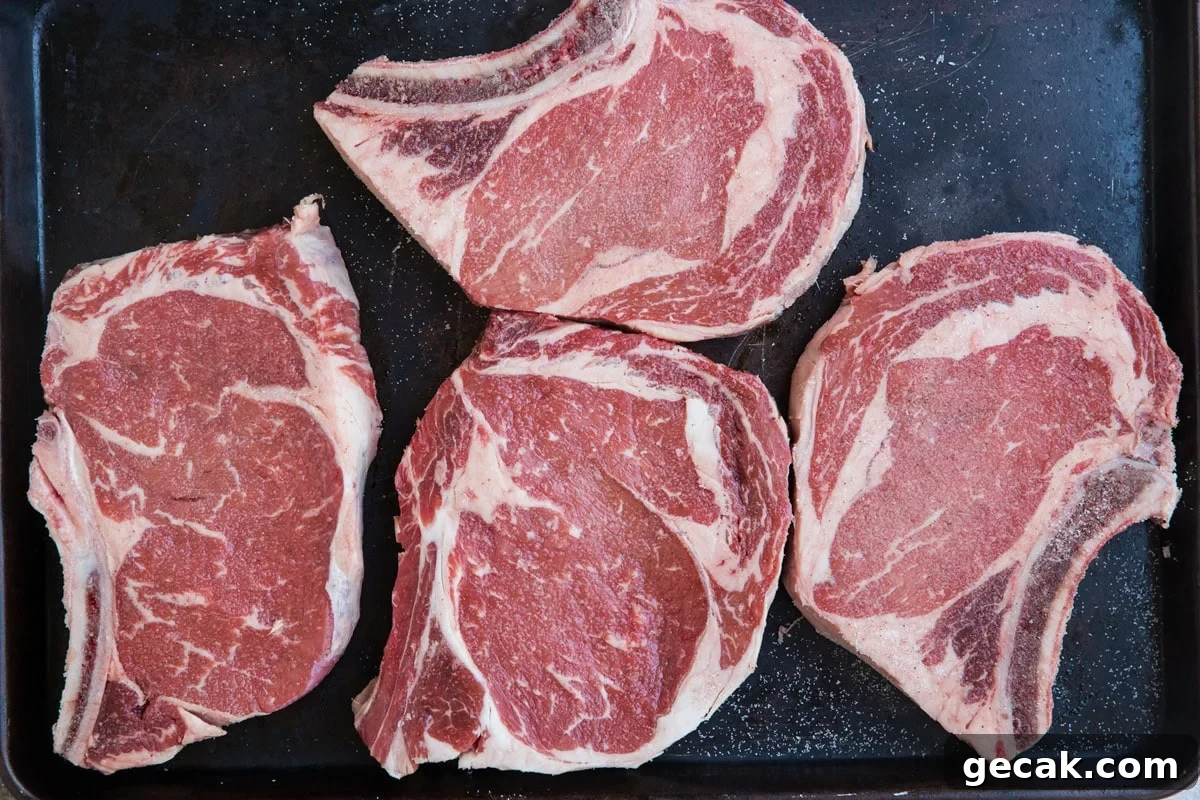
Use coarse sea salt or Himalayan salt for the best effect. Dry brining especially helps with larger, thicker cuts, concentrating flavor and improving juiciness.
Step 2: Grill Steak
After dry brining, remove steaks from packaging and pat dry. Place them on a plate or baking sheet and salt both sides and the edges. Refrigerate uncovered for at least one hour (up to 24).
When ready to cook, preheat a gas grill to 500°F. For charcoal, light coals in a chimney and arrange them to create both direct and indirect heat zones.
Clean the grates with a wire brush. If possible, let steaks sit at room temperature for about 20 minutes before grilling to improve even cooking.
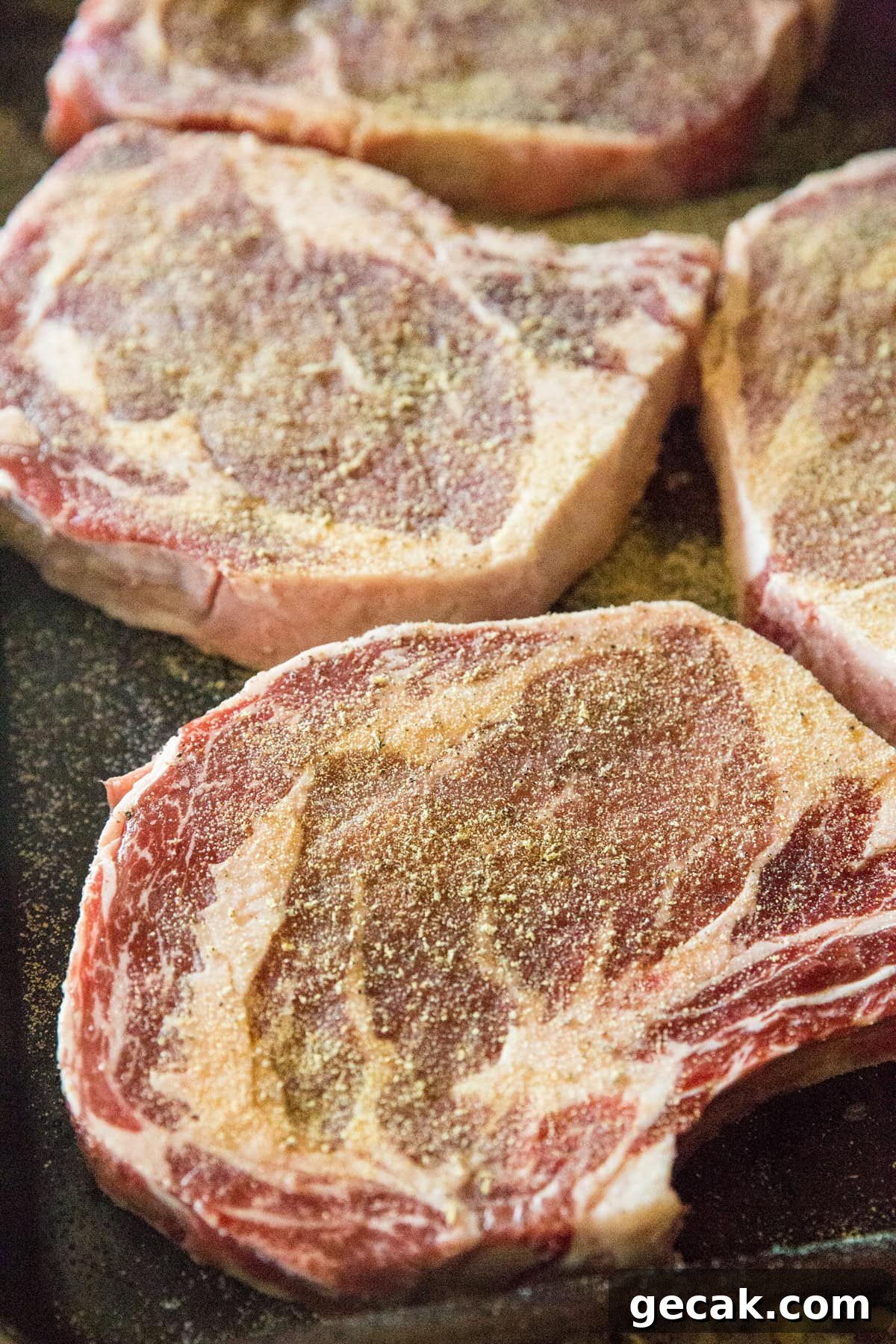
Season both sides with garlic powder and black pepper just before placing on the grill.
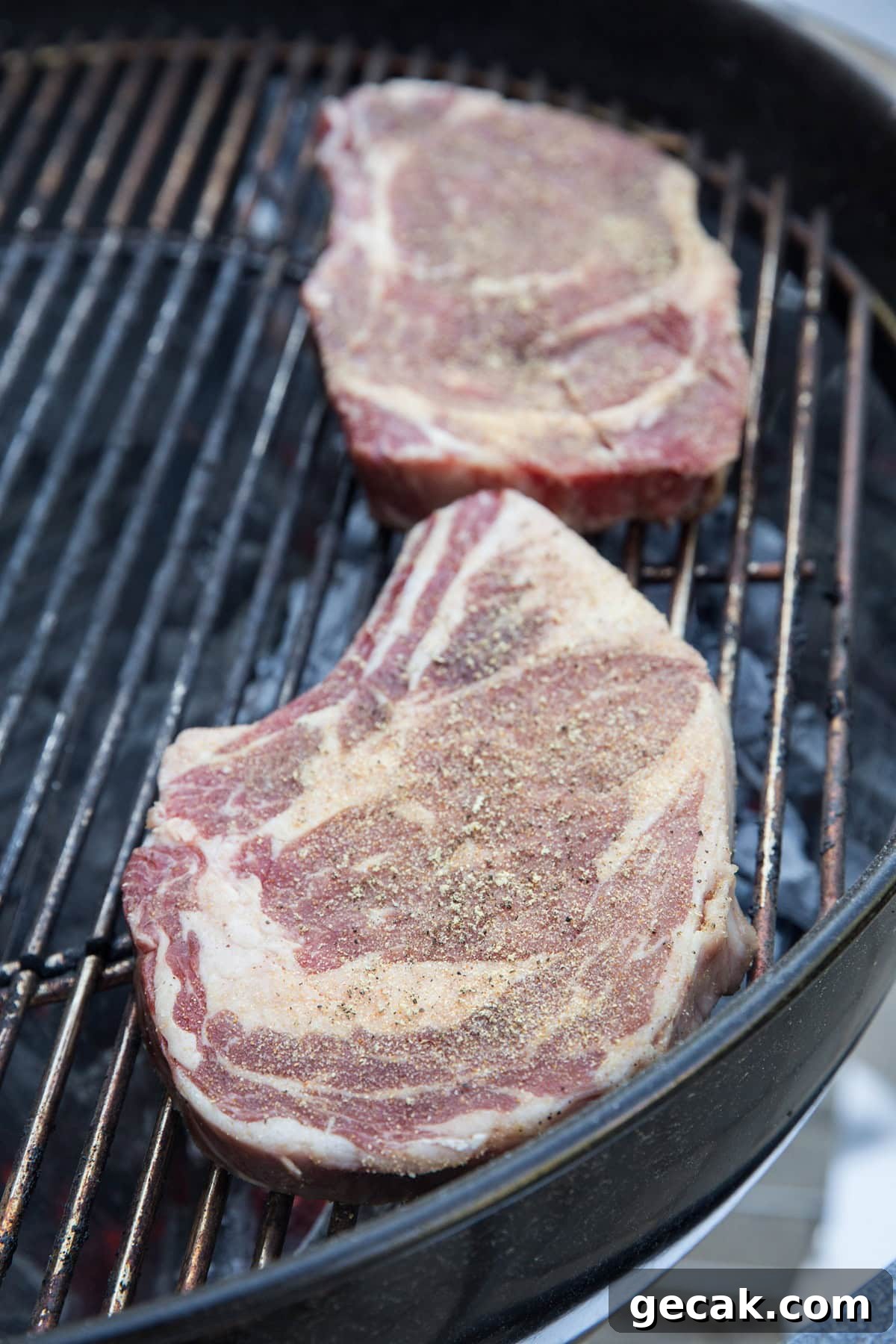
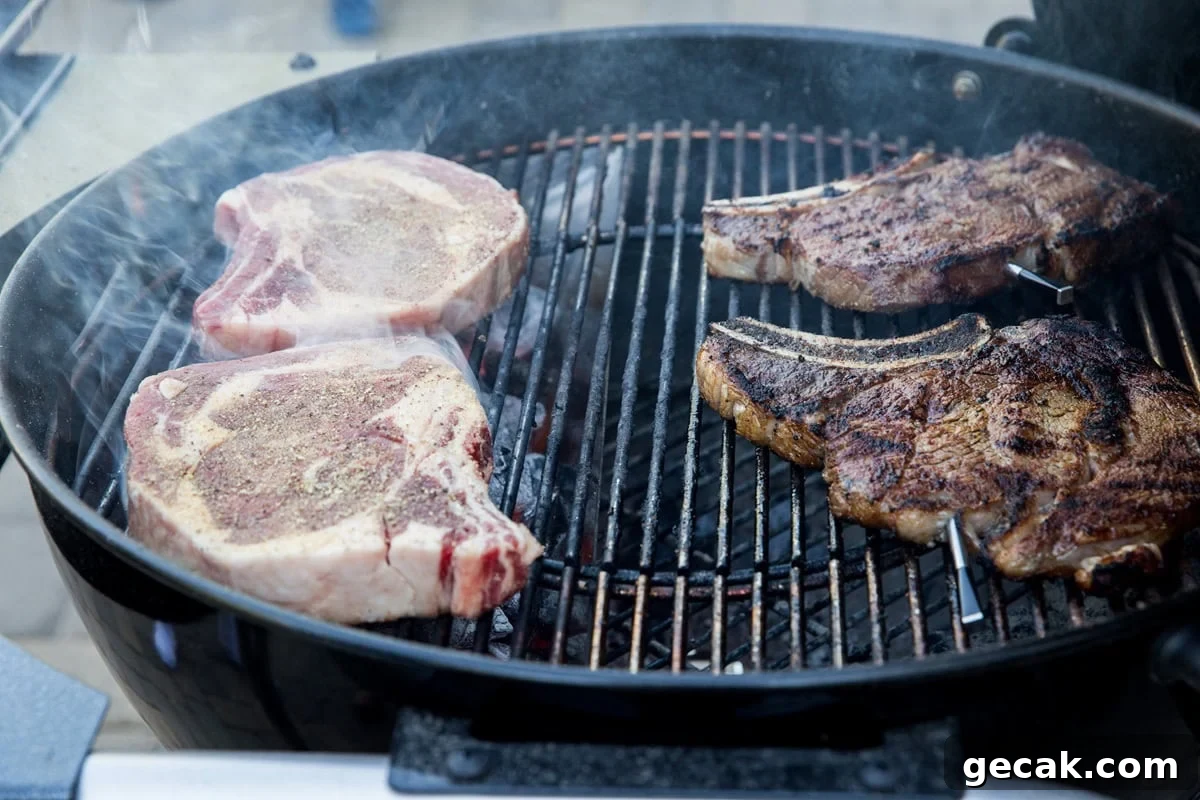
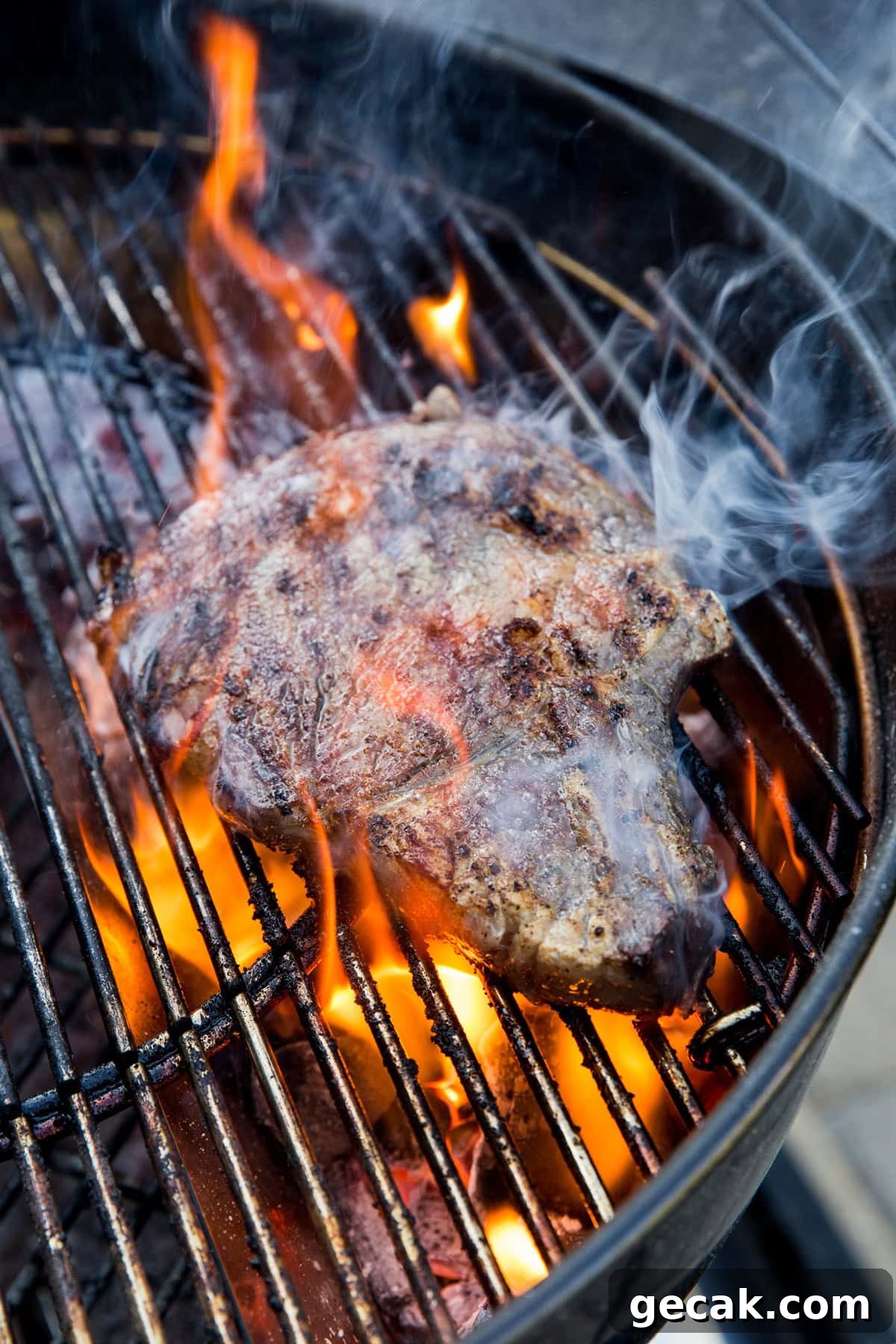
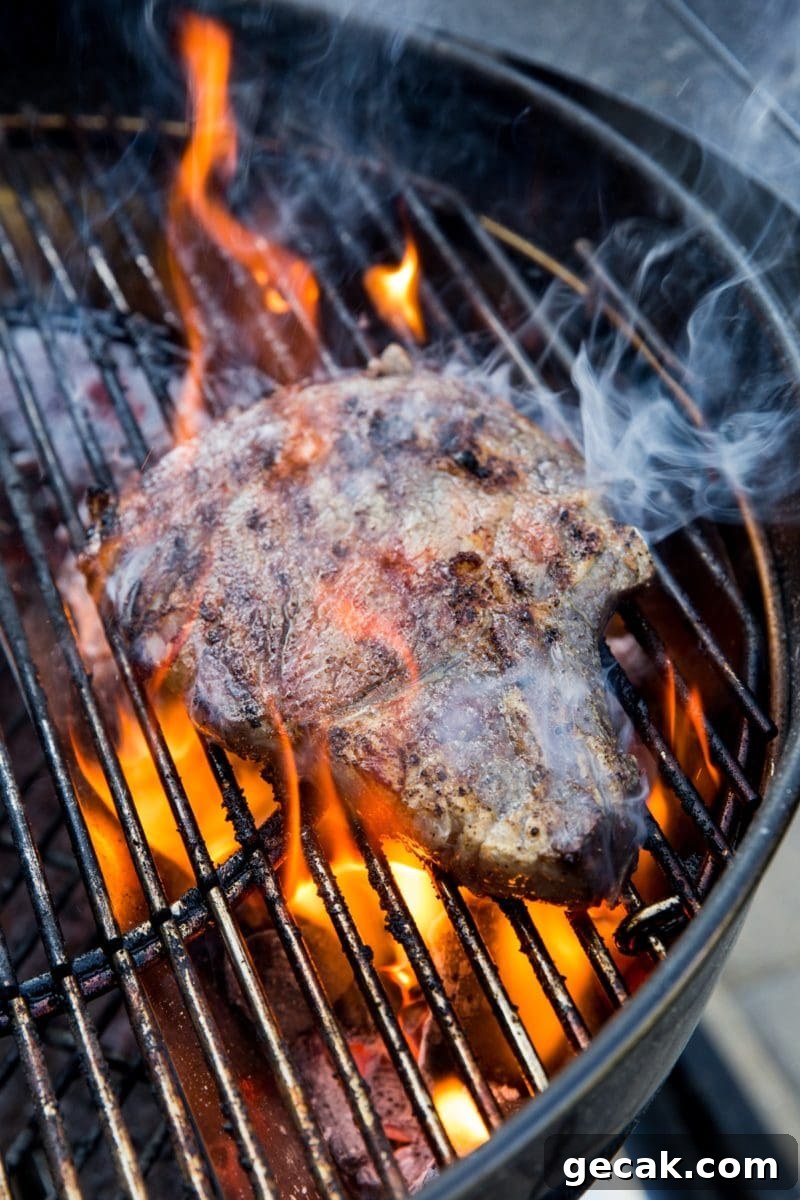
Place steaks over direct heat to sear. Sear 2–3 minutes per side until a rich char develops. Avoid prolonged flare-ups which can burn the crust; aim for golden-brown charring rather than blackened spots.
If fat renders and flames flare up, move the steak briefly away from the flames and continue cooking. After searing, transfer the steak to the cooler side (indirect heat) to finish to desired doneness.
Use a wireless thermometer to monitor internal temperature. Target 125–130°F for medium-rare, 135–140°F for medium. Remove steaks a few degrees below your target because the meat continues to cook while resting.
Let steaks rest at least 10 minutes before slicing so juices redistribute and the meat stays juicy. Store leftovers in an airtight container for up to five days.
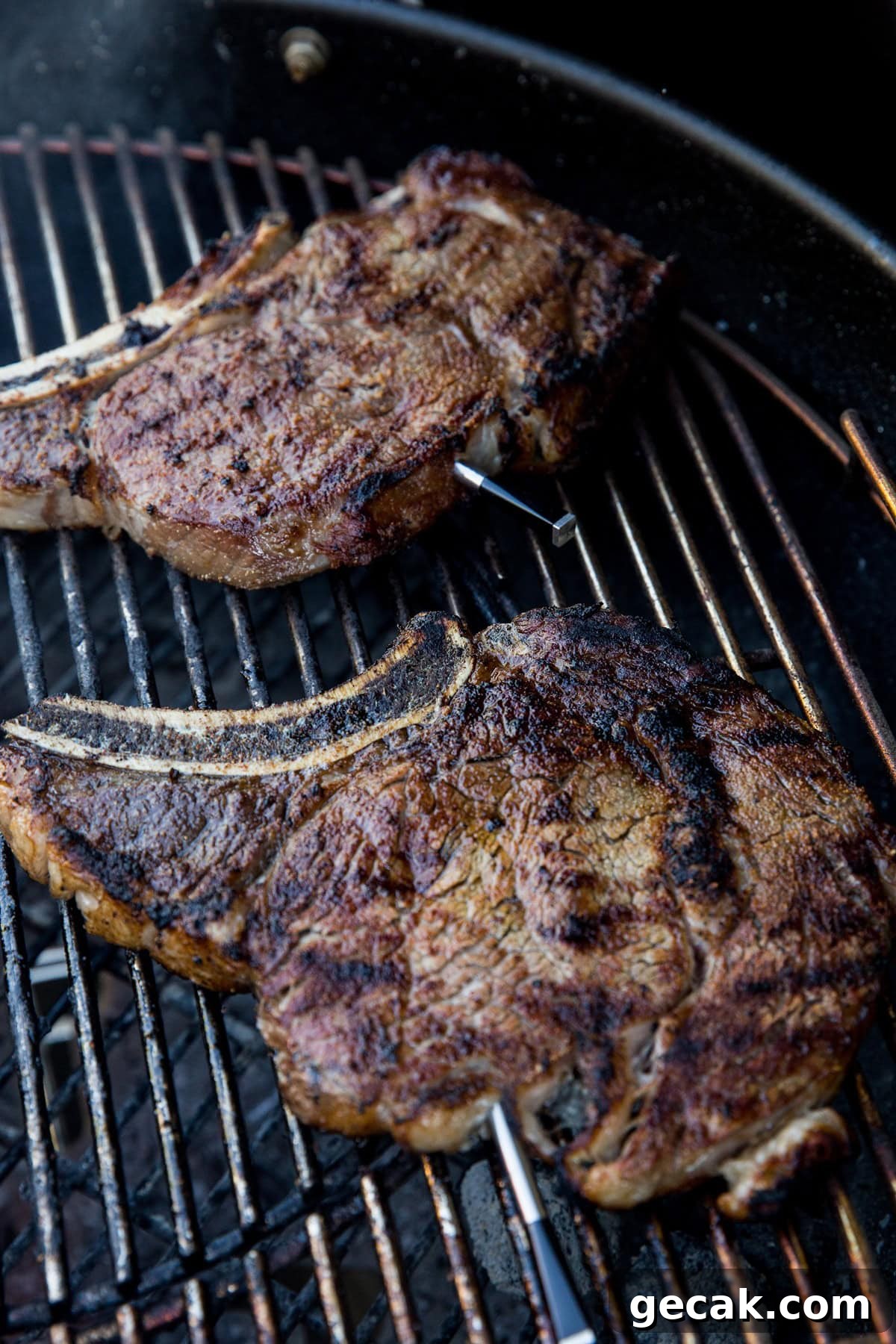
Final Temperatures for Steak:
- Rare: 115–120°F
- Medium Rare: 125–130°F
- Medium: 135–140°F
- Medium Well: 145–150°F
- Well Done: 150–155°F
Frequently Asked Questions:
What is the Best Steak for Grilling?
Fatty cuts like bone-in ribeye, tomahawk, or New York strip are excellent for grilling because the marbling renders and adds flavor. Aim for steaks about 2 inches thick so you can get a good crust without overcooking the center. Thinner steaks are harder to sear properly without overcooking.
How to Season Steak?
A simple blend of sea salt, garlic powder, and black pepper is all you need for a classic, delicious steak. These basic seasonings highlight the beef without overpowering it. If you prefer bold flavors, you can use a favorite rub or marinade instead of dry brining.
What is the Best Grill Temp for Steak?
Preheat a gas grill to around 500°F. For charcoal, wait until the coals are light gray with a golden glow. High heat is essential for a proper sear. Use a meat thermometer after searing to finish cooking without overcooking.
How Long To Grill Steak?
Grilling time depends on grill temp, steak thickness, starting temperature, and fat content. As a guideline: 2–3 minutes per side over direct, high heat to sear, then move to indirect heat for a few additional minutes until the desired internal temperature is reached. Use a thermometer for accuracy.
To summarize:
- Sear steaks 2–3 minutes per side over direct heat until you get a crispy char.
- Move steaks to a cooler part of the grill to finish cooking to your target temperature.
- Use a meat thermometer and remove steaks a few degrees early; allow them to rest 10 minutes before slicing.
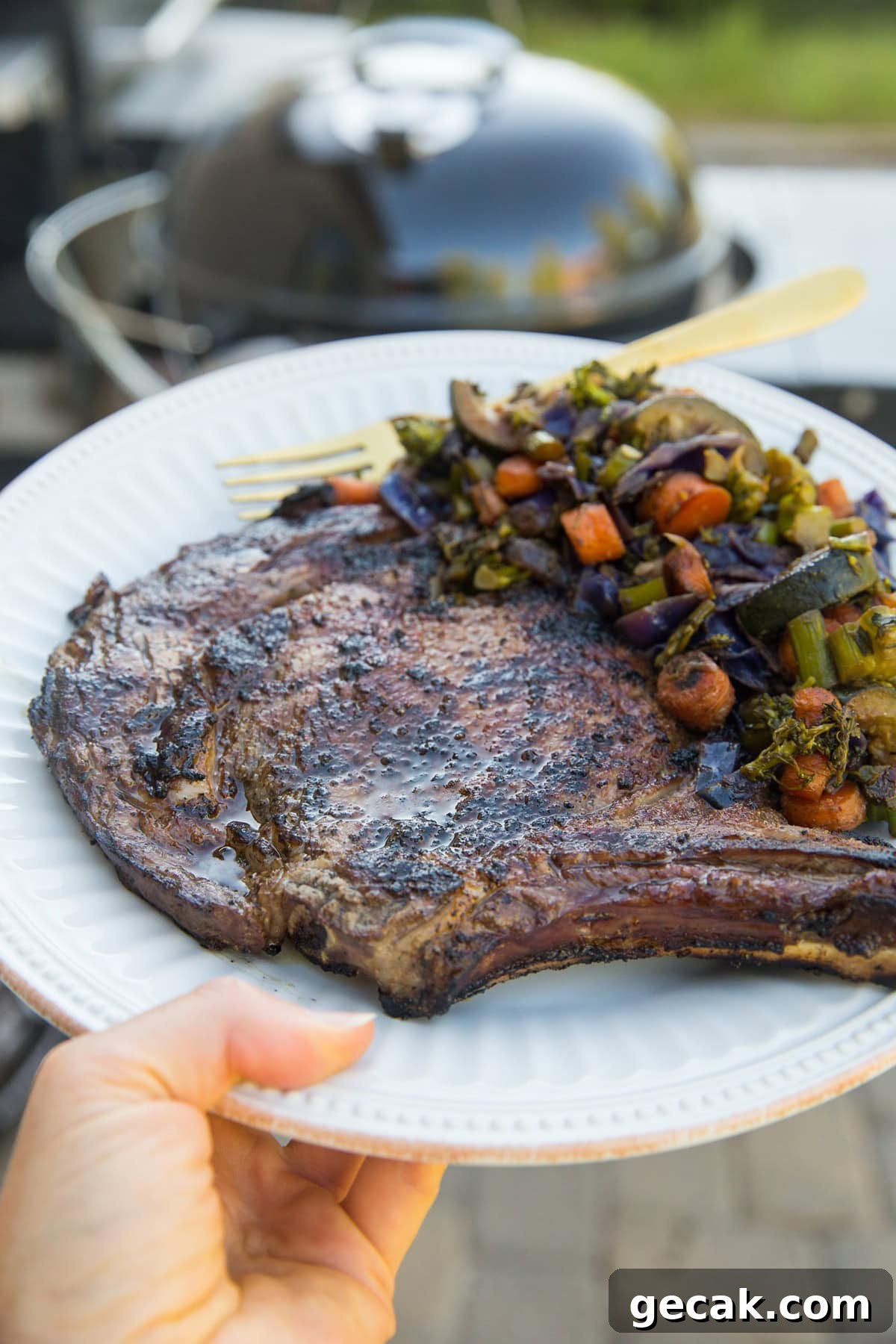
Follow those steps and you’ll consistently serve juicy, flavorful steaks with an impressive crust.
What to Serve with Steak:
Some excellent side options:
- Stir-fried vegetables
- Crispy sweet potato fries
- German-style potato salad with caramelized onions and chives
- Italian pasta salad
- Mayo-free macaroni salad
- Grilled sweet potatoes, zucchini, and yellow squash with pesto and feta
- Fruit salad with lemon coconut whipped cream
More Grilling Recipes:
- Healthy grilling collections and recipe ideas
- Grilled chicken thighs
- Grilled salmon kabobs with pesto
- Orange ginger grilled chicken
- Chili lime glazed shrimp skewers
- Grilled stuffed avocados
- Grilled salmon
That covers everything you need for an outstanding steak dinner. May your steaks be perfectly charred, tender, and delicious every time.
Perfect Grilled Steak Recipe
Pin
Ingredients
- Bone-in ribeye steaks*
- Sea salt
- Garlic powder
- Black pepper
Instructions
-
Begin by dry brining your steak for up to 24 hours. Remove steaks from packaging and pat dry.
-
Place steaks on plates or a baking sheet and sprinkle both sides and the edges liberally with sea salt.
-
Refrigerate uncovered for at least one hour and up to 24 hours.
-
When ready, preheat a gas grill to 500°F or prepare charcoal so you have direct and indirect heat zones.
-
Season both sides with garlic powder and black pepper.
-
Sear steaks over direct heat for 2–3 minutes per side until nicely charred.
-
Use a wireless thermometer to monitor internal temperature: 125–130°F for medium-rare, 135–140°F for medium.
-
Remove steaks a few degrees below target temperature and let rest so carryover cooking finishes the steak.
-
Rest steaks at least 10 minutes before slicing to let juices redistribute.
Notes
Nutrition
Nutrition information is automatically calculated and should be used as an approximation.
Like this recipe? Rate and comment below!