Tasting Jerusalem August 2014
Whether you call it silan, dibbis, date molasses, date honey, or date syrup, the concentrated sweet essence of the ancient date is an underused pantry powerhouse. Thick, dark, and richly fruity, date syrup brings a tangy dried-fruit depth that deserves a regular place on your shelf.
If you enjoy dates, you might also like my date smoothie recipe.
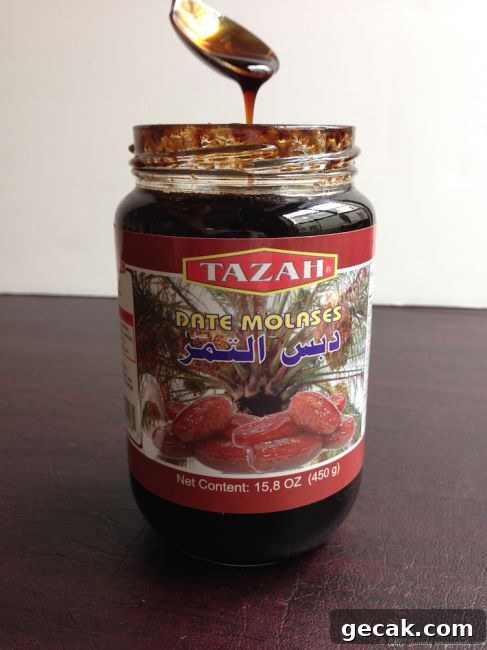
Date molasses resembles traditional molasses in texture and color but has a distinctive fruity sweetness. In biblical times, references to “honey” often meant date honey rather than bees’ honey. Date syrup is traditionally made by simmering dried dates in water until soft, then pressing them through a cloth and reducing the strained liquid until it thickens into syrup.
Many cooks in the Middle East enjoy date molasses at breakfast. A common combination is stirring date syrup into tahini to make a nutty, sweet spread served with bread. In Israel, it’s also used as a finishing drizzle over roasted vegetables like cauliflower or stirred into yogurt, salad dressings, and braising liquids to add concentrated dried-fruit richness in place of honey or maple syrup.
As a sweetener, date syrup is less sweet than agave nectar or honey but sweeter than granulated sugar, so you generally need less—roughly one third less than the sugar called for. You can find date syrup at Mediterranean and Middle Eastern markets and through many online retailers.
August Date Syrup Recipes from the Cookbook Include:
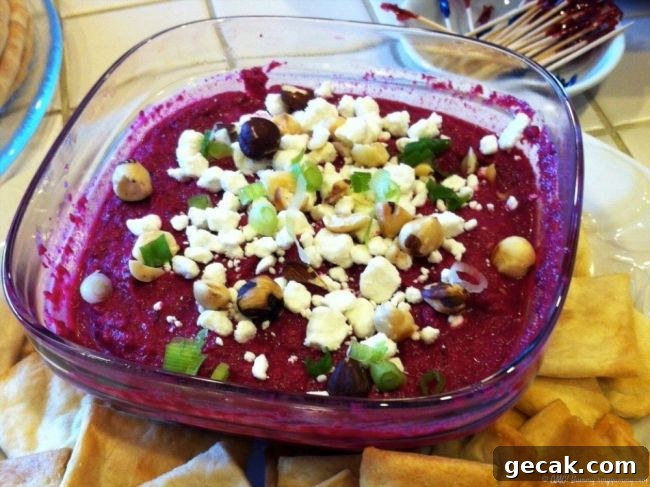
Pureed Beet Dip with Yogurt & Za’atar (pg 52) — date syrup heightens the beet’s natural sweetness and balances the dip’s garlic and green onion.
Chunky Zucchini & Tomato Salad (pg 84) — a bright match for the summer bounty of squash and tomatoes.
Butternut Squash & Tahini Spread (pg 69) — a cozy, fall-ready spread that pairs well with date syrup.
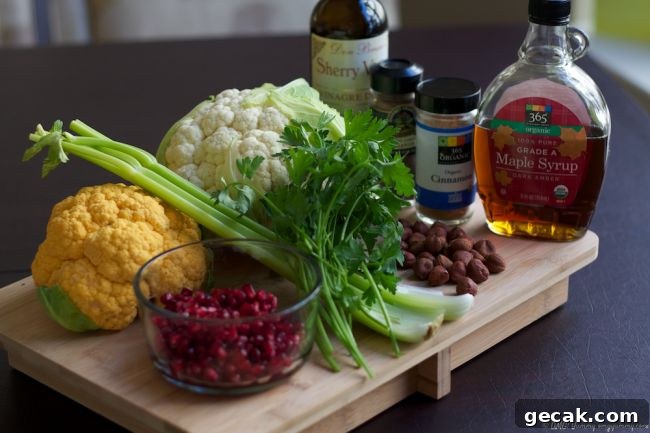
Roasted Cauliflower & Hazelnut Salad (pg 62) — substitute date syrup for maple syrup to add a deeper, fruity note.
Non-cookbook recipe suggestions:
Try chicken wings glazed with date syrup for a sweet-savory finish.
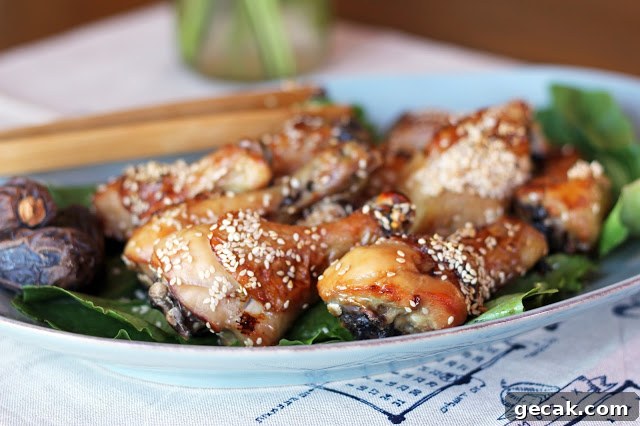
Date syrup also features in sauces for grilled or roasted game and poultry: a traditional Negev-style sauce combines date syrup with red wine and warm spices such as cumin and cardamom, enriching dried-fruit accompaniments.
A pomegranate-and-date-molasses glaze makes a wonderful finish for roast chicken, marrying tangy and sweet flavors. Pomegranate and date syrup together recur across Middle Eastern salads and sauces for a bright, layered taste.
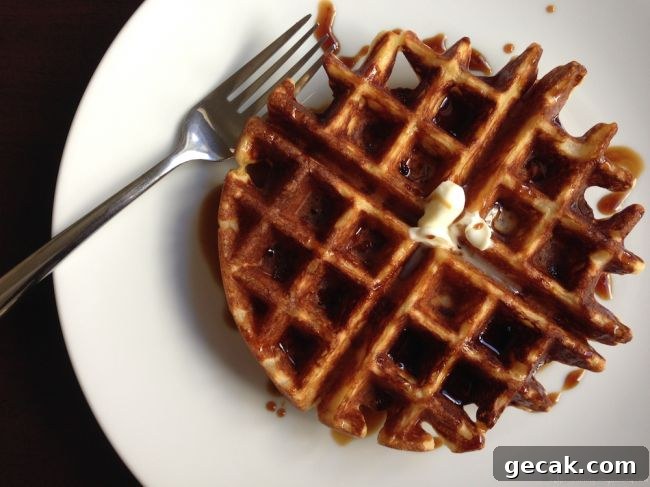
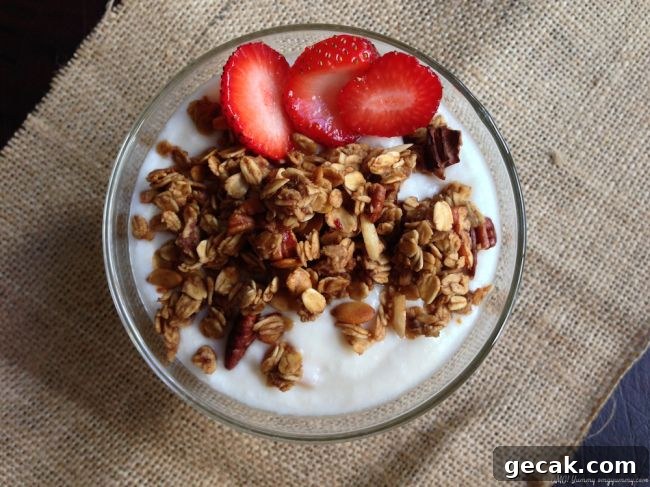
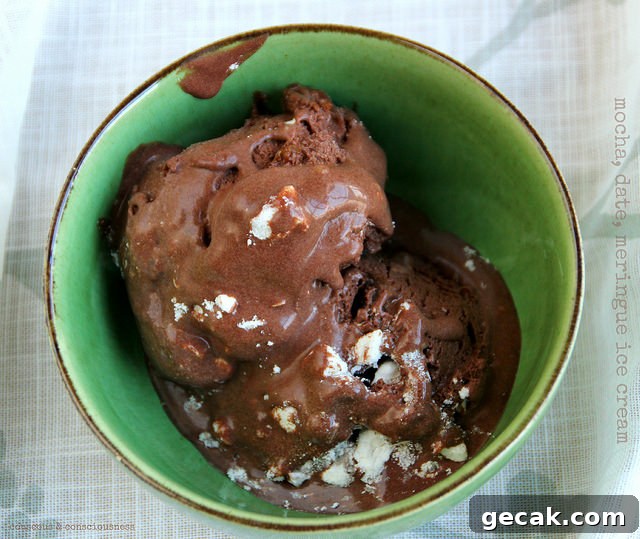
Use date syrup as a maple syrup substitute on waffles, pancakes, or over yogurt and fruit. It’s also excellent in homemade granola or as a sweetener in braises and dressings. For a dessert twist, swirl date syrup into ice cream or create a mocha-date ice cream for a rich, caramel-like note.
For a refreshing nonalcoholic drink, try Jallab: a Middle Eastern mocktail that highlights the syrupy sweetness of dates paired with aromatic ingredients and served over ice.

Buy my cookbook now!
P.S. If you try any of these ideas, please leave a star rating or a review in the comments. I appreciate your feedback and love seeing how you use date syrup in your kitchen.
Welcome to Tasting Jerusalem
If you’re new, the group is simple and friendly—cook, share, and enjoy discovering Middle Eastern flavors together.
Group Guidelines:
- How often we cook: Each month we choose a few recipes so members can cook when it fits their schedule and track down any special ingredients.
- Do I need to cook everything?: No. Choose as many recipes as you like; the goal is to explore and enjoy.
- What you need to participate: The cookbook Jerusalem: A Cookbook, curiosity about new flavors, and internet access. Monthly details will be posted on the blog, and you can follow updates via social channels and the hashtag #TastingJrslm.
- How to share your results: Everyone is welcome to join. Share photos and notes on Twitter, Instagram, or Facebook with #TastingJrslm. If you need help posting, email the organizer for guidance.
- Publishing recipes: To respect the cookbook’s copyright, do not republish whole recipes unless you have permission from the publisher. If you adapt a recipe, note the source and give proper credit.
- Questions: Organizers monitor the Facebook page and the #TastingJrslm hashtag and encourage members to answer each other’s questions—sharing knowledge is part of the fun.
- If you blog about your cooking: Let the group know so it can be shared. Include a short blurb explaining that Tasting Jerusalem is a community exploring Jerusalem: A Cookbook and mention the hashtag or the group’s online channels so others can follow along.