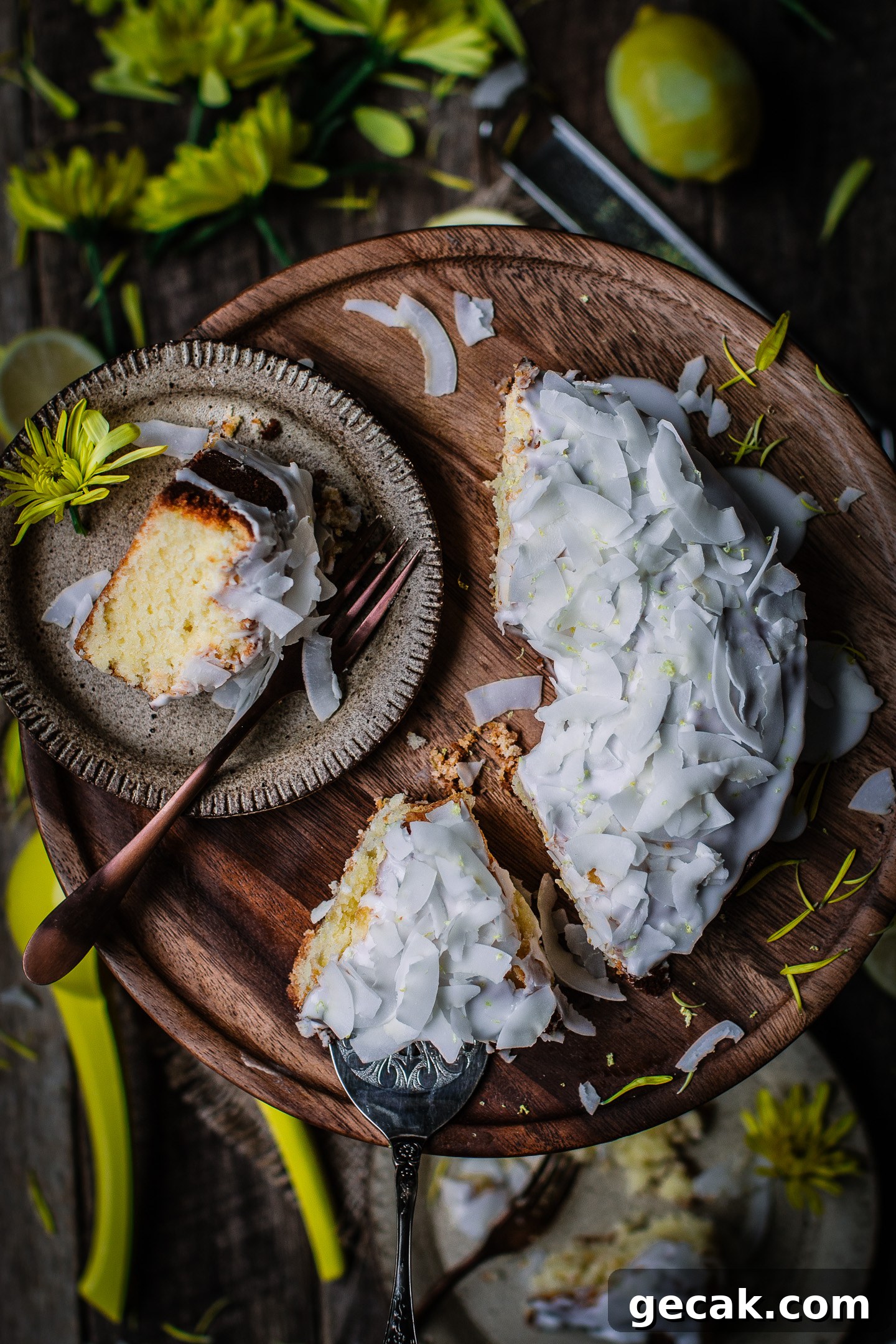
Ask anyone who cannot eat gluten what they miss most and baked goods will almost always be near the top of the list. Gluten provides structure and elasticity to dough, helping it stretch, trap air and rise — which is why baking becomes the greatest challenge when gluten is removed from the diet.
That said, giving up gluten doesn’t mean you must abandon soft, springy bread, delicate flaky pastries or moist cakes that hold together. After many years of gluten-free baking, I’ve collected 20 essential tips that will help you achieve reliable, tasty results in the gluten-free kitchen.
20 Gluten-Free Baking Tips
- The quality of commercially available gluten-free flours varies widely. Choose a reputable blend designed for baking rather than relying on a single grain flour when possible.
- To convert plain gluten-free flour to self-raising, add 2 teaspoons of baking powder for every cup of plain flour.
- When substituting one flour for another, weigh ingredients rather than measuring by cups — different flours have different densities and absorption rates.
- To add structure and elasticity to gluten-free dough, use a small amount of xanthan gum. Alternatives such as ground chia seeds, flaxseed or psyllium husk also improve texture. Use sparingly to avoid a gummy result.
- Gluten-free recipes often need extra leavening to compensate for the lack of gluten. Baking powder and baking soda help batters rise and create lighter baked goods.
- Use the pan size specified in the recipe. A pan that’s too small will cause overflow; one that’s too large will spread the batter thin and underwhelm your final product.
- Grease pans thoroughly and line with baking paper where appropriate. For bundt tins and other detailed pans, grease every nook and dust with flour or cocoa to prevent sticking.
- Read the entire recipe before beginning and check the freshness of ingredients. Baking powder, baking soda, xanthan gum and nut meals lose effectiveness or go rancid over time.
- Use ingredients at room temperature unless the recipe specifies otherwise (pastry is an exception and benefits from cold butter). Room-temperature ingredients combine and emulsify more easily for consistent results.
- Always preheat your oven. Baked goods need the correct starting temperature to achieve a good initial rise and proper texture.
- When measuring dry ingredients, level off with a knife to ensure accurate quantities and consistent outcomes.
- Add eggs one at a time when the recipe calls for it, scraping the bowl between additions to ensure proper incorporation and a smooth batter.
- Always rest pastry dough before baking. Resting firms the dough, reduces shrinkage and makes it easier to handle.
- Roll pastry between two sheets of baking paper to prevent sticking to the rolling pin and to keep your bench tidy. This method also reduces the need for extra flour, which can alter texture.
- If cookie dough is too sticky to handle, chill it in the fridge for about 30 minutes or dust lightly with extra flour to firm it up for shaping.
- Chilling cookie dough for at least 30 minutes, or preferably overnight, improves flavor development and yields a crisper, more evenly browned cookie.
- Taste as you go when working with batters and fillings that are safe to sample. It’s easier to adjust sweetness, spice or acidity before the bake than after.
- Transfer hot bread immediately from the oven to a wire cooling rack to prevent the crust from becoming soggy. Allowing air to circulate around the loaf keeps the crust crisp.
- Cooling time is critical. Only ice or frost cakes when they are completely cool to prevent melted, runny icing. Likewise, rest and cool bread fully before slicing to avoid a gummy interior.
- Enjoy the process and learn from mistakes. Gluten-free baking requires patience and experimentation, but with practice you’ll produce rewarding results.