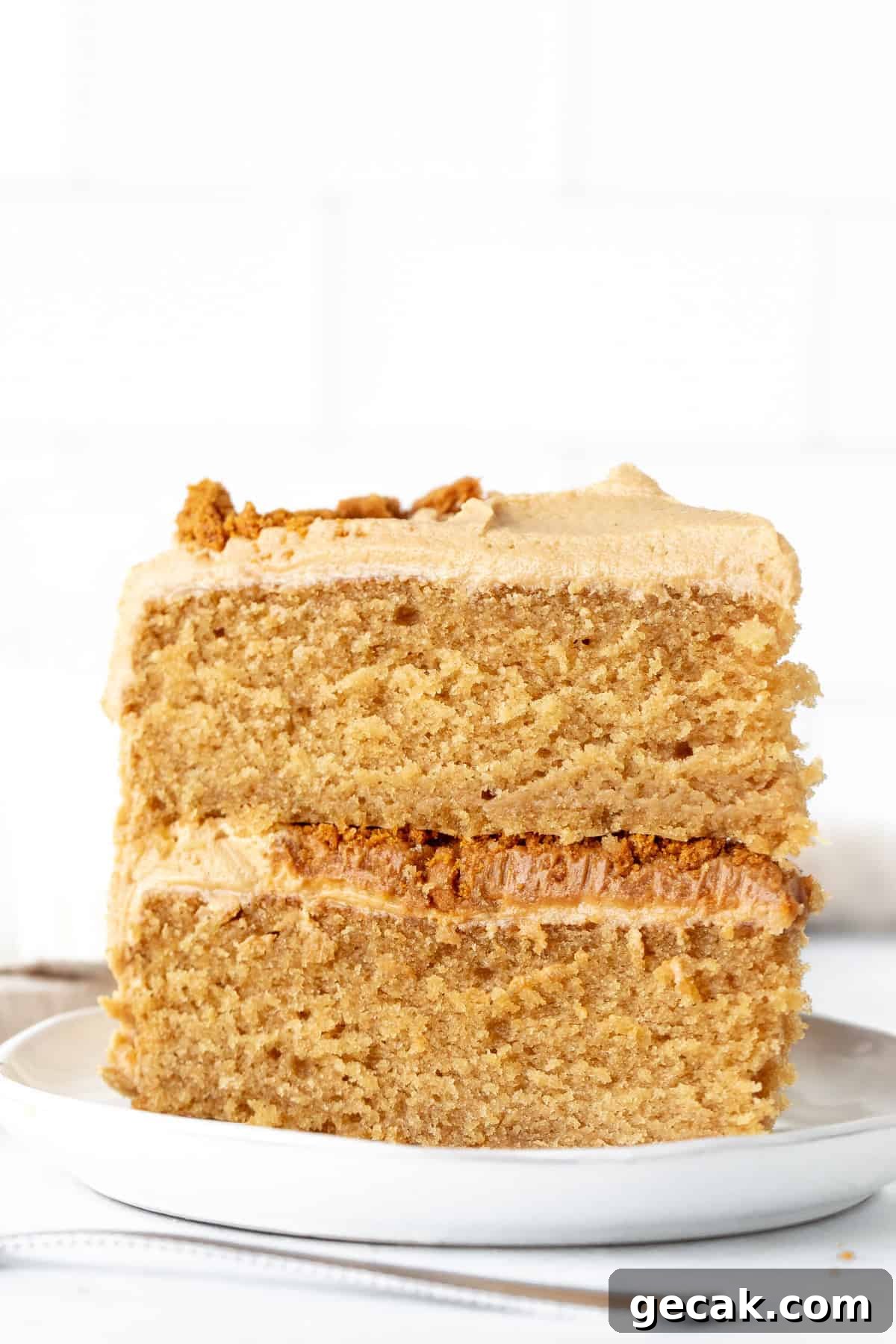
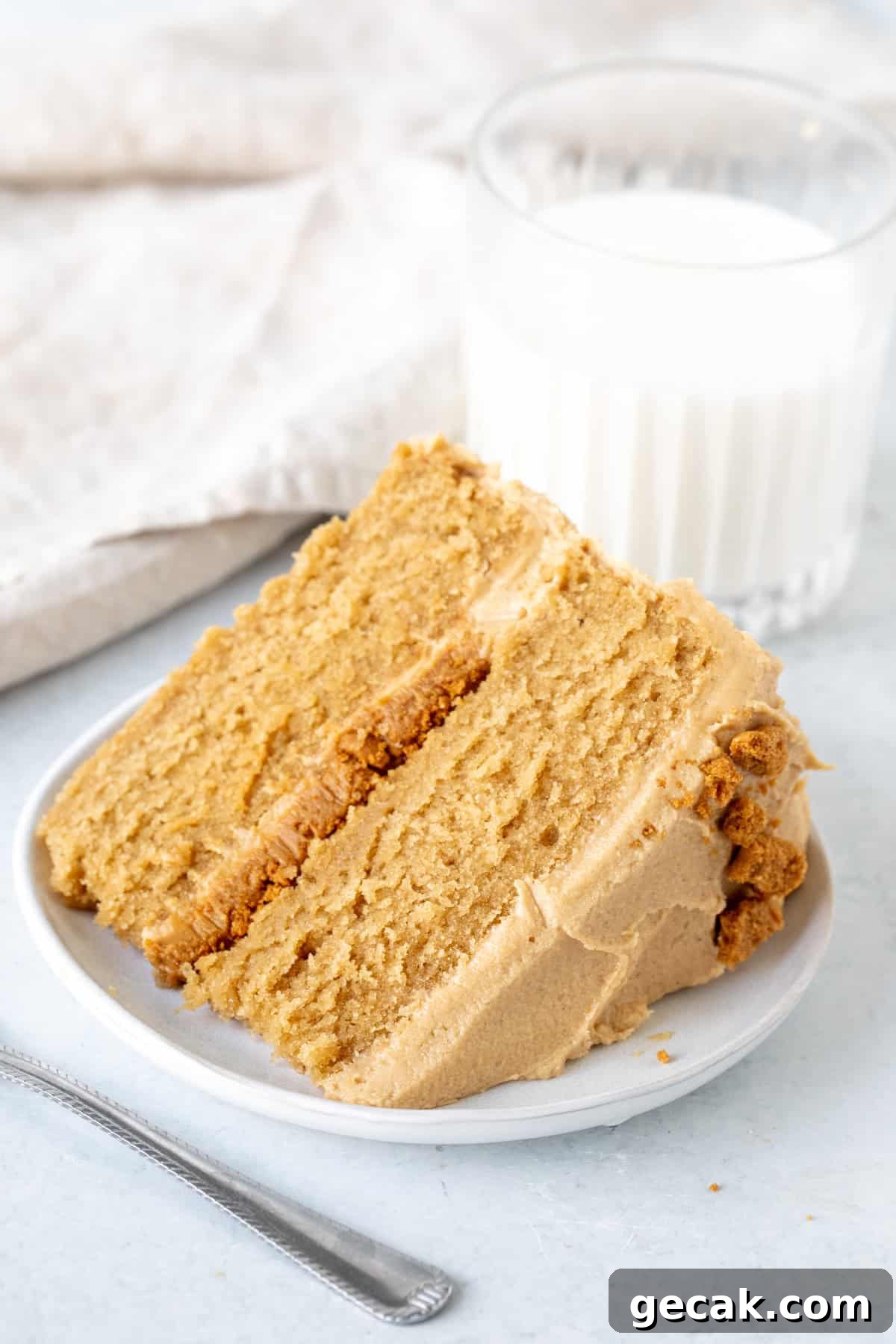
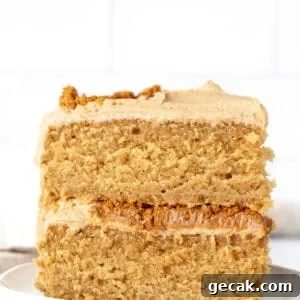
This Biscoff cake — also known as cookie butter cake — features moist layers infused with Biscoff, a creamy Biscoff buttercream, and a filling of warmed cookie butter plus crushed Lotus cookies. The buttercream is rich and creamy without being overly sweet. It’s a decadent treat for cookie butter lovers.
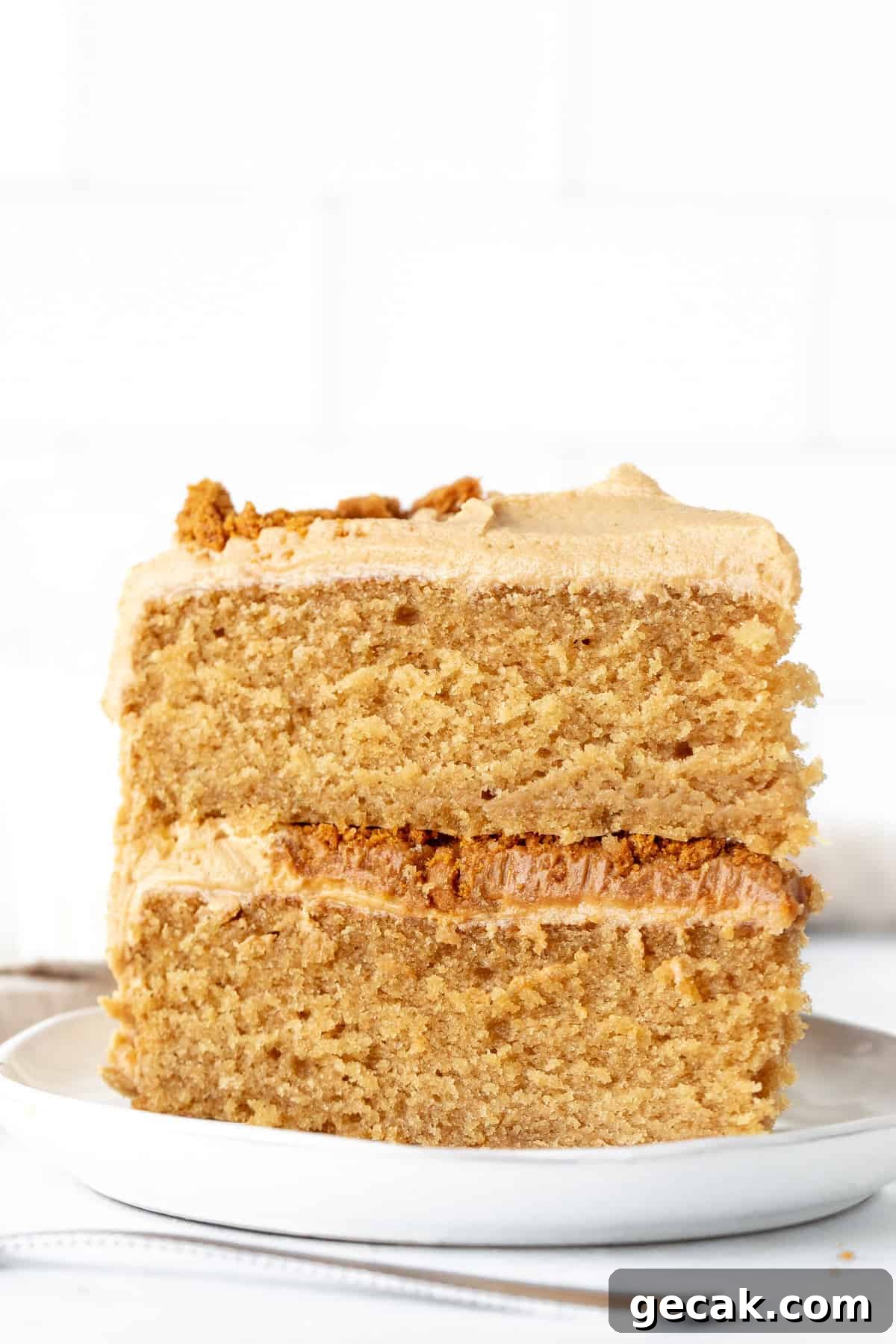
I love baking with Biscoff (and, full disclosure, sometimes eating it straight from the jar). Its caramel and warm spice notes work beautifully in baked goods. This cake captures that flavor without becoming cloying: you get brown sugar, caramel, and cinnamon in a tender, moist layer cake.
The Biscoff buttercream balances sweetness with creaminess, and the addition of cookie butter and crumbled Lotus biscuits in the filling adds texture and extra flavor.
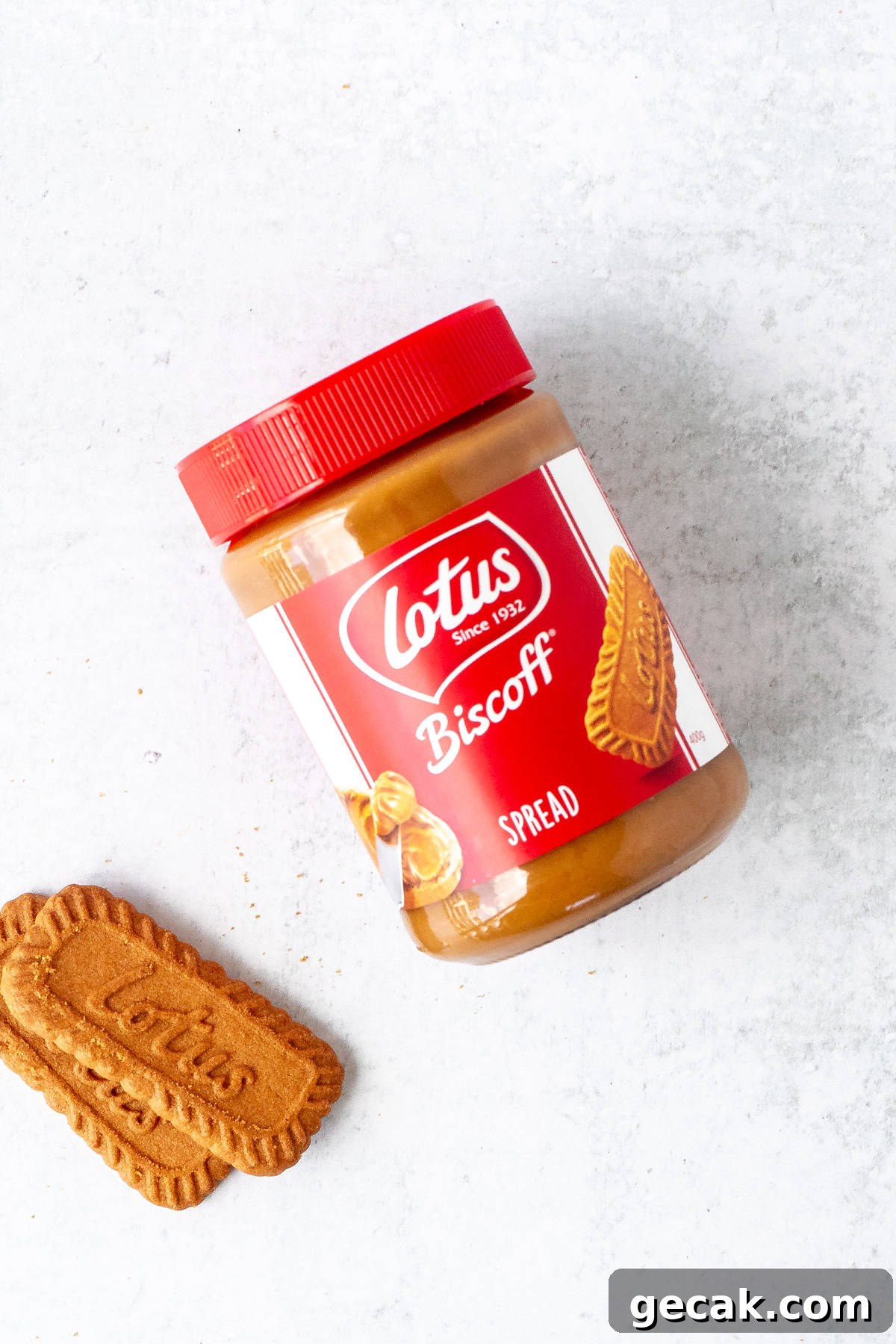
What Exactly Is Biscoff?
Biscoff is a popular brand of cookie butter — a spread similar in texture to peanut butter made from crushed speculoos (speculaas) biscuits from Belgium. It delivers brown sugar and caramel notes with a hint of warm spices. Any cookie butter brand will work in this recipe, though I typically use Biscoff spread and Lotus speculoos biscuits for the crumble and decoration.
Making Biscoff Cake
This cake yields very moist, tender layers. Because cookie butter is thick, finding the right balance to keep the cake light — not dense or dry — required some adjustments.
- Preheat the oven to 350°F (180°C). If using a convection oven, reduce the temperature by 25°F (10°C). Line the bottoms of two 8-inch round pans with parchment and lightly grease the sides. Alternatively, grease and flour the pans.
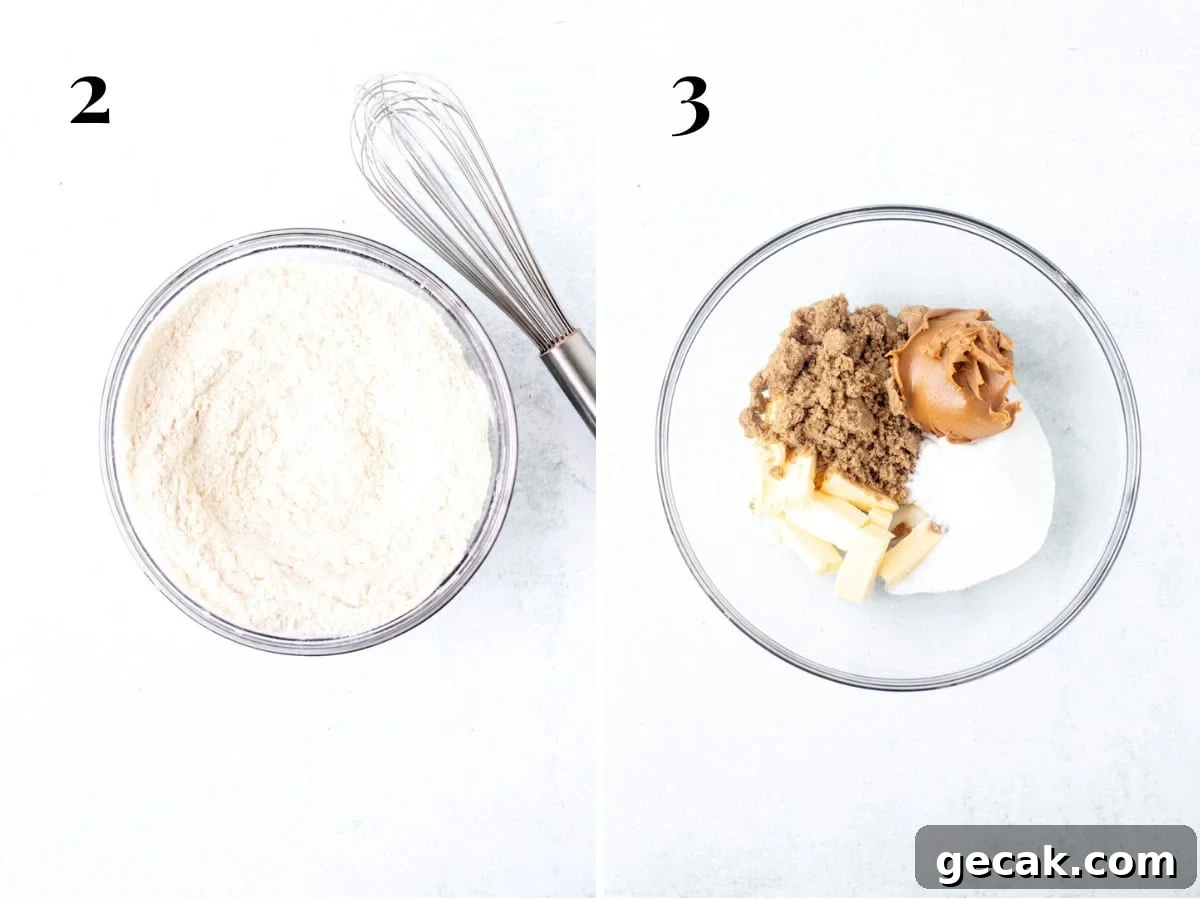
- In a medium bowl, whisk the dry ingredients (flour, baking powder, baking soda, salt) to evenly distribute the leaveners. Measure flour carefully — a scale is best. If you don’t have one, spoon flour into measuring cups and level off the top.
- In a large bowl, beat together softened butter, brown sugar, granulated sugar, and Biscoff spread until there are no lumps of butter or brown sugar. Brown sugar enhances the cookie butter flavor.
- Beat in the oil and vanilla. This recipe uses both butter and oil: butter for flavor, oil to keep the cake moist longer.
- Add the eggs one at a time, mixing just until combined. Incorporating eggs individually helps avoid overmixing, which can create a tough crumb.
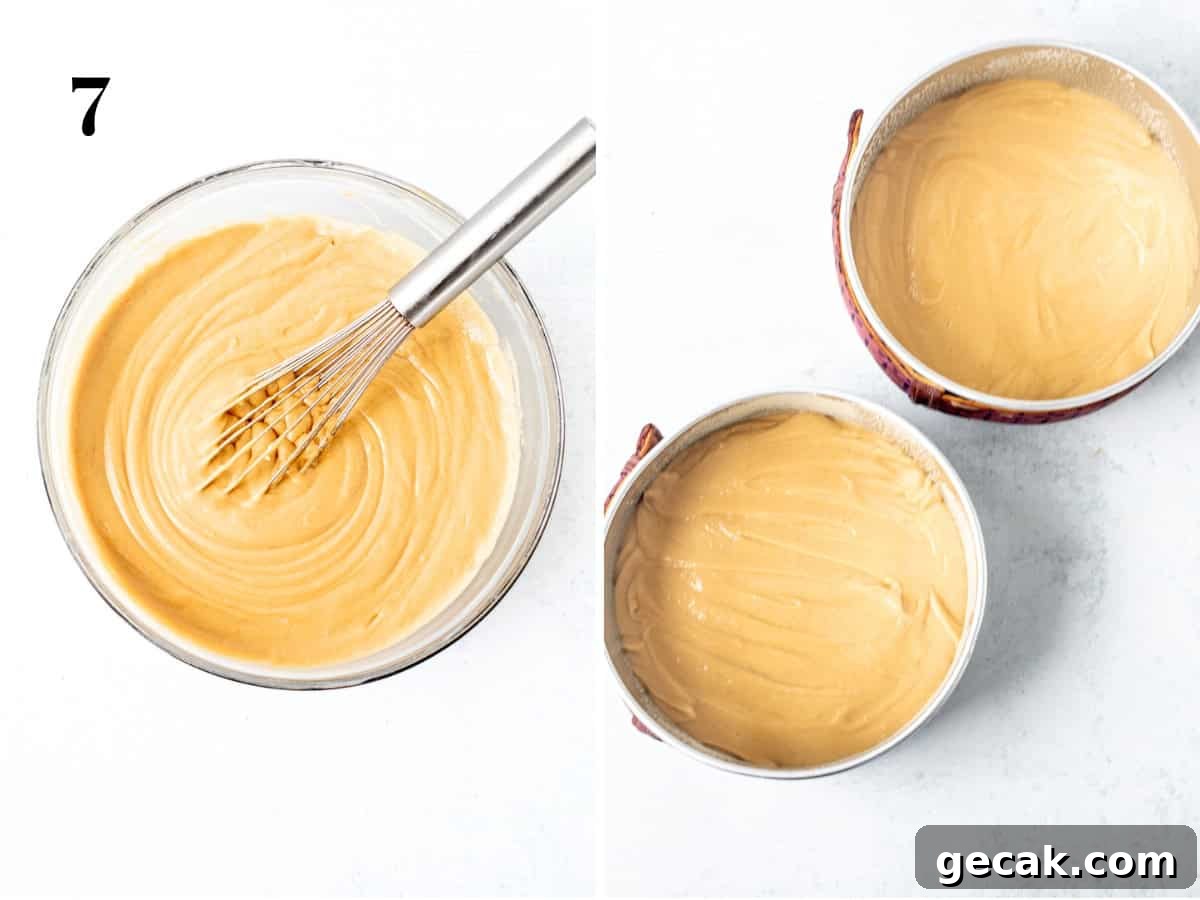
- Alternate adding the dry ingredients and buttermilk: whisk in about one-third of the dry mix, then half the buttermilk, another third of the dry mix, the remaining buttermilk, and finish with the last third of dry ingredients. Mix gently by hand with a spatula or whisk to prevent overworking the batter. Buttermilk keeps the texture tender without weighing it down.
- Divide the batter evenly between the two prepared pans. If you use cake strips around the pans they help produce flat tops so you don’t have to trim domes later.
- Bake in the center of the preheated oven for about 35–40 minutes, or until the edges pull away from the pan and a toothpick inserted in the center comes out clean. Cool in the pans for at least 15 minutes before carefully removing to a rack to cool completely.
The Biscoff frosting is an American-style buttercream made with butter, a touch of cream cheese, Biscoff spread, cinnamon, powdered sugar, salt, vanilla, and a little cream to achieve the right consistency. The cream cheese helps temper sweetness without turning this into a true cream cheese frosting. Since speculoos cookies contain cinnamon, a little cinnamon in the frosting complements that warm spice. Sift powdered sugar before mixing to keep the buttercream smooth.
Assembling Your Layer Cake
Make sure the cake layers are completely cool before assembling. If the tops are domed, level them gently with a serrated knife so the layers stack evenly.
Set the first layer on your serving plate. Spread a thin layer of frosting on top, then pipe or spread a thick ring of frosting around the edge to create a barrier that will hold the cookie butter filling. Warm about 1/3 cup of Biscoff briefly so it is spreadable (it should not be hot), then spread it inside the piped ring and sprinkle crushed Lotus cookies over it.
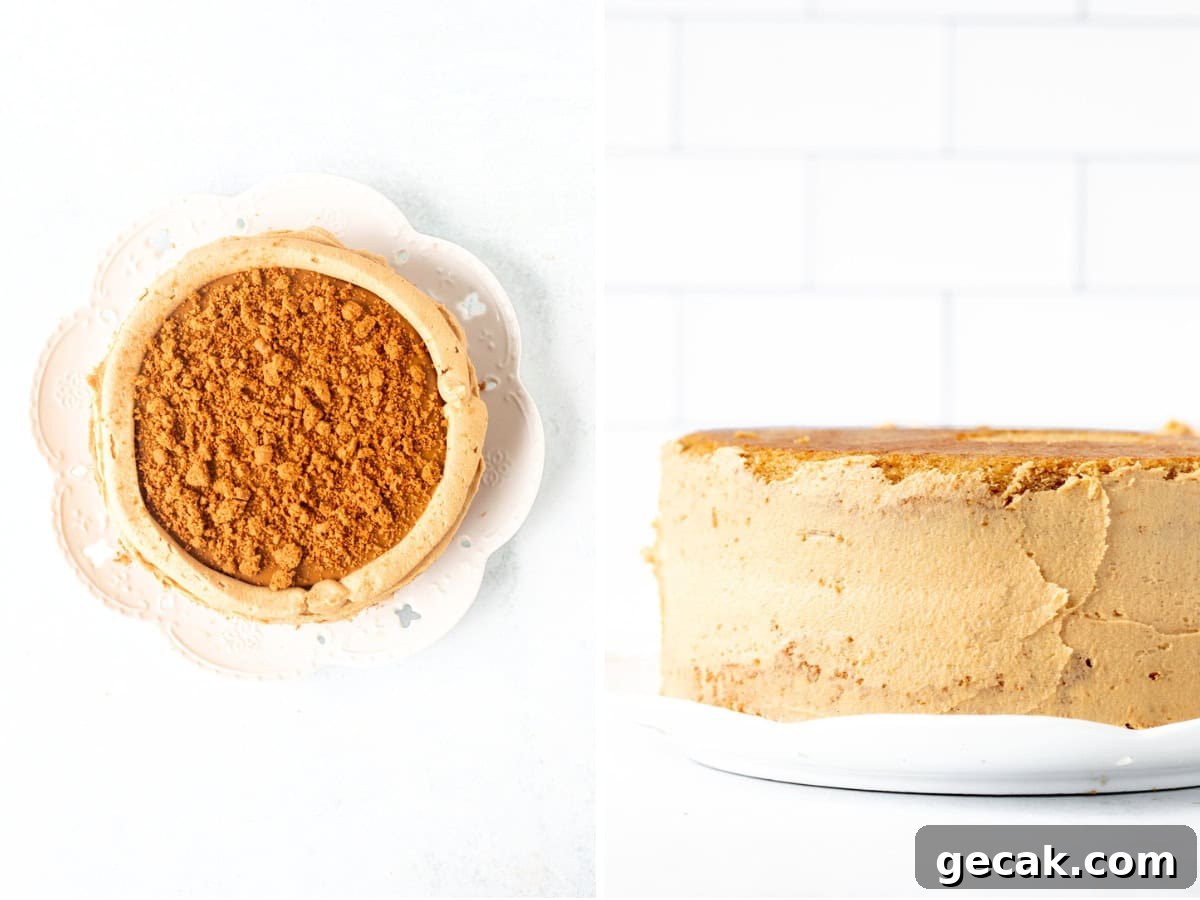
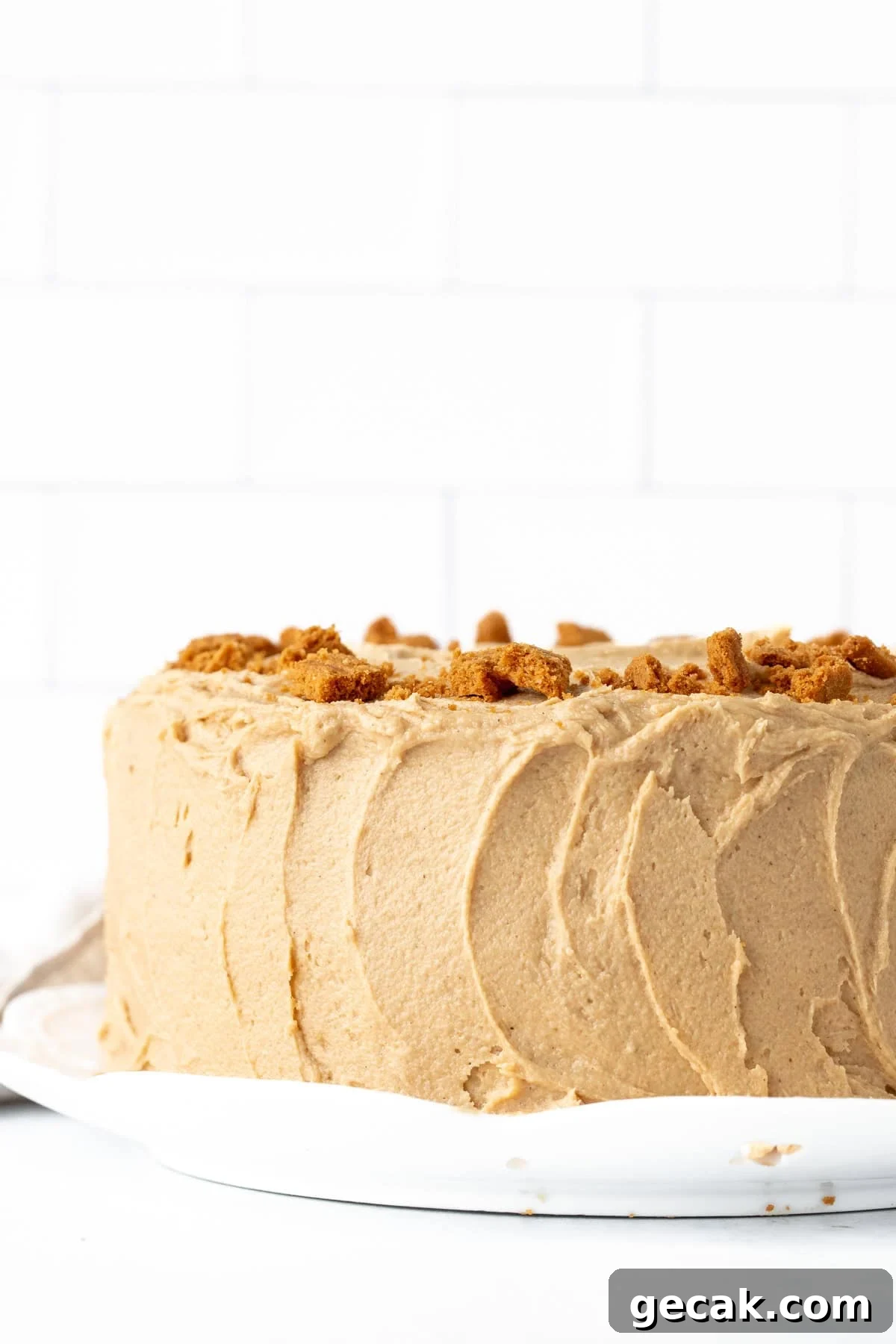
Top with the second layer, apply a thin crumb coat of frosting to the sides, and chill the cake for about 20 minutes to set the crumb coat. After chilling, finish frosting the sides and top with swirls of the Biscoff buttercream. Reserve about one-third of the total frosting for the top, one-third for the sides, and use the remainder to pipe accents or fill the middle ring. Finish with extra crushed Lotus cookies on top for decoration.
Recipe Tip
This recipe can also be baked in a 9×13-inch (23×33 cm) pan. Grease and flour the pan and bake about 40–45 minutes at 350°F (180°C). If using a 9×13 pan, halve the frosting recipe. After frosting, drizzle slightly warmed cookie butter on top and sprinkle crushed Lotus cookies for garnish.
With tender, moist layers, pronounced Biscoff flavor, silky cookie butter frosting, and a cookie-butter-and-crumble filling, this cake is a must for anyone who adores cookie butter.
Biscoff Cake
Cook: 35 mins,
Cooling: 45 mins,
Total: 2 hrs 30 mins,
Servings: 12 slices
Equipment
- Two 8-inch round cake pans with 2-inch (5 cm) sides
Ingredients
Biscoff Cake
- 2 1/2 cups all-purpose flour (312 g)
- 1 1/2 tsp baking powder
- 1/2 tsp baking soda
- 1/2 tsp salt
- 1/2 cup unsalted butter (112 g), softened
- 1/2 cup brown sugar (105 g), light
- 3/4 cup granulated sugar (150 g)
- 2/3 cup Biscoff spread
- 1/2 cup vegetable oil (120 ml)
- 2 tsp vanilla extract
- 3 large eggs, room temperature
- 1 1/4 cup buttermilk (300 ml), room temperature
Biscoff Buttercream
- 1 cup unsalted butter (226 g), softened
- 2 oz cream cheese (56 g), full-fat (or substitute extra 1/4 cup butter)
- 3/4 cup Biscoff cookie butter
- 1/2 tsp cinnamon
- 1/4 tsp salt (omit if using salted butter)
- 1 tsp vanilla extract
- 2 1/2–3 cups powdered sugar (275–330 g)
- 1–2 tbsp whipping cream or milk
Filling
- 1/3 cup Biscoff, warmed slightly
- 4–6 crushed Lotus cookies
Instructions
Biscoff Cake
- Preheat oven to 350°F (180°C). Line two 8-inch round pans with parchment and lightly grease the sides.
- Whisk flour, baking powder, baking soda, and salt in a medium bowl.
- Beat butter, brown sugar, granulated sugar, and Biscoff in a large bowl until smooth.
- Add oil and vanilla and mix to combine.
- Beat eggs in one at a time.
- Alternate adding dry ingredients and buttermilk: dry (⅓), half buttermilk, dry (⅓), remaining buttermilk, final dry (⅓). Mix gently until just combined.
- Divide batter between pans and bake 35–40 minutes, until a toothpick comes out clean. Cool in pans 15 minutes, then transfer to a rack to cool completely.
Biscoff Frosting
- Beat butter until soft. Add cream cheese and Biscoff and mix until smooth.
- Add 2 cups powdered sugar, vanilla, cinnamon, and salt on low speed, then increase to medium.
- Add remaining powdered sugar gradually, alternating with a tablespoon of cream until desired sweetness and consistency are reached.
Assembling the Cake
- Warm 1/3 cup Biscoff in the microwave for 30–45 seconds on medium power and stir; set aside.
- Level cooled cake layers if needed. Place the first layer on your serving plate and spread a thin layer of frosting on top.
- Pipe or spread a thick ring of frosting around the edge to form a barrier. Add warmed Biscoff inside the ring and spread evenly; sprinkle crushed Lotus cookies on top of the filling.
- Place the second layer on top, apply a thin crumb coat to the sides, and chill 20 minutes.
- Finish frosting the sides and top with the remaining buttercream and decorate with crushed cookies as desired.
Notes
- Pan sizes: Two 9-inch pans will bake about 30–35 minutes. A 9×13 pan will bake about 40–45 minutes — halve the frosting for that size.
- Biscoff: Any cookie butter works. The recipe uses roughly two 400 g jars across cake, frosting, and filling, with leftovers.
- Buttermilk substitute: Add 1 tbsp lemon juice to 1 1/4 cups milk, let sit 5 minutes.
- Storage: Store covered in the refrigerator up to 4 days. Unfrosted layers can be baked a day ahead and stored wrapped at room temperature.
Nutrition (estimate per slice)
Calories: 823 kcal; Carbohydrates: 87 g; Protein: 8 g; Fat: 50 g; Sugar: 59 g. Values are approximate and assume 12 equal slices and full use of frosting.