Egg-Free Baking – which egg alternative is the best substitute for cake recipes?
A new baking science experiment by our contributor, Summer Stone-Polzel.
Many bakers choose to omit eggs for reasons ranging from allergies and dietary restrictions to personal ethics. Whatever the motivation, replacing eggs in cakes requires understanding the multiple roles eggs play in baking. Eggs contribute structure and binding, add moisture and fat, provide flavor, act as emulsifiers, and encourage browning through Maillard reactions. Because eggs do several jobs at once, a successful egg-free cake usually needs both a change in the base recipe and an ingredient to take on some of those egg functions.
In my tests I found that simply swapping an egg for a single ingredient rarely produced a tall, tender cake. I began by adapting a standard vanilla cake recipe—normally 1 cup butter, 2 cups sugar, 3 cups flour and 4 eggs—using an established egg-free approach. That method called for roughly one extra cup of flour and an extra cup of liquid compared with the conventional cake. The additional flour-and-liquid balance creates a paste-like matrix that helps bind the batter and compensate for the structural role eggs normally provide. A chosen egg replacer can then supply additional moisture, stabilization, or lift.
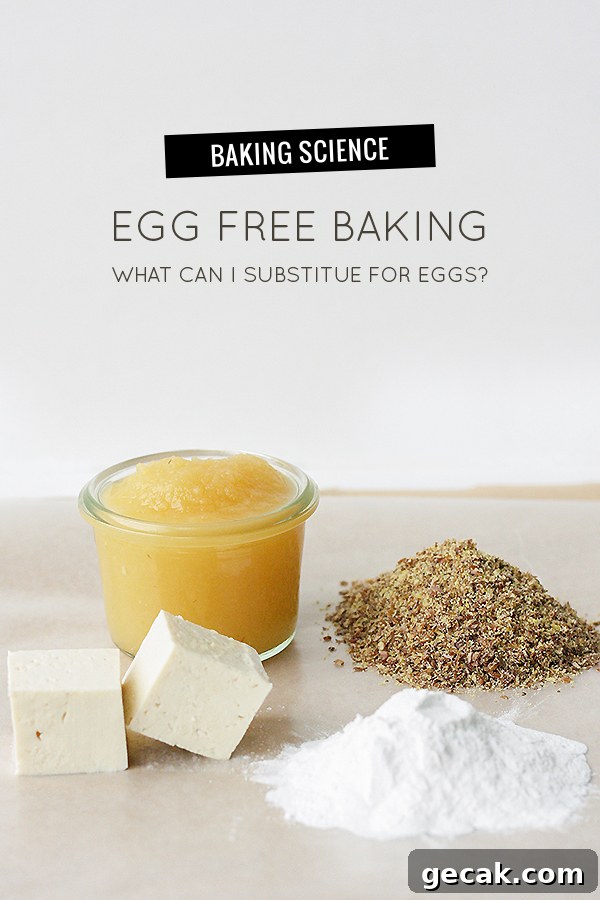
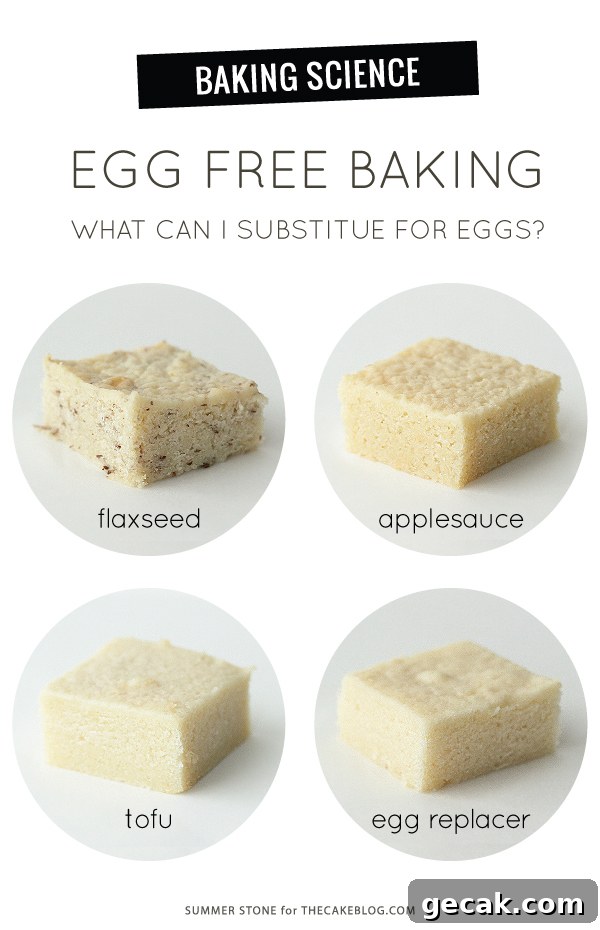
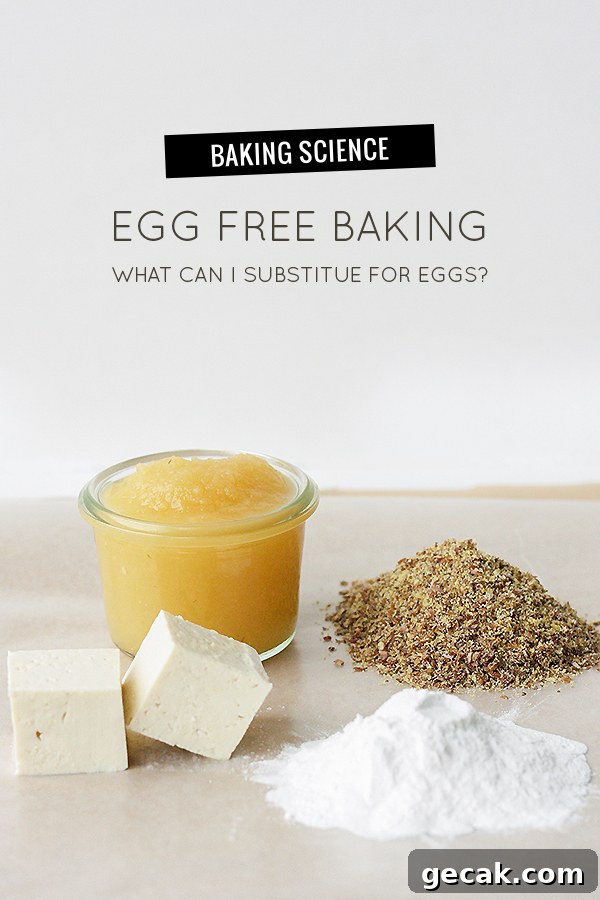
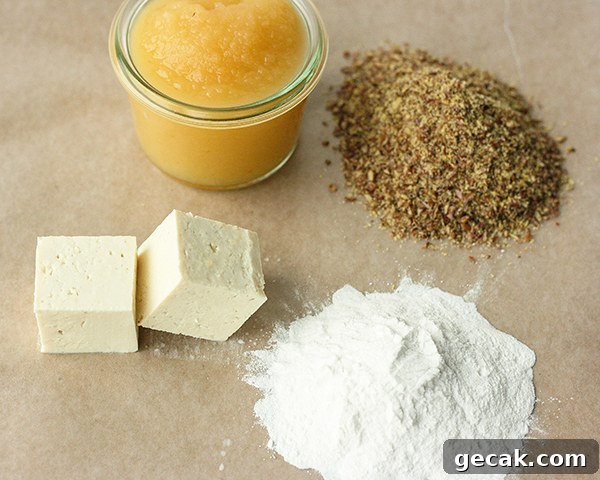
From initial experiments I selected four promising egg substitutes to compare in an adjusted eggless cake formula: flaxseed meal, a commercial egg-replacer (Ener-G), silken tofu, and applesauce. Each was tested against the same adapted recipe to evaluate texture, flavor, rise, and overall performance.
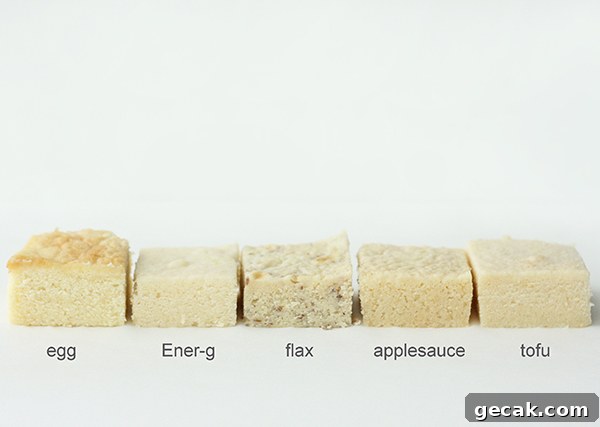
Overall, no substitute perfectly replicates an egg’s full range of functions. In particular, none matched eggs for browning because most lack the proteins that participate in Maillard reactions, and each imparted some flavor or textural differences. Still, some options come close in specific ways. Below are the substitutes ranked from most to least successful and what they contribute to an egg-free cake.
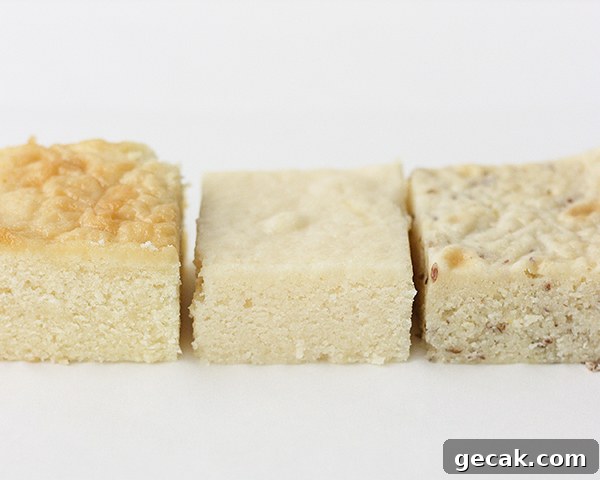
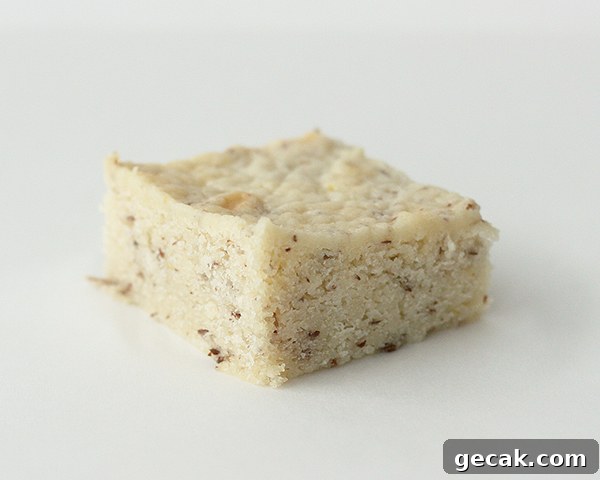
1. Flaxseed meal (use 1 tablespoon flaxseed meal mixed with 3 tablespoons water per egg): Ground flaxseed forms a gel when hydrated, supplying soluble fiber that thickens and stabilizes the batter. It retains moisture well and helps bind ingredients, producing a moderately light crumb with a pleasant wheaty note. The main downside is visible brown flecks, which are less noticeable in chocolate or spice cakes but obvious in pale vanilla cakes.
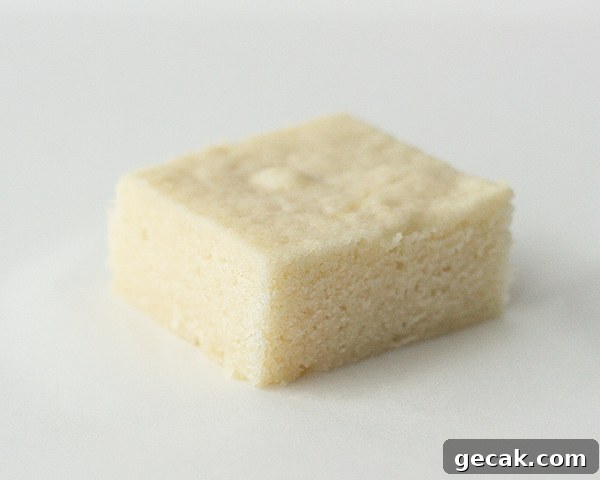
2. Ener-G Egg Replacer (use about 1½ teaspoons of the dry mix blended with 2 tablespoons water per egg): This commercial blend of starches, leavening agents, and fibers provides structure, lift, and moisture retention. Its results were closest to an egg-containing cake in texture and rise. The drawback is a slightly papery aftertaste from tapioca or other starches, more noticeable in plain unfrosted cakes and less so when the cake is covered in icing.
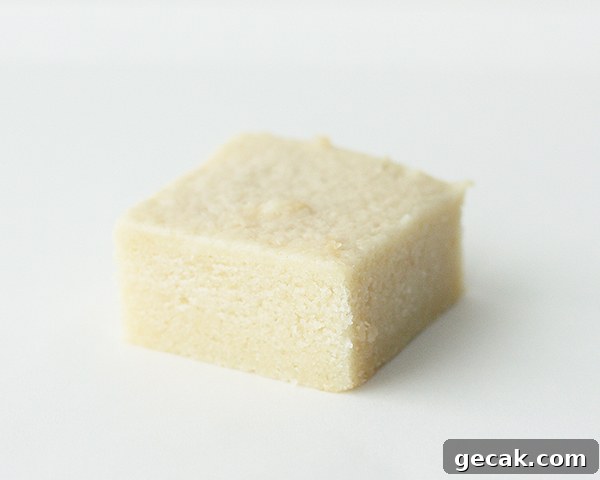
3. Silken tofu (use 1/4 cup puréed silken tofu per egg): Silken tofu contributes moisture and some protein-based bonding, but cakes made with tofu tended to be denser and shorter than those made with flaxmeal or a commercial replacer. A faint soy flavor can be detectable, so tofu is best used where that profile complements the cake.
4. Applesauce (use 1/4 cup unsweetened applesauce per egg): Applesauce supplies moisture and pectin, which helps stabilize the crumb. However, it often yields a shorter, slightly gummy texture and imparts an apple flavor that can clash with a plain vanilla cake—though it works well in spiced or fruit-based cakes where apple notes are welcome.
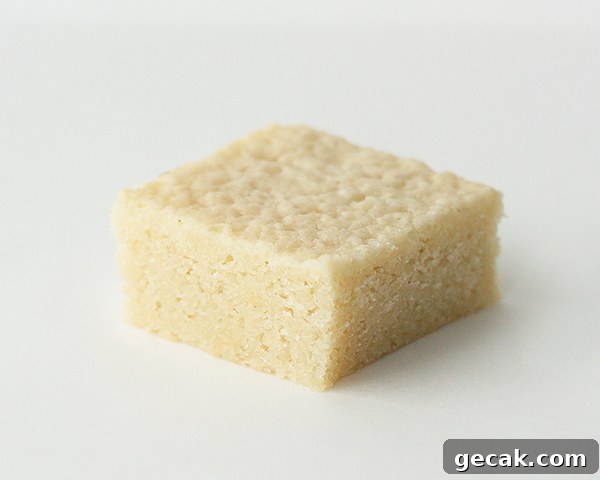
Practical takeaways: Egg-free cakes perform better when you adjust the base formula—adding a little more flour and liquid—to create a binding matrix. Then choose an egg replacer based on priorities. Flaxseed meal delivers taste and reliable binding, with the trade-off of flecks in light-colored cakes. Commercial egg replacers like Ener-G produce a cleaner appearance and reliable structure but may add a mild starchy aftertaste. Tofu and applesauce are acceptable in a pinch or when their flavors suit the recipe, but they don’t mimic eggs as well as flax or a purpose-made replacer.
YOU MAY ALSO ENJOY:
Is Butter Really Better?
Baking Temperature Comparison
How to Bake with Alcohol
Can You Overmix a Cake?
Which Flour Is Best?