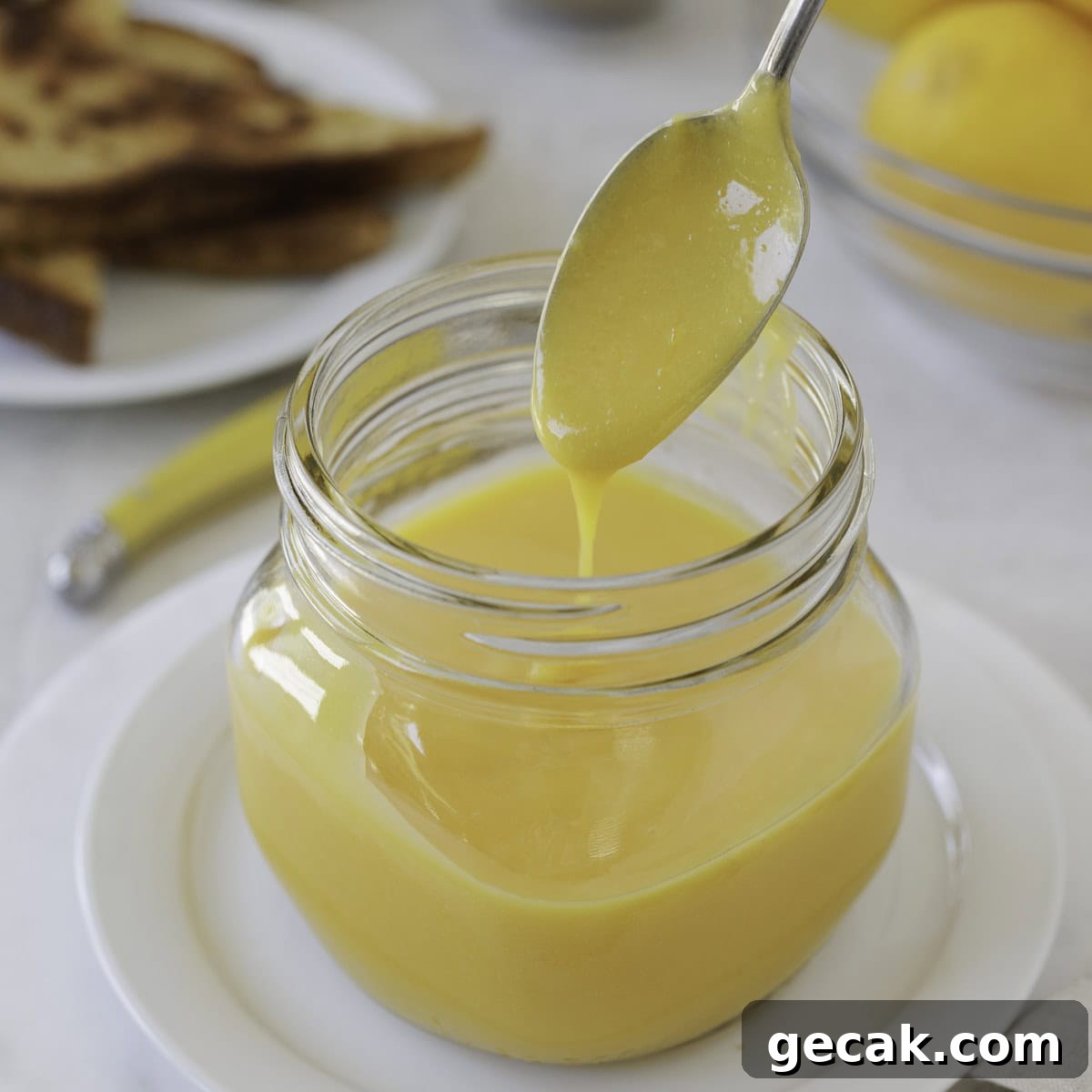
Smooth, silky, and bursting with bright citrus, this sugar-free lemon curd delivers all the tang and richness of a classic curd without the sugar. Naturally low in carbs and keto-friendly, it’s perfect spread on toast, swirled into yogurt, folded into overnight oats, or used as a filling for cakes and pastries. The texture can be adjusted from spoonable to pourable, and the recipe is simple enough to make any time you crave a fresh lemon boost. See the “How to Use Lemon Curd” section for more serving ideas.
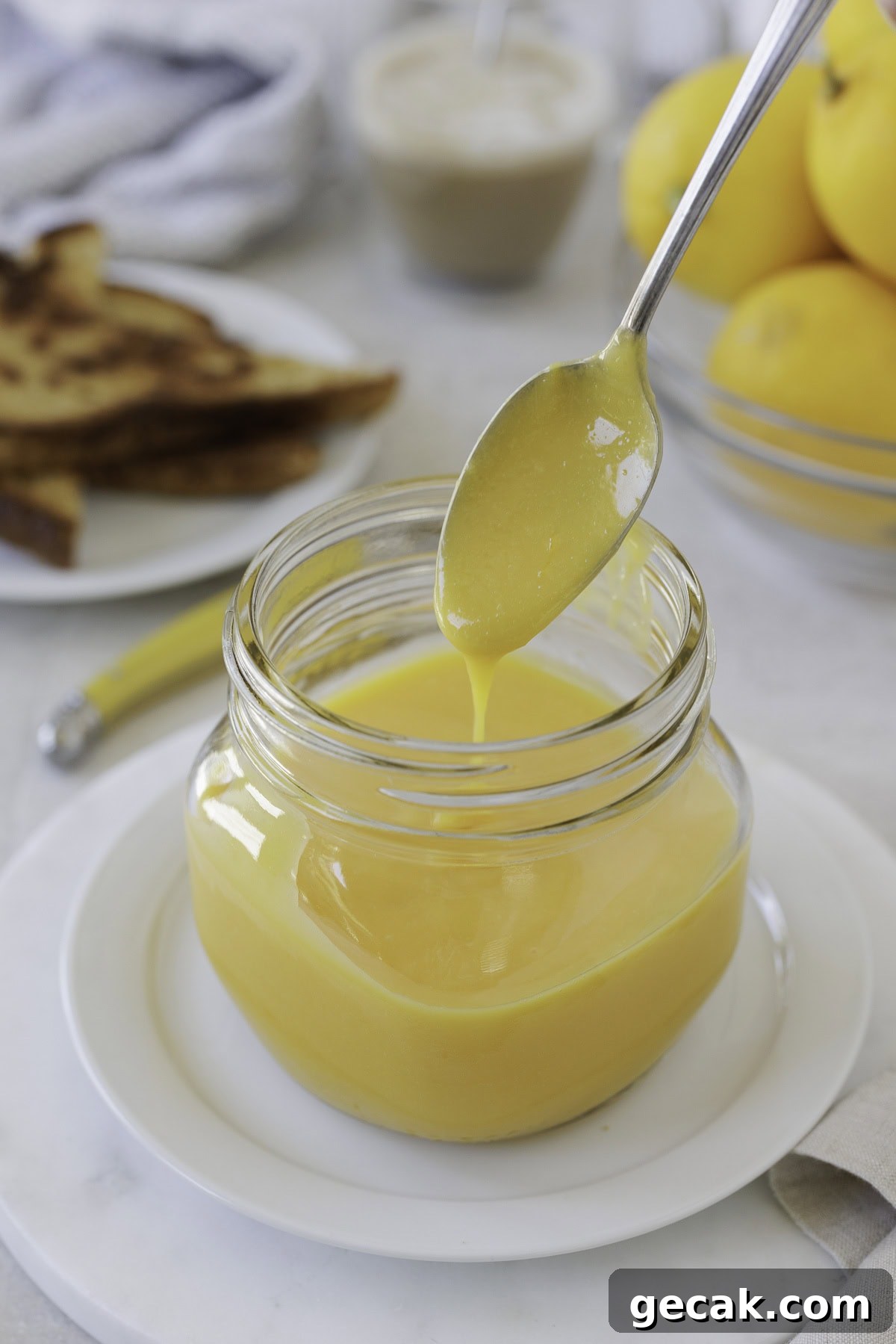
Lemons are at their best in winter, making that season ideal for this easy lemon curd. Traditional curd uses eggs, lemon juice, sugar, butter, and zest. In this sugar-free version, powdered allulose replaces granulated sugar. After testing different ratios and techniques, this version yields a curd that’s just as smooth, tangy, and buttery as the classic—without added sugar.
Why You’ll Love Sugar-Free Lemon Curd
- Bright, fresh lemon flavor.
- Sugar-free and low-carb—keto friendly.
- Made with simple, everyday ingredients.
- Only about 1 net carb per serving.
- Adjustable texture: thick or pourable.
Ingredients You’ll Need
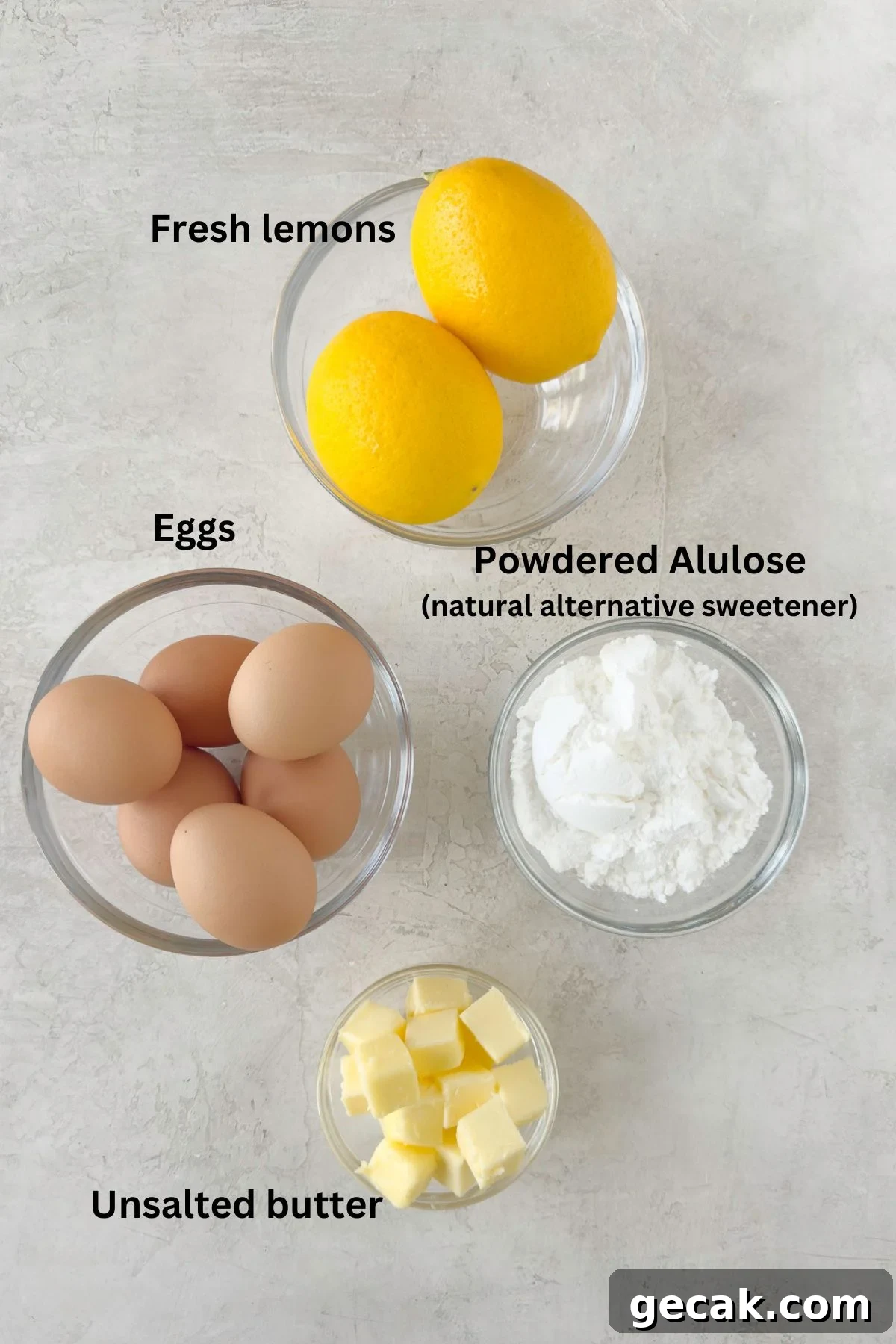
- Lemons: Fresh juice and zest. Eureka or Lisbon lemons are ideal for acidity; Meyer lemons are sweeter and may need added citric acid (see notes).
- Sweetener: Pure powdered allulose (not an allulose blend). Powdered allulose dissolves smoothly and won’t crystallize.
- Butter: Unsalted butter for the best flavor; use plant-based stick butter to make it dairy-free.
- Eggs: Large eggs; this recipe uses yolks for a rich texture, but whole eggs can be used if preferred.
- Powdered citric acid: Optional—use only with Meyer lemons to increase acidity and help the curd set.
See the recipe card below for exact measurements. If you end up with extra egg whites, they’re perfect for meringues.
Substitutions and Variations
- Dairy-free: Substitute a stick-style plant butter (avoid tubs) for a non-dairy version.
- Smoother texture: Omit lemon zest for an ultrasilky curd.
Chef’s note on sweeteners: Allulose is a naturally occurring sweetener found in small amounts in some fruits and syrups. It behaves like sugar in recipes but is not fully metabolized by the body, so it contributes minimal net carbs. Use pure powdered allulose for best results.
Does the Kind of Lemon Matter?
The acidity of your lemons affects how well the curd sets. Standard grocery lemons like Eureka or Lisbon have higher acidity and help the curd thicken. Meyer lemons are milder and sweeter with lower acidity; if you use them, add a small amount of powdered citric acid (about 1/4 teaspoon) to ensure the curd sets. Avoid thickening agents like xanthan gum, which can create a gummy texture.
Recipe Instructions
If you’ve never made curd before, follow these steps for a reliable result.
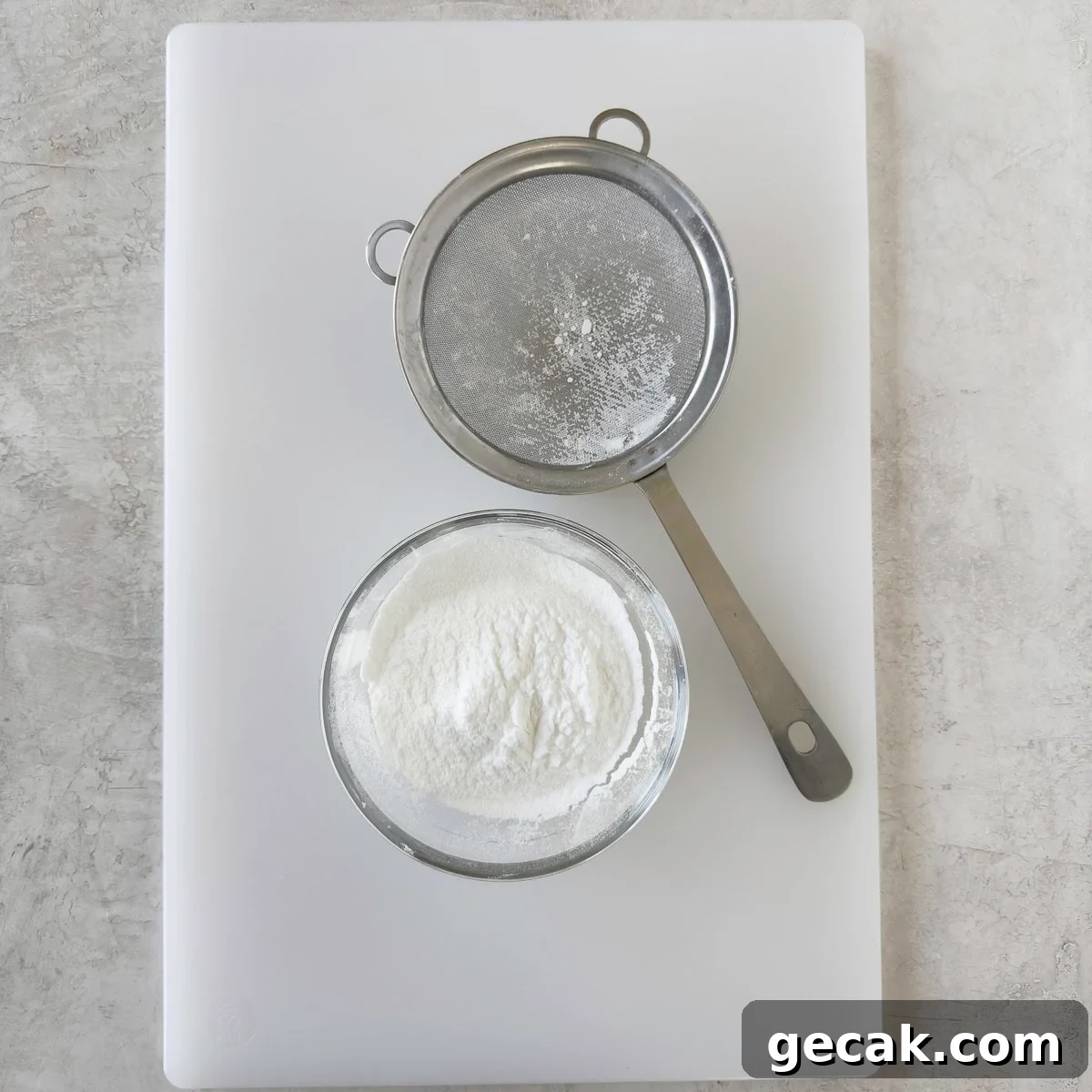
- Sift the powdered allulose to remove any lumps.
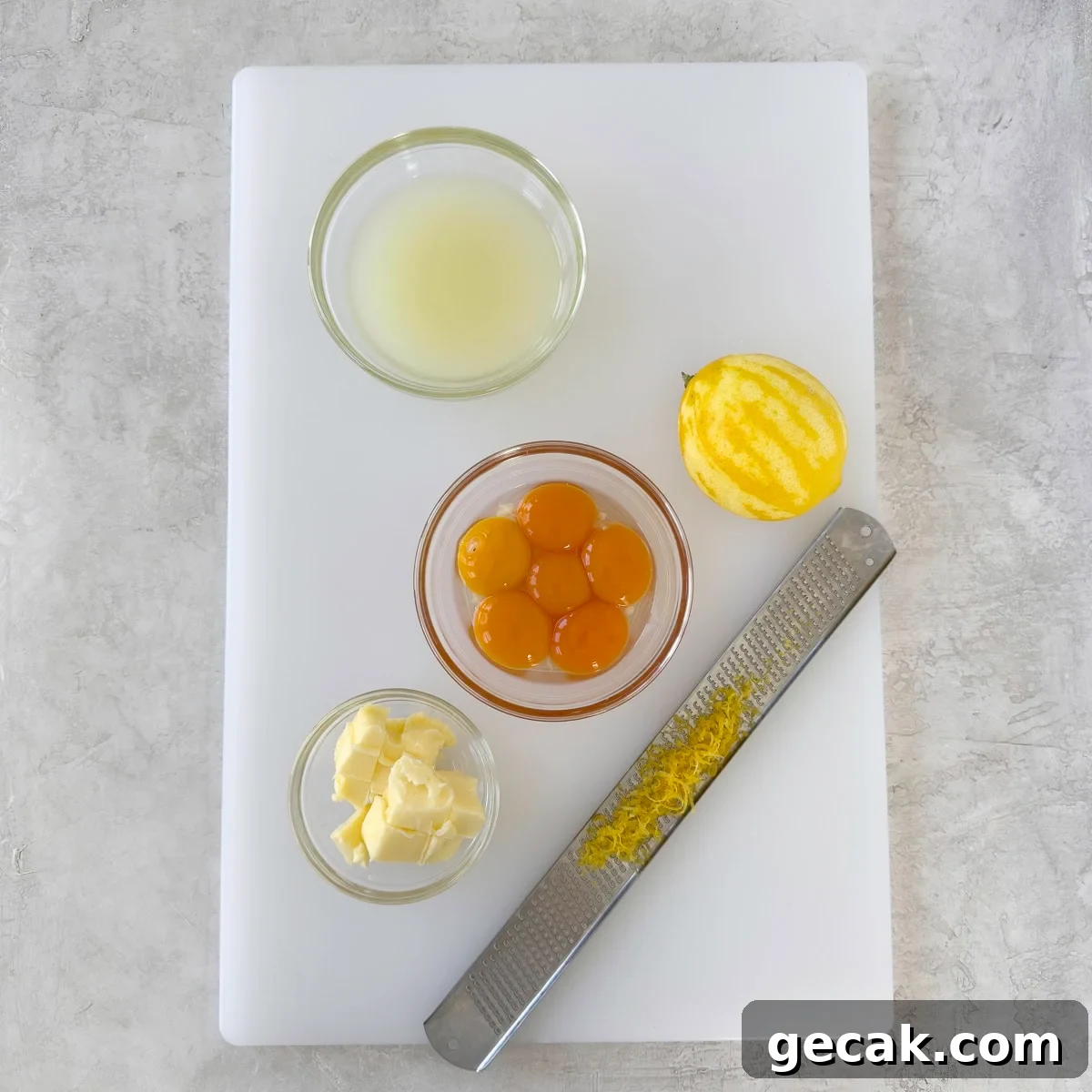
- Zest and juice the lemons, separate the eggs, and cube the butter.
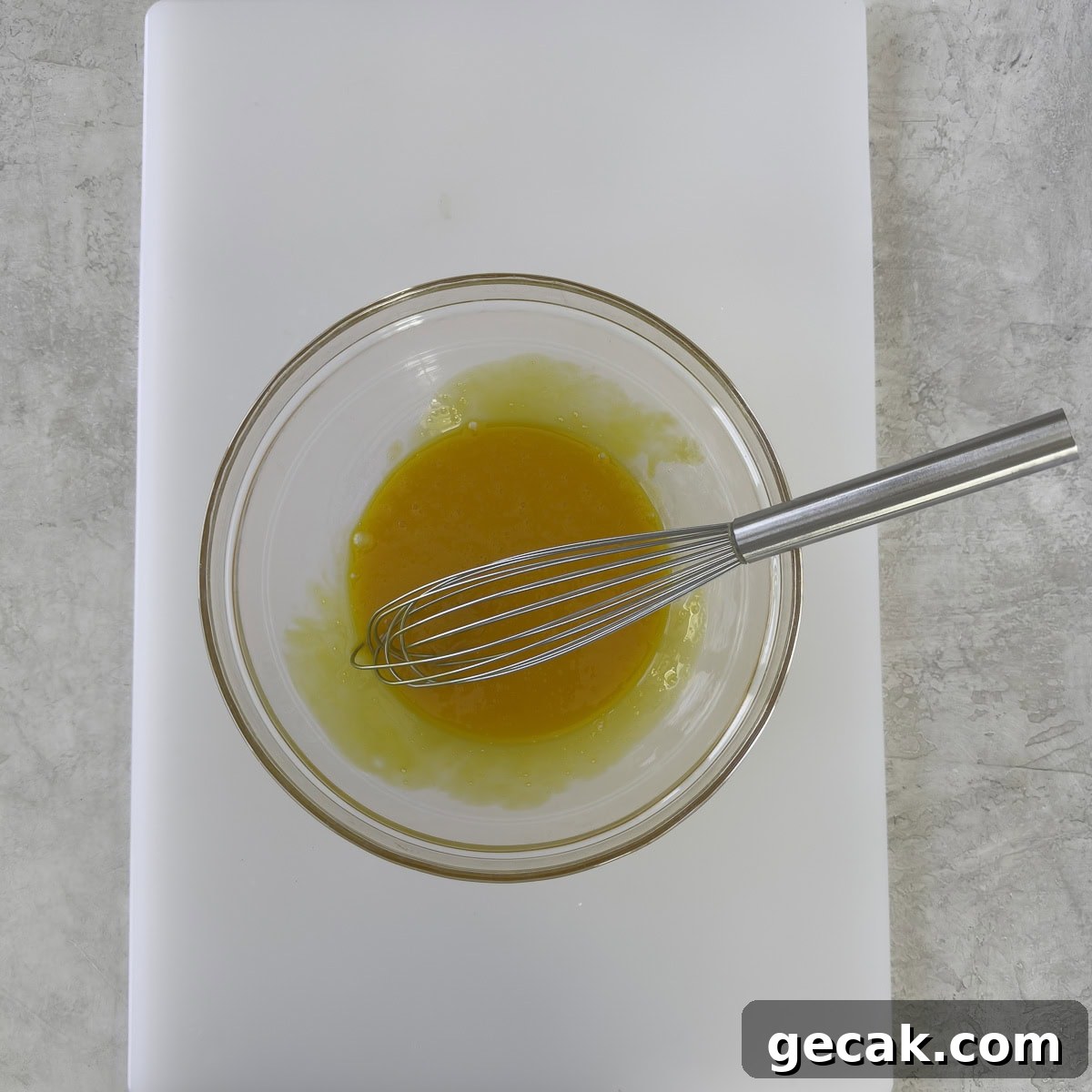
- Whisk the egg yolks until smooth.
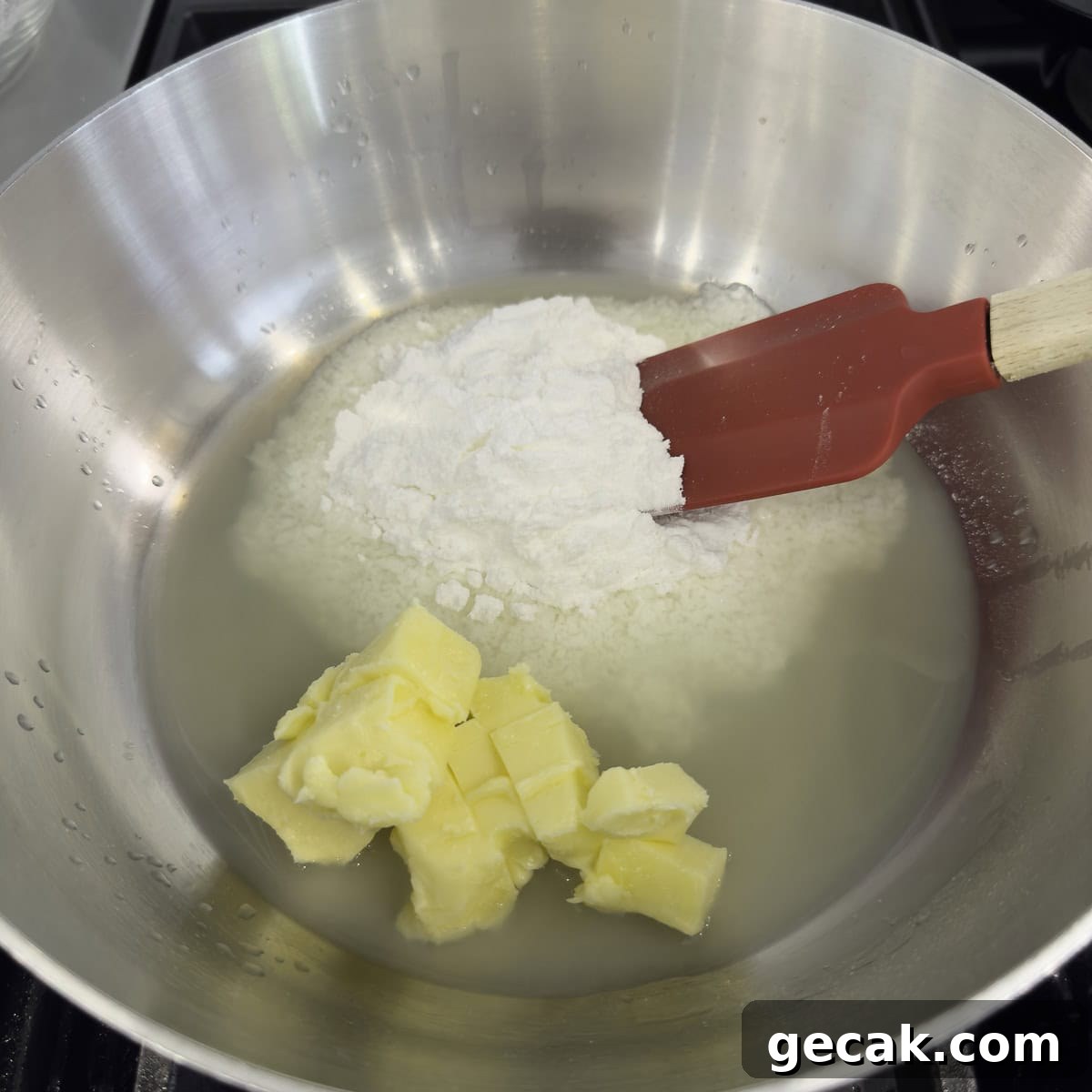
- In a medium saucepan, warm the lemon juice, sifted allulose, and butter over medium heat, whisking until smooth and melted.
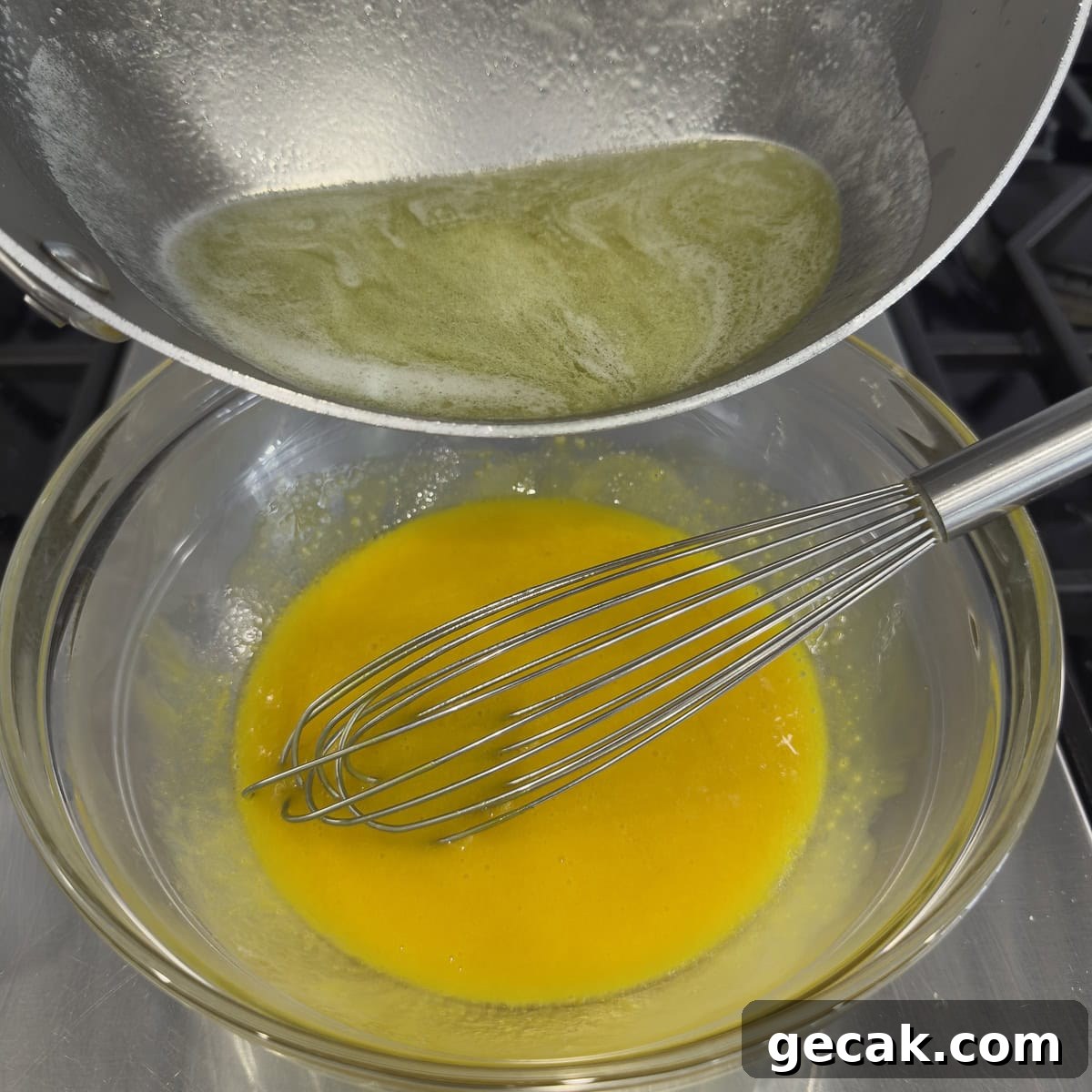
- Tempering: with the butter-lemon mixture hot, slowly drizzle a small stream into the whisked yolks while whisking constantly to raise their temperature without scrambling.
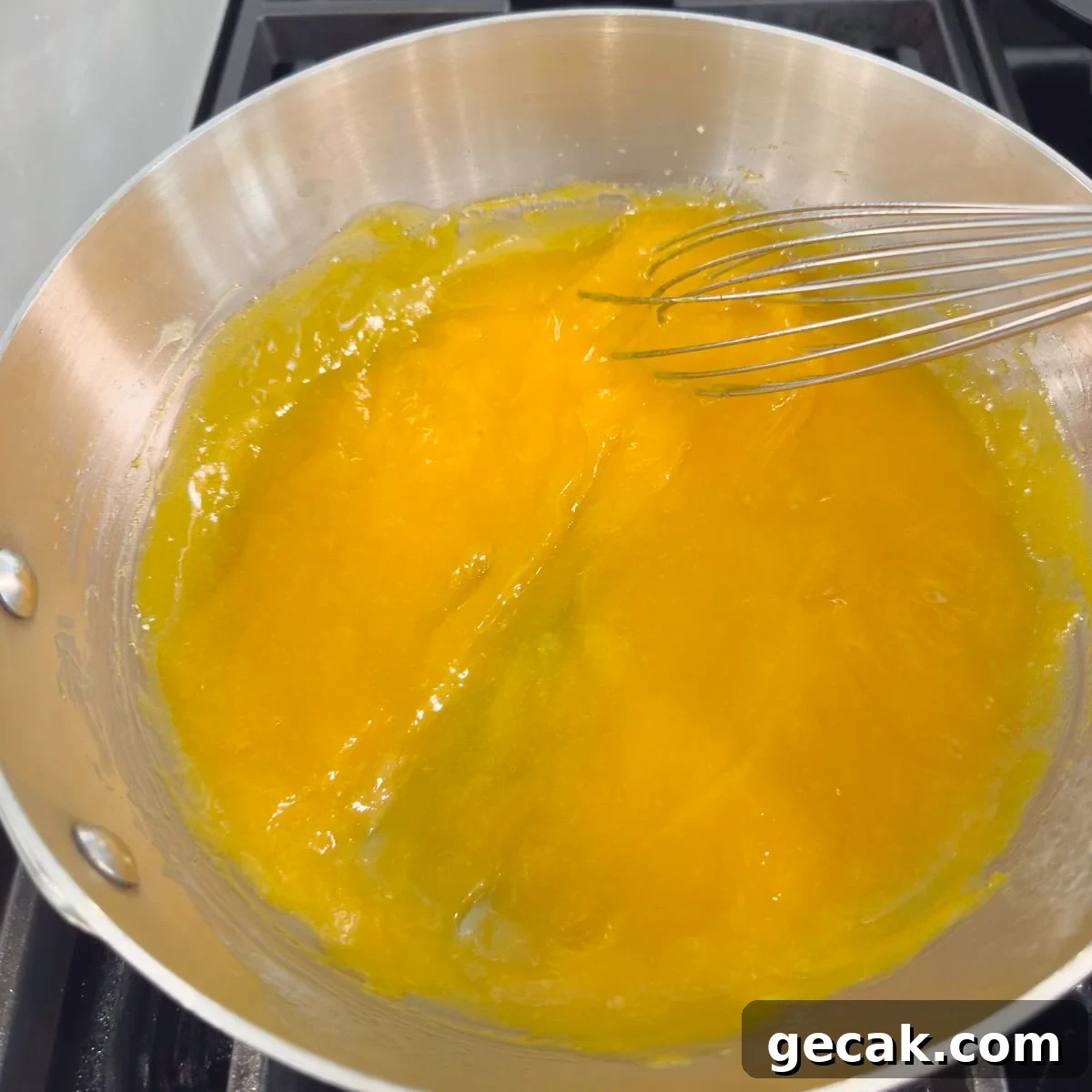
- Return the mixture to the pan and cook over medium-low, whisking constantly, until thickened and it registers 175–180°F (77–82°C), about 1–2 minutes.
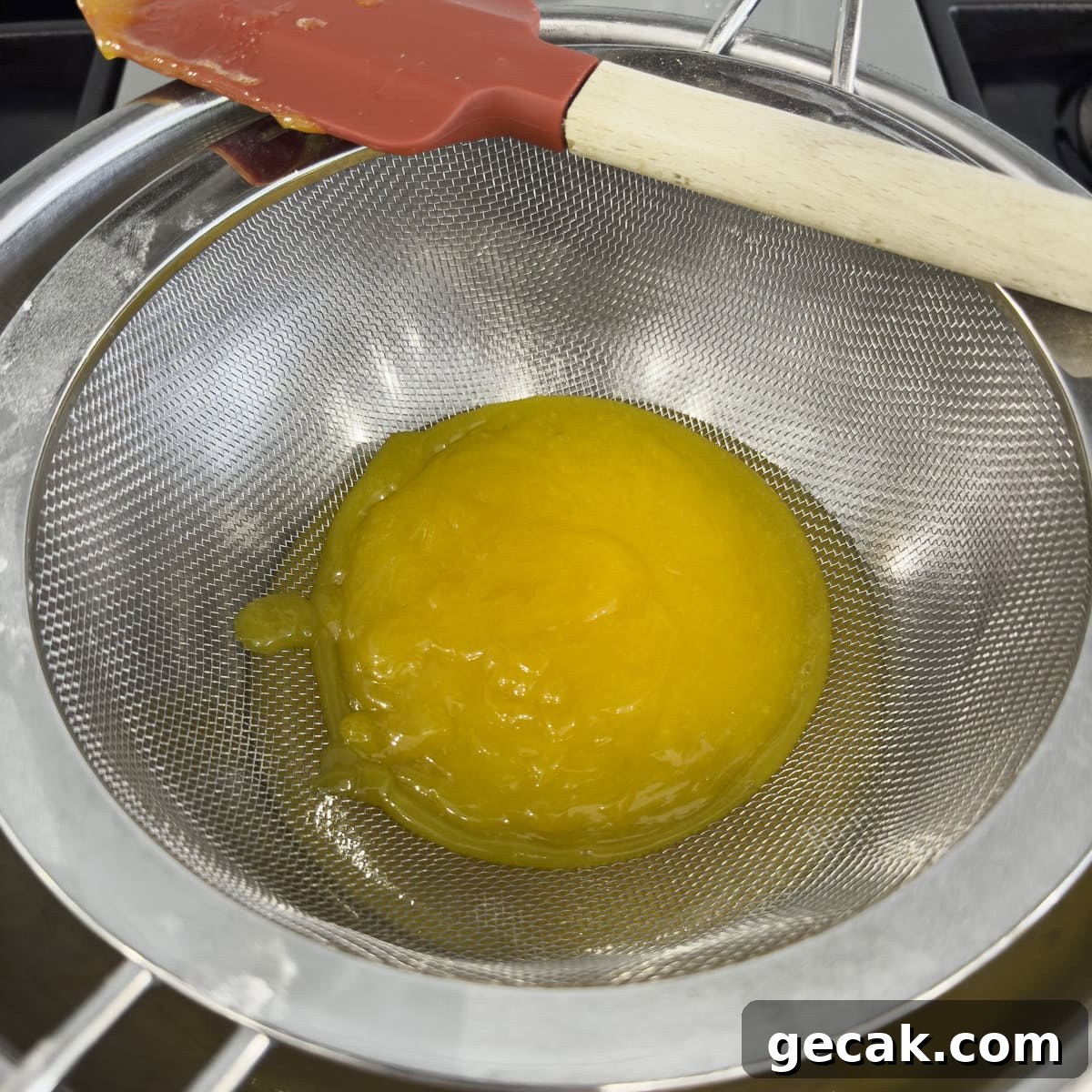
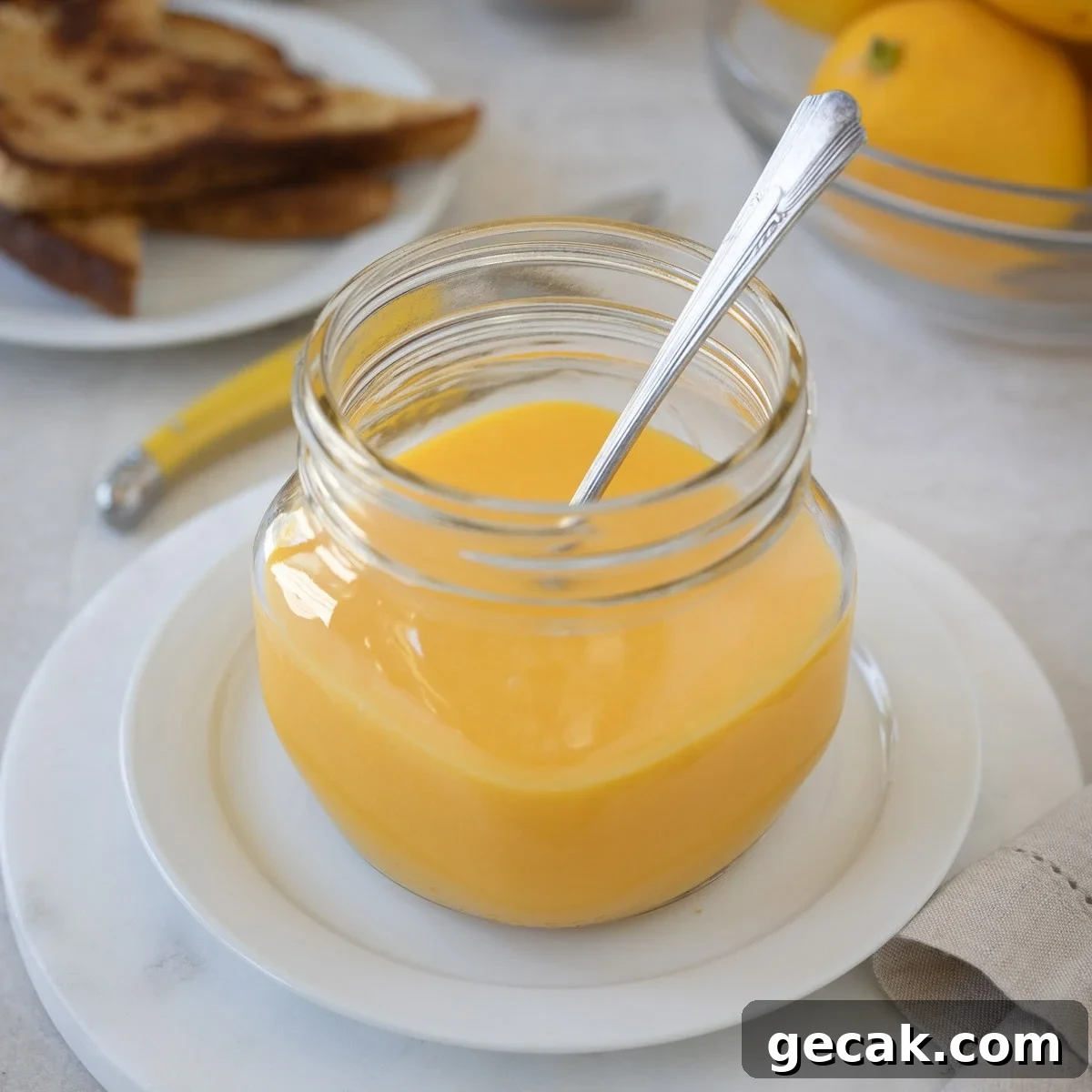
Pour the hot curd into a clean jar, seal, and refrigerate for at least 4 hours or overnight to thicken. If it firms up beyond your preferred consistency, stir in a little fresh lemon juice to loosen it.
Chef’s tip: Lime juice works similarly to lemon and will thicken well; lime makes for a sharper flavor. Try mixing lemon and lime juices for a lemon-lime curd.
How to Use Lemon Curd
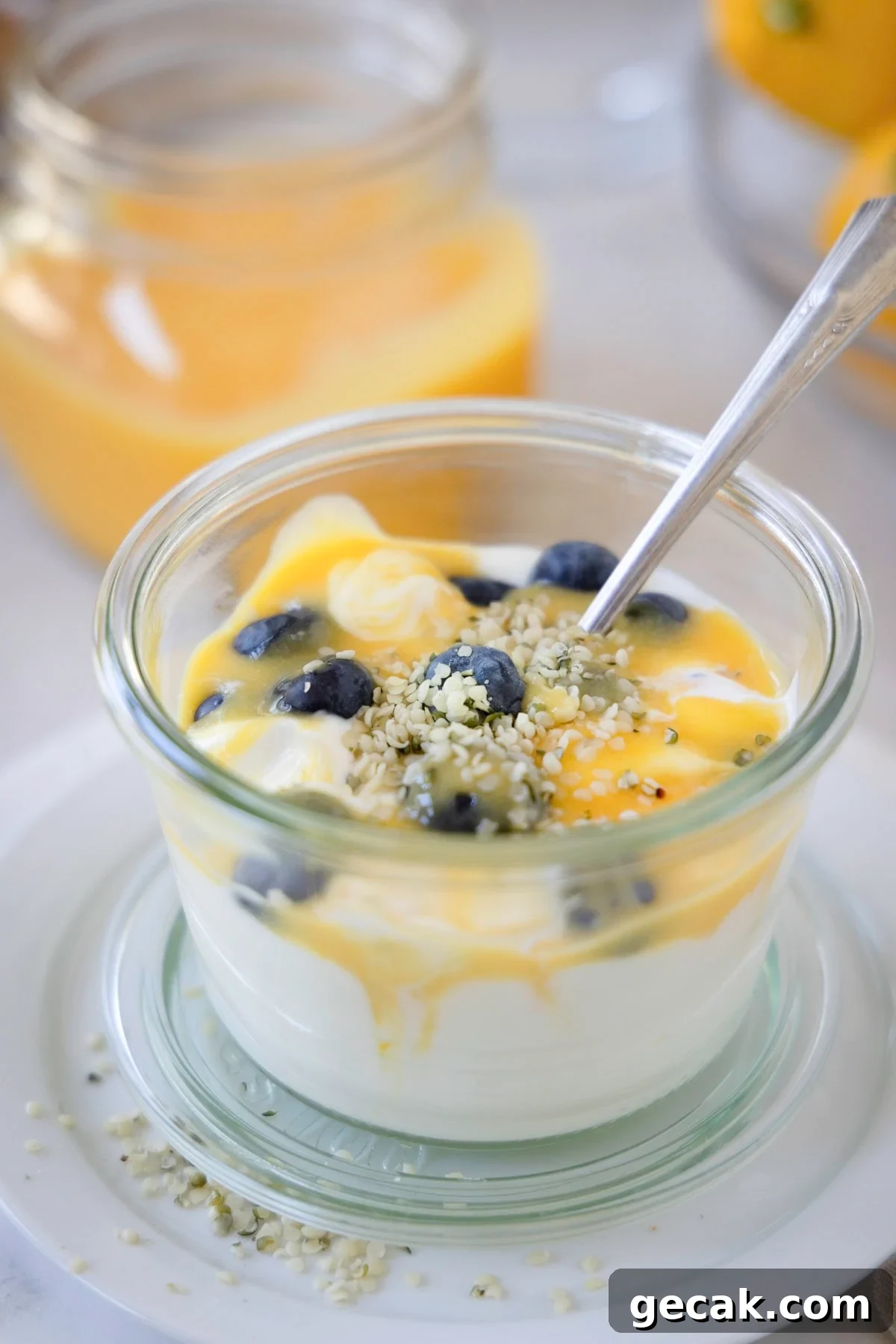
Ideas for serving sugar-free lemon curd:
- Spread between cake layers or use as a filling.
- Swirl into muffin or pancake batter for citrus bursts.
- Spread on toast, scones, or muffins.
- Fill crepes or top buckwheat pancakes and waffles.
- Dollop over vanilla ice cream or yogurt parfaits.
- Mix into oatmeal or overnight oats for a bright flavor.
- Fill cream puffs or pipe into cupcakes.
- Thin with lemon juice and pour over fresh fruit or cheesecake.
Storage & Freezing
Store lemon curd in an airtight container in the refrigerator for up to one month. For longer storage, freeze it for up to three months—leave about 1/2 inch of headspace in the container. Thaw in the refrigerator for 24–48 hours and stir before using.
Recipe FAQs
Lemon curd thickens as it cools; if it’s still thin after chilling, it may not have cooked long enough. Cook until it coats the back of a spoon and reaches 175–180°F (77–82°C). The lemon variety also matters—Eureka/Lisbon lemons have higher acidity and set better than Meyer lemons unless citric acid is added.
Yes. Butter adds richness and silkiness, but you can omit it or substitute a stick-style plant butter for a dairy-free curd.
Use fresh lemon juice for the best bright flavor and consistent acidity. Bottled juice often lacks freshness and can vary in acidity, which affects setting.
Strain the cooked curd through a fine-mesh sieve to remove any cooked egg bits. Skipping the zest also creates a smoother texture.
More Lovely Lemon Recipes
If you love lemon, try other citrus-forward recipes for both sweet and savory dishes.
-
Easy Blender Lemon Chicken Marinade
-
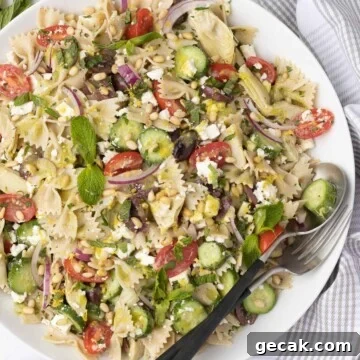
Mediterranean Pasta Salad
-
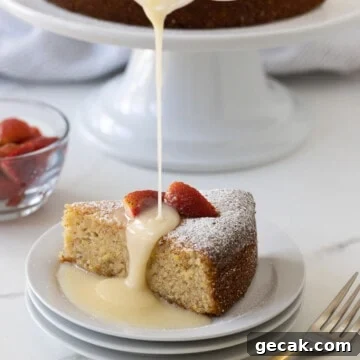
Lemon Olive Oil Cake
-
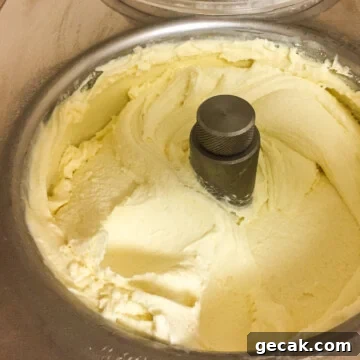
Homemade Lemon Gelato

Did You Make Lemon Curd?
If you try this sugar-free lemon curd, please leave a comment and rating to share your experience—feedback helps others decide and lets me know how it turned out for you.
📖 Recipe

Sugar-free Lemon Curd
Sally Cameron
Equipment
- Fine strainer
- 3-quart saucepan or saucier
- Whisk
- Microplane zester
- Citrus juicer
- Digital kitchen thermometer (recommended)
Ingredients
- 4 tablespoons unsalted butter
- ¾ cup pure powdered allulose, sifted
- 6 large egg yolks
- 2 large lemons, juiced and zested (about ½ cup juice)
- ¼ teaspoon powdered citric acid (for Meyer lemons only)
Instructions
Prep work
- Separate the eggs and reserve the whites for another use. Sift the powdered allulose. Juice and zest the lemons and strain the juice—you need about ½ cup.
Cook the lemon curd
- Melt the butter in a pan over medium-low. Add the lemon juice (and citric acid if using) and the sifted allulose, whisking until smooth. Whisk the yolks in a medium bowl until smooth.
- When the butter-lemon mixture is hot, slowly drizzle it into the egg yolks while whisking constantly to temper the eggs.
- Return the combined mixture to the pan and cook over medium-low, whisking constantly, until it thickens and reaches 175–180°F (77–82°C). Immediately strain through a fine-mesh sieve and stir in zest if desired.
- Pour into a clean jar, seal, and refrigerate at least 4 hours or overnight to set. If too thick after chilling, thin with a little fresh lemon juice.
- Store refrigerated up to one month or freeze up to three months. Thaw in the refrigerator 24–48 hours before using and stir well.
Notes
Carbs: Allulose is not metabolized like regular sugar, so most carbs come from lemon juice; net carbs are very low.
Meyer lemon note: If using Meyer lemons, add ¼ teaspoon powdered citric acid to the measured allulose to help the curd set.
Nutrition
Calories: 122 kcal
Carbohydrates: 1 g
Protein: 3 g
Fat: 12 g
Let us know how it was with a comment and a star rating!