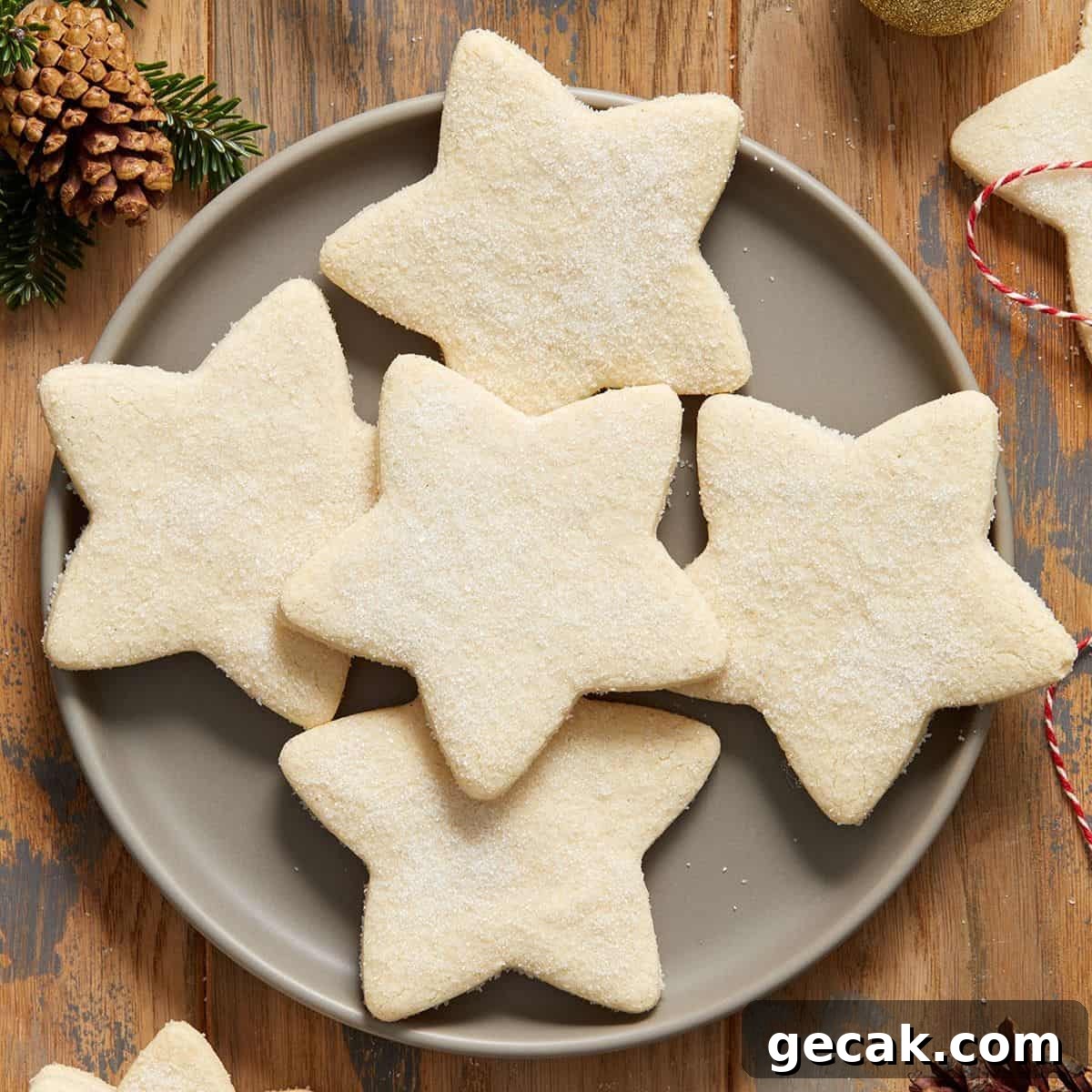
My Gluten-Free Shortbread Cookies are a timeless festive treat, adapted from my Great Aunt Edie’s classic recipe and successfully converted to gluten-free. These shortbread cookies are rich, buttery and melt-in-the-mouth, made with just four simple ingredients and straightforward steps. They’re ideal for a Christmas cookie box or to enjoy with a hot drink.
This recipe was a HUGE hit! Highly recommend you try it out. Easy to make, so tasty and everyone loved them 😍 And the perfect cookie to dip in your coffee!
– Tamara
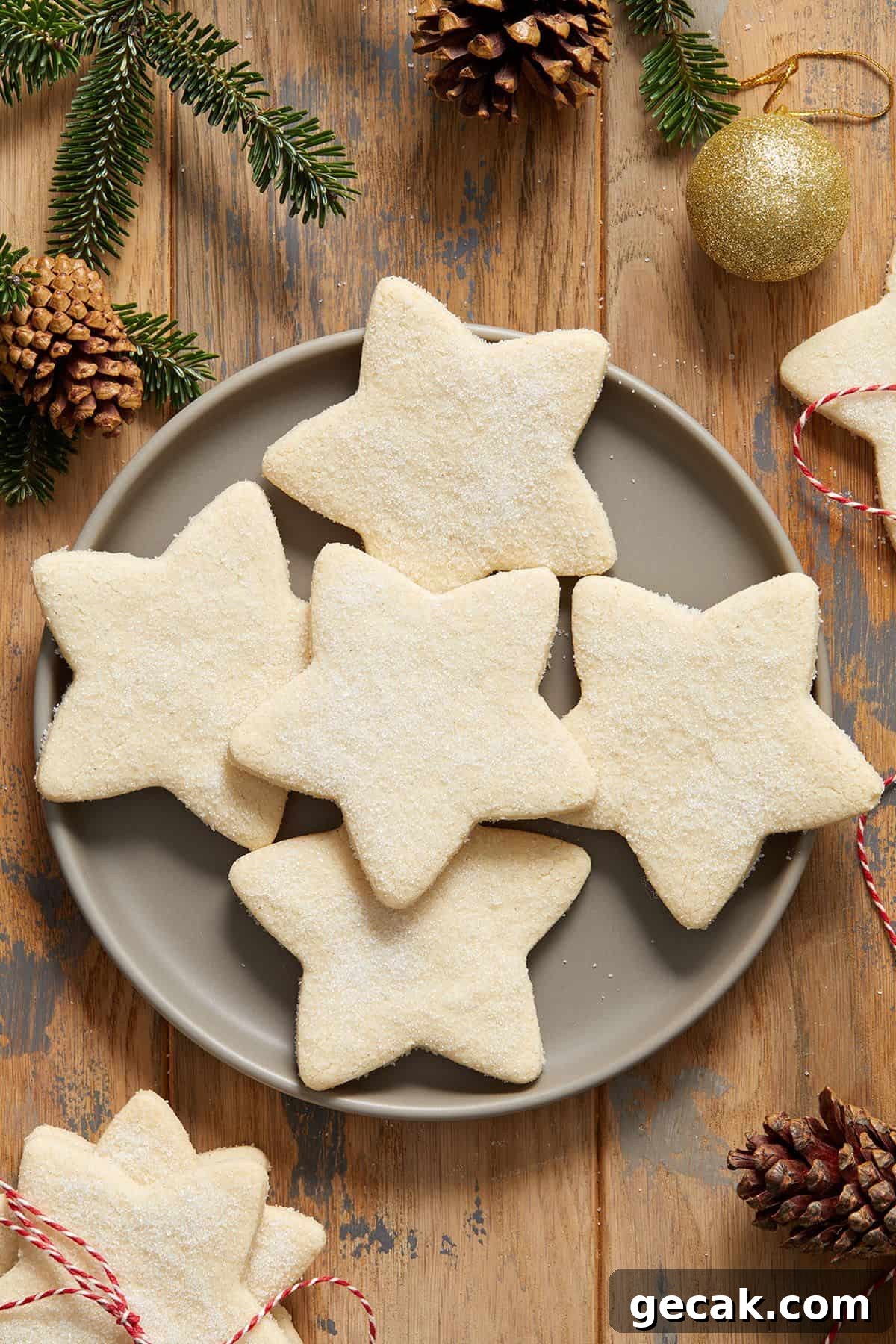
Why You’ll Love This Recipe:
- Made from everyday ingredients that are easy to source or likely already in your pantry.
- Simple to prepare and delightful with a cup of tea or coffee.
- Presents beautifully in a tin or box, making a lovely Christmas gift.
- This minimal-ingredient shortbread proves that less is often more: delicate, buttery flavour with a tender texture.
- Suitable for many dietary needs — gluten-free, egg-free and nut-free.
Recipe Inspiration: This is my Great Aunt Edie’s shortbread adapted for gluten-free flour. Traditional Scottish shortbread is an unleavened biscuit made from butter, sugar and flour in a classic ratio; this version adds a little cornflour for extra tenderness and an ultra-fine crumb. It’s a deceptively simple recipe that delivers excellent flavour and texture.
Ingredients and Substitutions:
See the recipe card below for exact quantities and the full method.
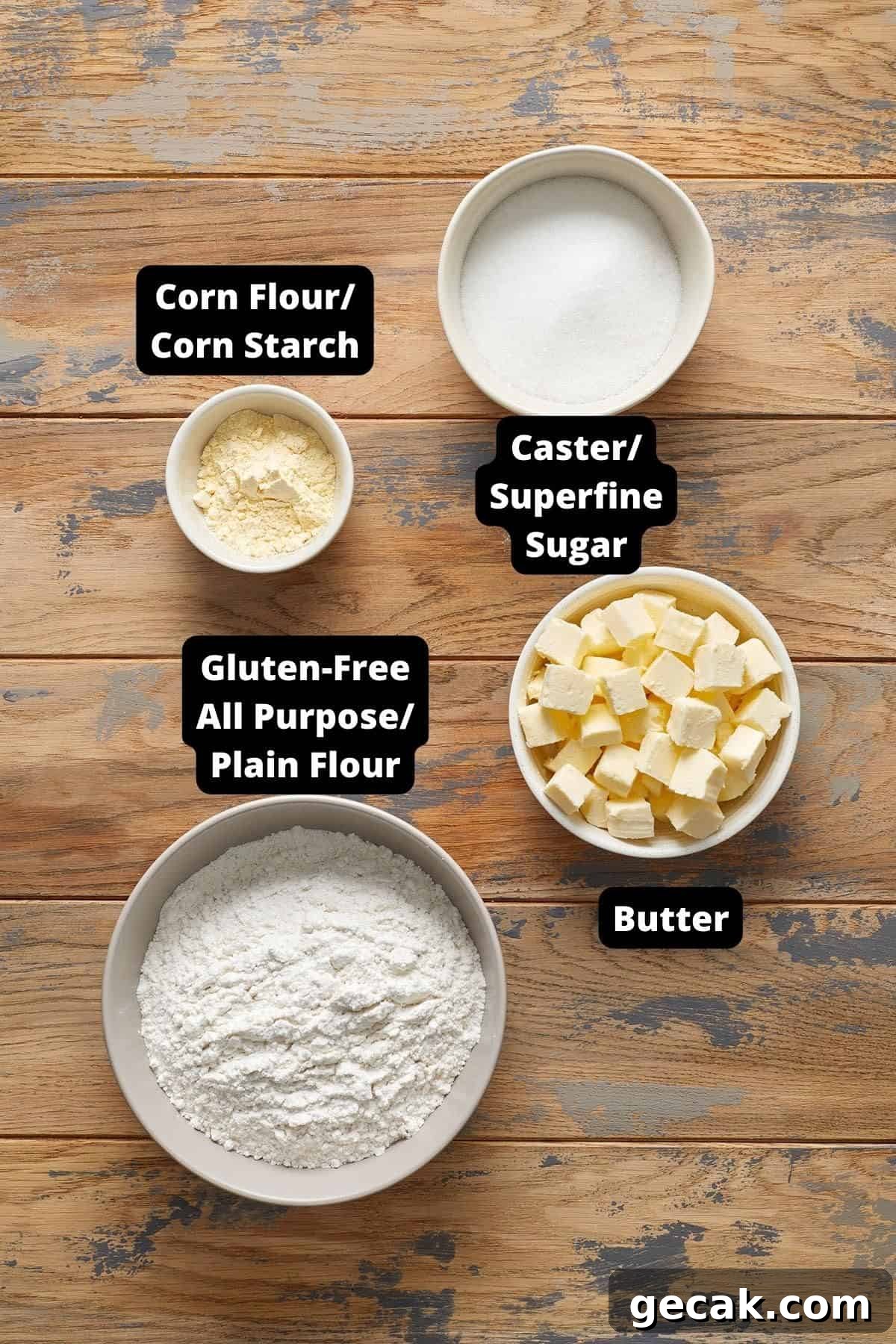
- Butter: Use good-quality unsalted butter for the best flavour and richness. Keep it cool but spreadable.
- Caster (superfine) sugar: Dissolves quickly and gives a fine texture. If you only have granulated sugar, pulse it briefly in a blender to reduce the granules (avoid turning it into powdered sugar).
- Gluten-free plain/all-purpose flour: Use a reliable commercial gluten-free blend that contains xanthan gum for structure. This recipe was developed with such blends in mind.
- Cornflour (cornstarch): Adds tenderness. Ensure it’s gluten-free (not made from wheat) if you need to keep the recipe strictly gluten-free.
Variations:
Use any cutter to match the season — stars for Christmas, simple rounds year-round. For slice-and-bake cookies, shape the dough into a log about 4 cm (1½ in) in diameter using cling wrap, chill until firm (about 30 minutes), then slice and bake. Shortbread is traditionally undecorated, but a drizzle of melted chocolate makes a lovely finishing touch.
How to Make Gluten-Free Shortbread:
See the recipe card below for exact quantities and the full method.
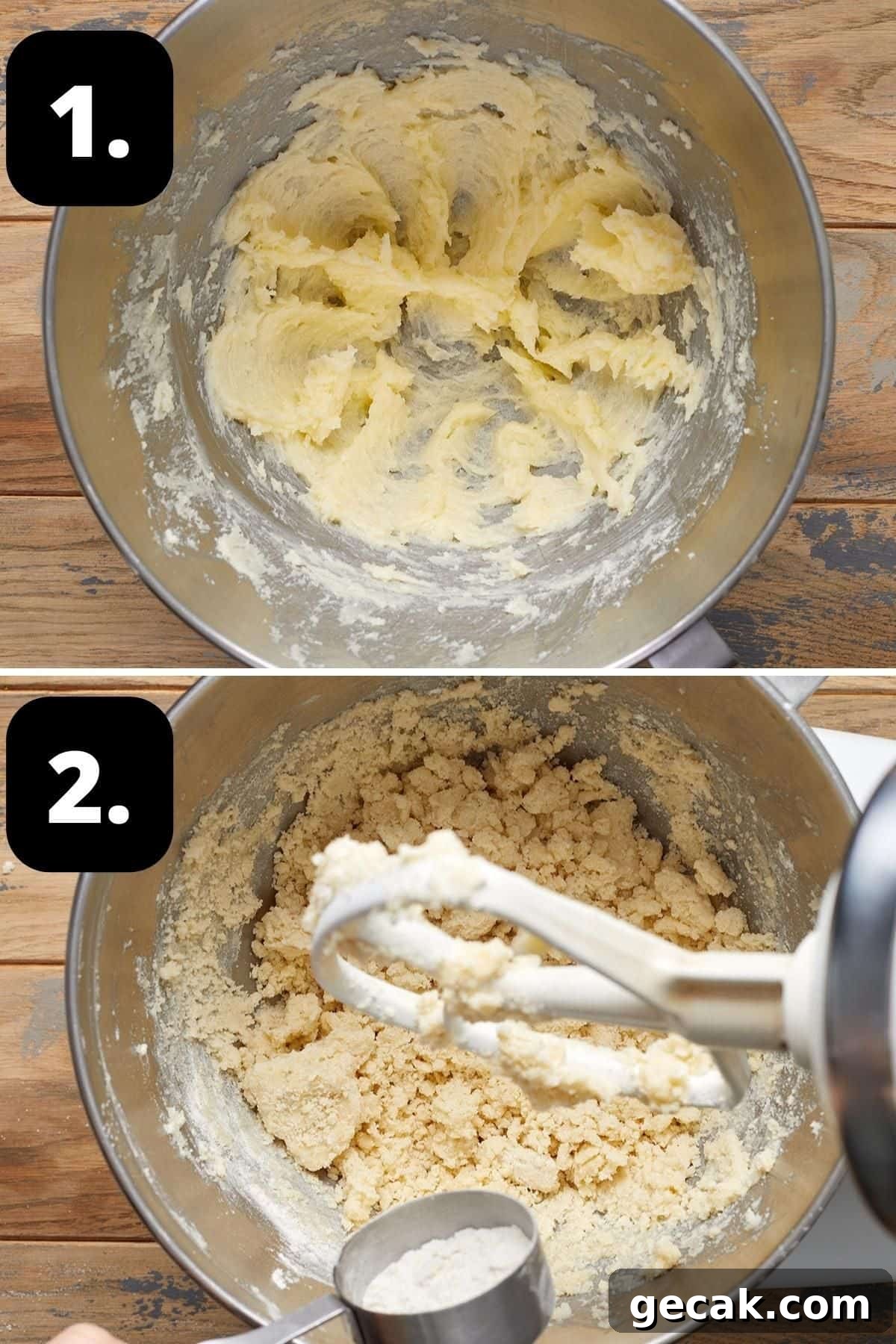
1 – Cream the butter and sugar:
In a stand mixer or with handheld beaters, cream cubed, cool butter with caster sugar on medium speed until pale and creamy (about 3 minutes). Scrape the bowl as needed. Avoid overbeating to prevent too much air in the dough.
2 – Add the flours:
Combine the gluten-free flour blend and cornflour in a small bowl. Add the flour mix gradually to the creamed butter on the lowest mixer speed until combined. Turn the dough onto cling wrap, shape into a roughly 15 cm (6 in) square, cover and chill for 15 minutes.
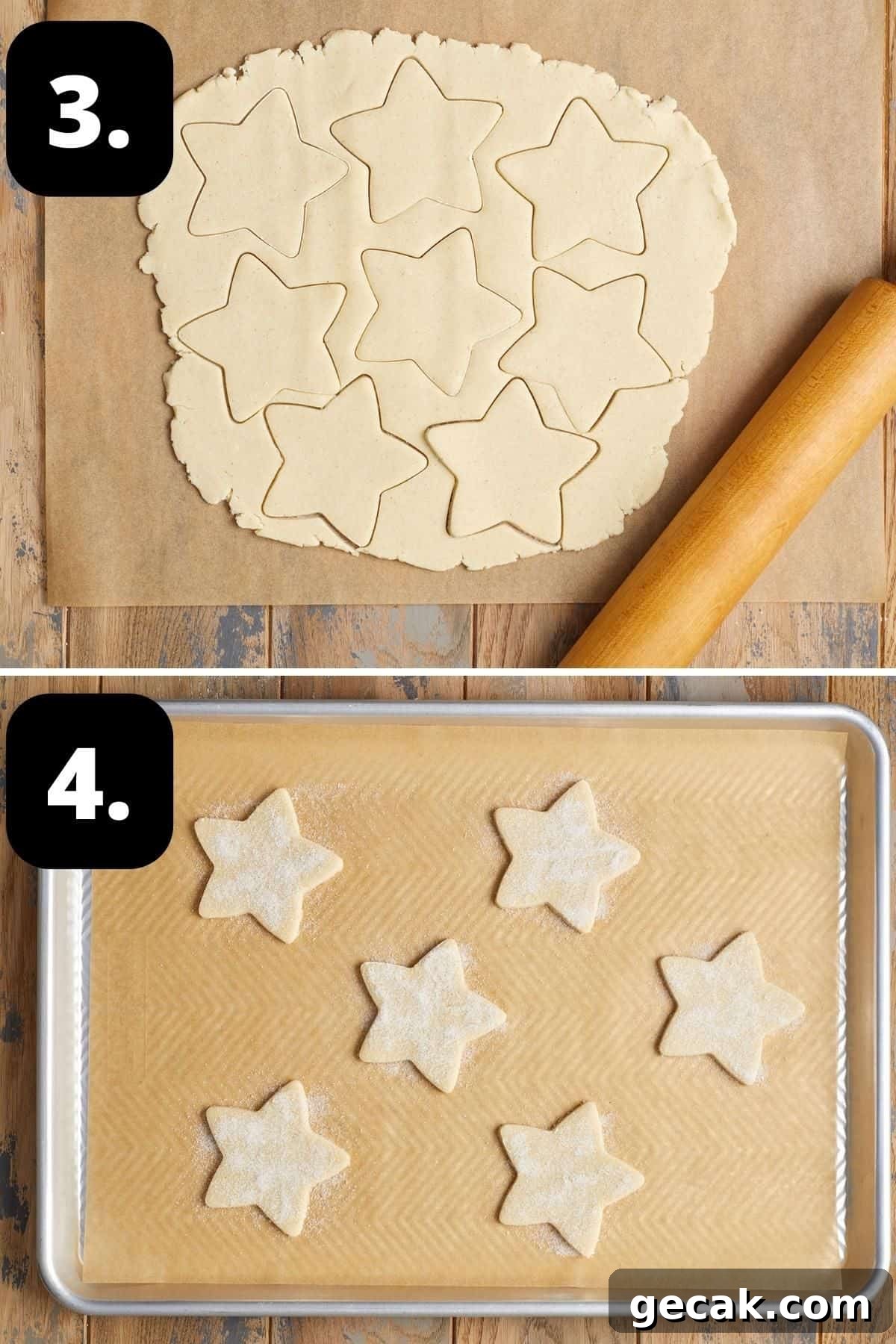
3 – Roll and cut:
Remove the dough from the fridge and roll it between two sheets of non-stick baking paper to about 1 cm (¼ in) thickness. If the dough cracks because it’s too cold, let it rest a few minutes; if it’s too soft, chill briefly. Use your chosen cutter to cut shapes, re-rolling scraps as needed.
4 – Chill and bake:
Transfer shapes to prepared trays using a spatula, sprinkle lightly with extra caster sugar and chill on the trays for 15–30 minutes so they hold their shape. Preheat the oven to 150°C (300°F) fan-forced and bake for about 40 minutes, turning trays halfway. Shortbread is traditionally pale, so bake at a low temperature to avoid colouring. Cool on the tray for 10 minutes, then transfer to a rack to finish cooling.
Hint: Chilling the dough and shaped biscuits is essential to prevent spreading and to preserve the shortbread’s delicate texture.
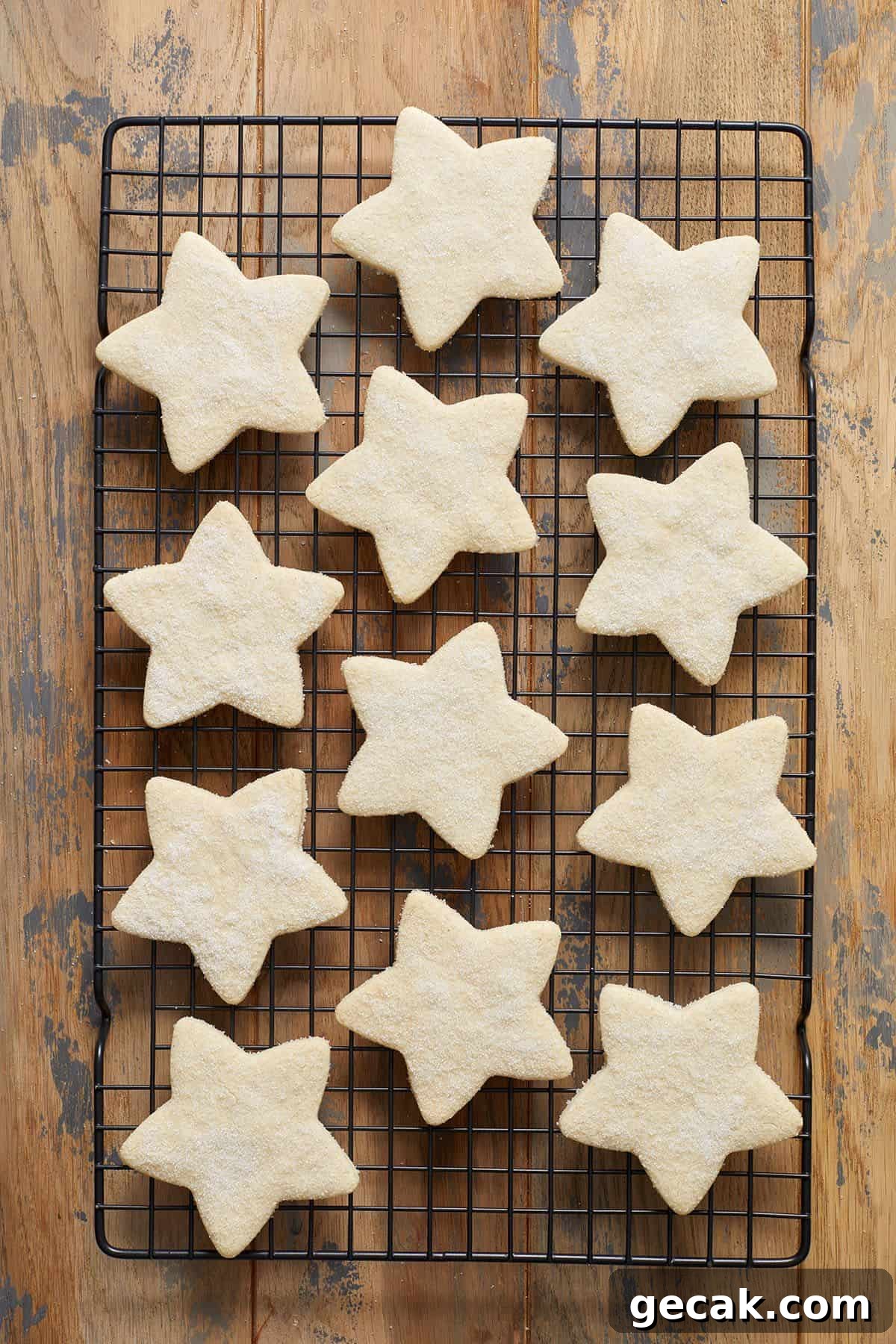
Tips for Success, Storage and FAQs:
Shortbread gets its name from the high butter content, which creates a “short” (crumbly and tender) texture rather than a chewy one.
No. Traditional shortbread contains no leavening agent.
Yes. The dough re-rolls well with minimal difference between the first and subsequent rolls.
Store in an airtight container in a cool, dry place for up to five days. In warm weather, consider freezing portions to preserve texture.
Yes. Once fully cooled, freeze in a single layer on a tray. After freezing, transfer to an airtight container for up to one month, separating layers with baking paper. Thaw at room temperature.
Top Tip:
With so few ingredients, quality matters. Use the best butter you can for the most flavour. The terms “shortbread,” “biscuits” and “cookies” are used interchangeably here to suit readers in different countries.
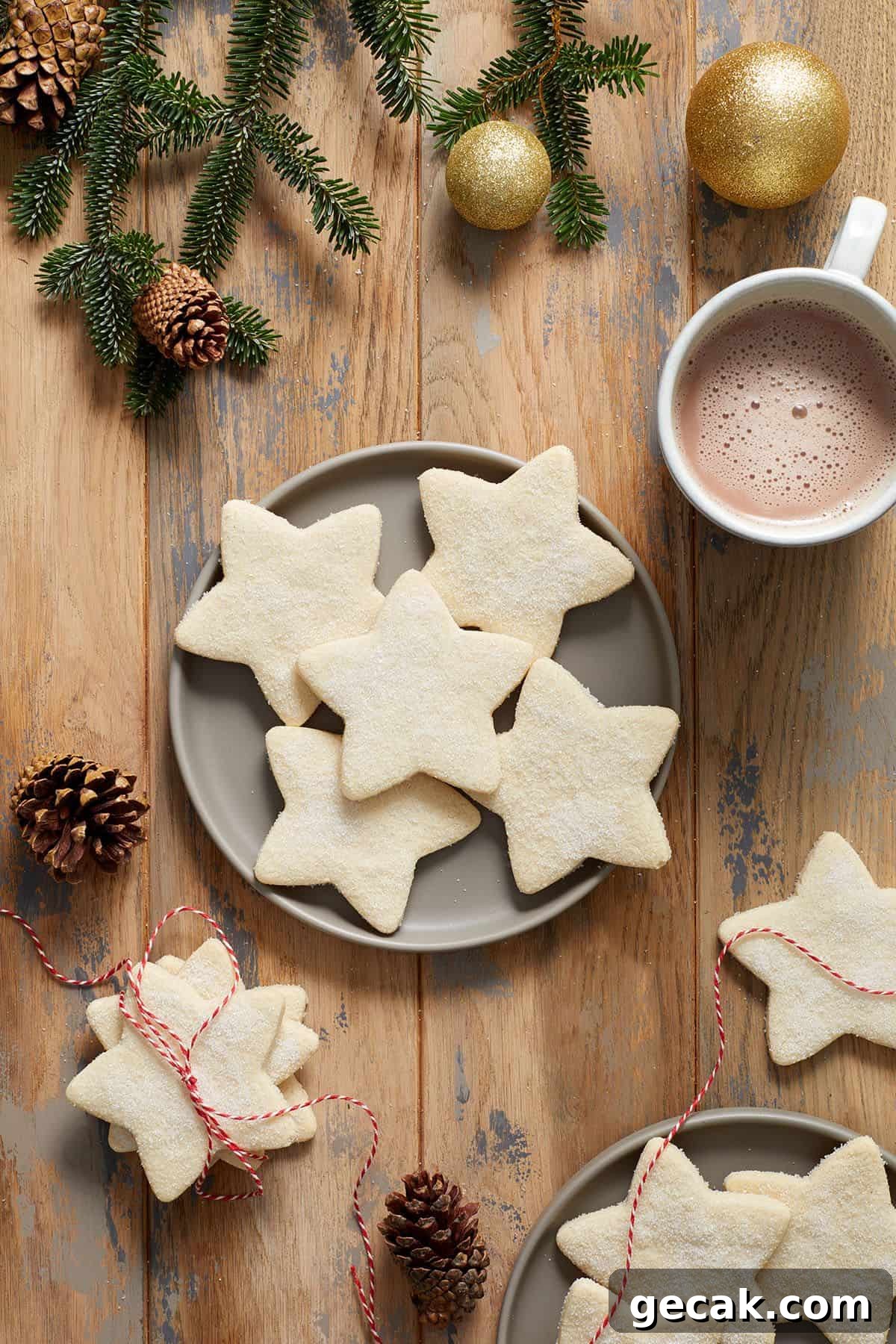
Serving Suggestions:
Here are a few ways to enjoy these gluten-free shortbread cookies:
- Serve at morning or afternoon tea alongside coffee or hot chocolate.
- Package in a pretty tin or box for a thoughtful homemade Christmas gift.
- Pair with a soft dessert, such as vanilla ice cream, for textural contrast.
I hope you enjoy these special, buttery Gluten-Free Shortbread Cookies. If you try them, I’d love to hear how they turned out!
Alex xx
More Delicious Recipes For You To Try:
-
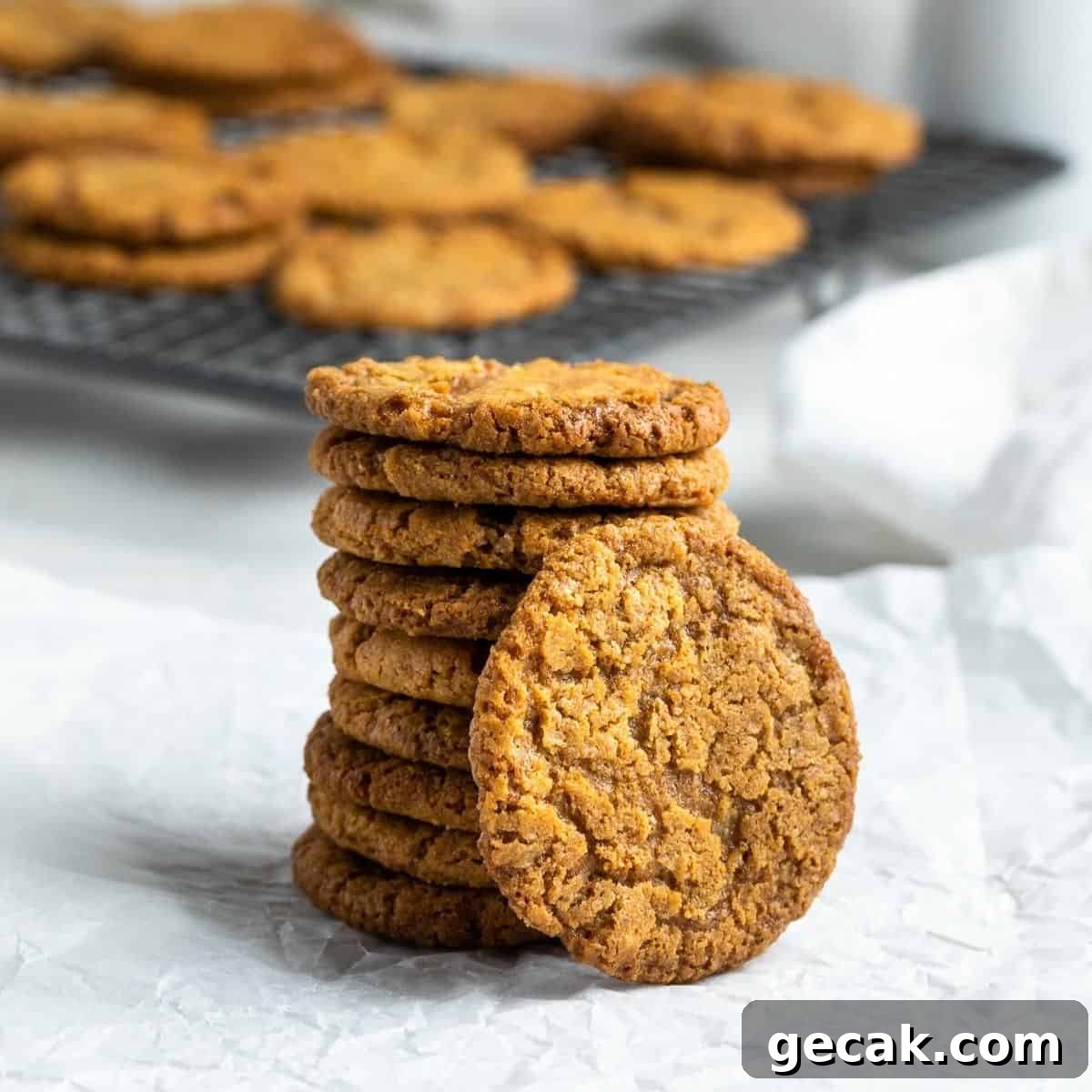
Gluten-Free Gingernut Cookies
-
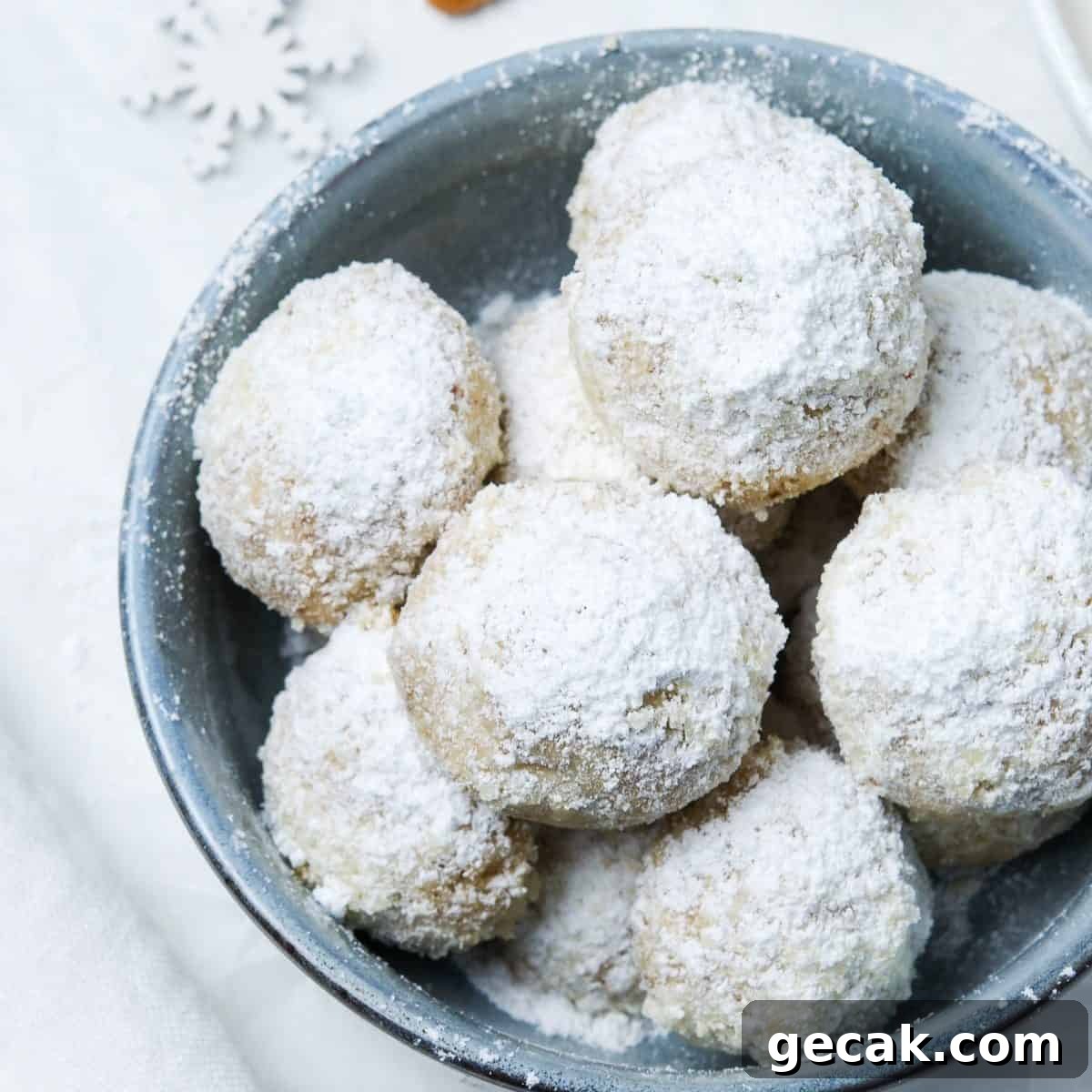
Gluten-Free Pecan Snowball Cookies
-
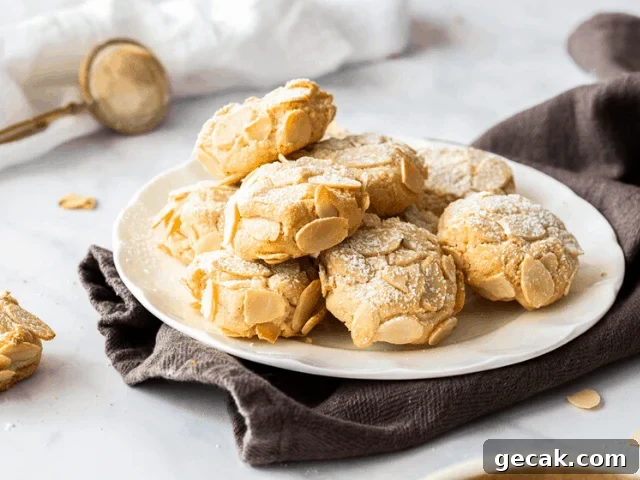
Gluten-Free Almond Cookies
-
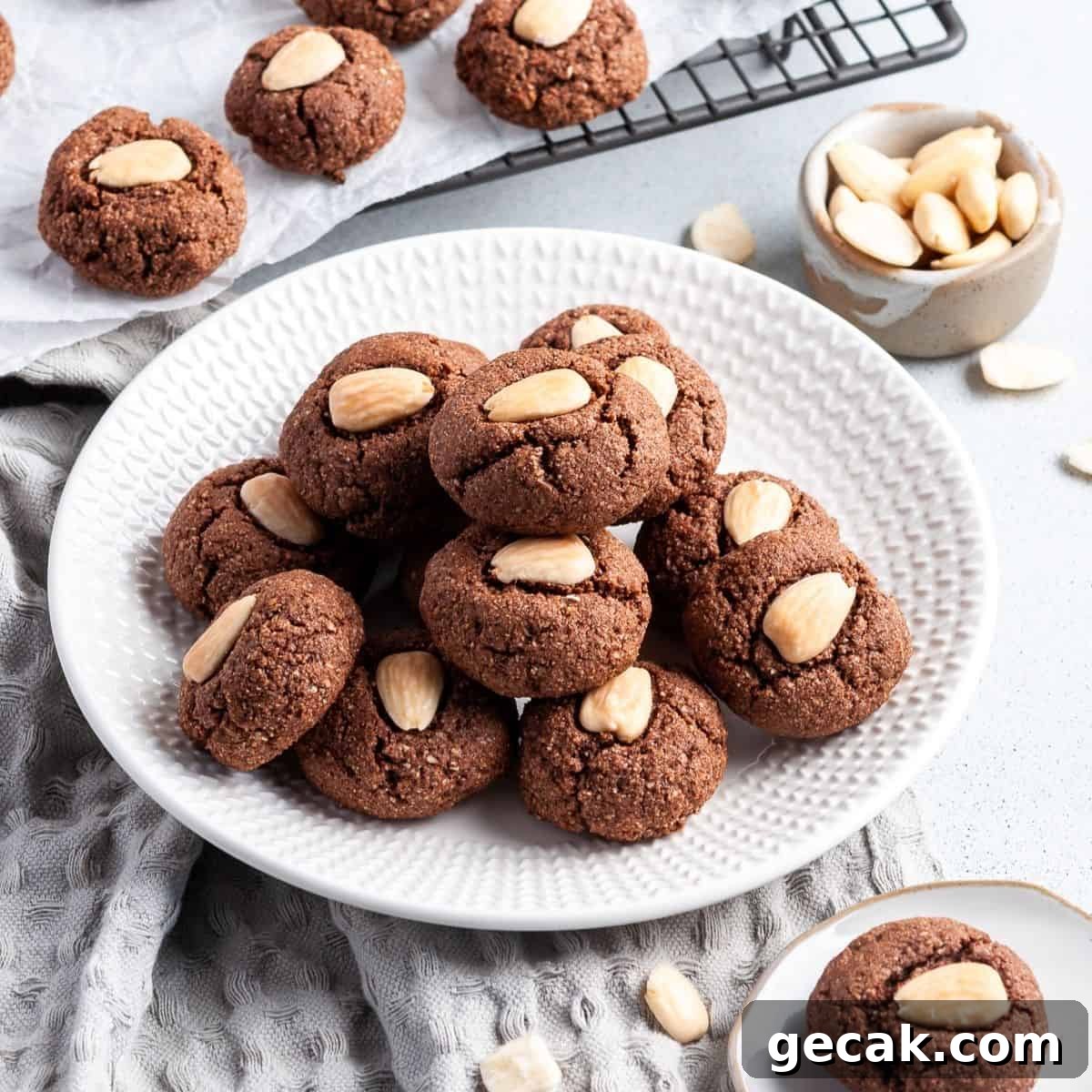
Chocolate Almond Flour Cookies (Gluten-Free)
Stay in touch!
Subscribe to the blog newsletter or follow on social media for more recipes and updates.
Gluten-Free Shortbread Cookies
Equipment
- star cookie cutter – 8 cm (3 ¼ inches) from point to point (or preferred cutter)
Ingredients
- 125 g unsalted butter, cubed and at cool room temperature
- 65 g caster (superfine) sugar
- 200 g all-purpose/plain gluten-free flour (blend containing xanthan gum)
- 1 tablespoon gluten-free cornflour (cornstarch)
Topping:
- 2 tablespoons caster (superfine) sugar
Instructions
- Line two large baking trays with non-stick baking paper. Ensure you have space in the fridge for the trays. When ready to bake, preheat the oven to 150°C (300°F) fan-forced.
- Stir the gluten-free flour and cornflour together in a small bowl.
- Add the cubed butter and sugar to a stand mixer or bowl. Cream on medium speed until pale and creamy, about 3 minutes, scraping down the bowl once or twice. Do not overbeat.
- Add the flour mixture gradually (about ¼ cup at a time) on the lowest speed until combined.
- Turn the dough onto cling wrap and bring together into a square roughly 15 cm (6 in). Cover and chill for 15 minutes.
- Remove from the fridge and roll the dough between two sheets of non-stick baking paper to 1 cm (¼ in) thickness. If the dough cracks, let it warm slightly; if too soft, chill briefly.
- Cut shapes with a cutter, re-rolling scraps as needed. Transfer cookies to the prepared trays with a spatula, smooth minor cracks by hand, sprinkle with the extra sugar and chill on the trays for 15 minutes.
- Bake in the preheated oven for about 40 minutes, turning trays at 20 minutes. Shortbread should remain pale when cooked at low temperature.
- Allow the shortbread to cool on the tray for 10 minutes before transferring to a wire rack to cool completely.
Notes
- Butter: On hot days, don’t leave butter out too long—keep it cool but spreadable (around 18°C / 65°F).
- Flour: Use a quality gluten-free blend with xanthan gum. Recommended blends include 1:1 mixes from reputable brands.
- Tablespoon: This recipe uses a 20 ml tablespoon. If your tablespoon is smaller, use 1 tablespoon + 1 teaspoon for each listed tablespoon.
- Storage: Store cookies in an airtight container in a cool, dry place for up to five days.
- Freezing: Freeze cooled cookies in a single layer, then transfer to an airtight container for up to one month. Thaw at room temperature.
Nutritional Disclaimer:
Nutritional information is an estimate derived from online calculators. For precise values, calculate using the specific brands and ingredients you use.