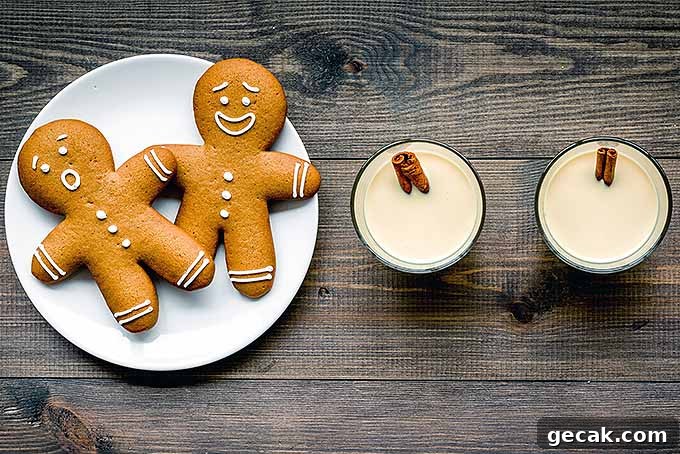
Everybody has an opinion about eggnog.
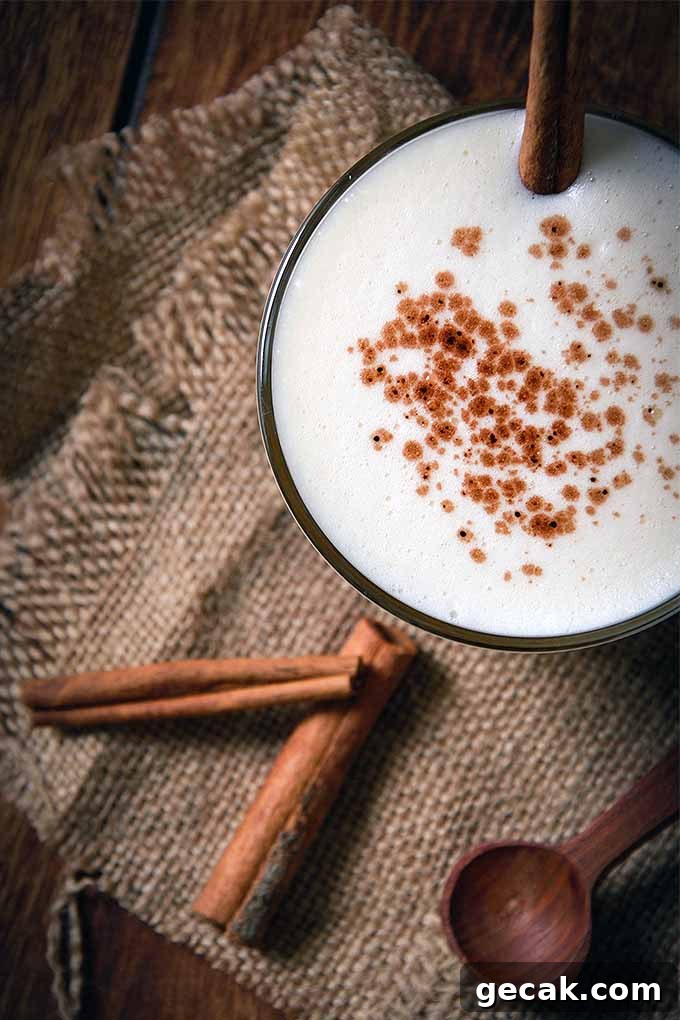
Sprinkled with nutmeg and often spiked with alcohol, eggnog is a holiday beverage that people either love or avoid. While you can buy pasteurized versions in cartons or bottles at the supermarket, few make it from scratch. That’s understandable: traditional recipes call for raw eggs and sometimes a lengthy aging process, which makes many home cooks uneasy.
So what exactly is a “nog,” and how did it become a Christmas staple? Let’s explore the drink’s history and traditions.
A Storied Past
Historical records suggest eggnog began as an aristocratic British drink enjoyed by the upper classes at various times of the year. It wasn’t tied to any specific holiday until it traveled to America, where ingredients and customs evolved.
Early British versions were often fortified with brandy or sherry. In the American colonies, rum was cheaper and more widely available than imported brandy, so colonists frequently used rum instead. During the American Revolution, trade disruptions made Caribbean rum harder to obtain, and colonists turned to locally distilled spirits like whiskey or moonshine.
Food historian Fred Opie points out a likely origin for the name: a combination of “grog” (a colonial term for rum or strong drink) and “noggin,” a small wooden cup. That mix—“egg-n-grog”—gradually became eggnog.
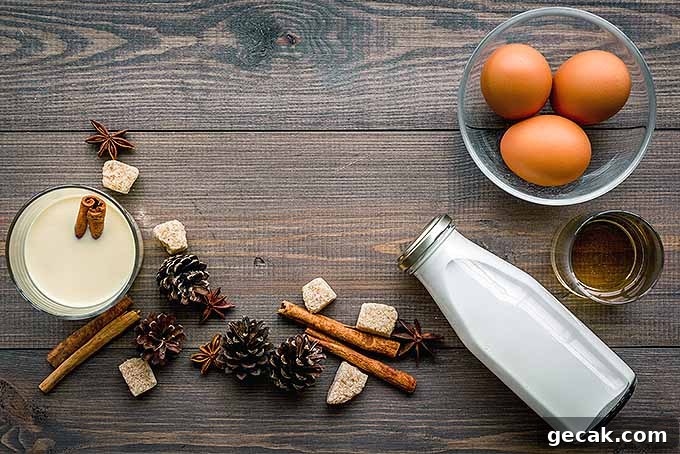
Another historical angle traces eggnog back to medieval Britain, where a drink called posset—warm milk mixed with ale—was sometimes enriched with eggs. Over time, milk, eggs and fortified wines were luxury items in Britain, but in the colonies, plentiful land made fresh milk and eggs more common, allowing egg-based drinks to spread beyond elite circles.
Why Christmas?
Even with these origins, the question remains: why associate eggnog specifically with Christmas? References from the early 1900s describe eggnog as a once-a-year treat served on Christmas morning, which suggests the holiday link was established by custom rather than by a single clear event.
Part of the appeal is practical and sensory: eggnog is rich, warming and spiced—qualities that suit colder weather much like gingerbread and other seasonal treats. The drink’s creamy texture and often-hidden alcohol content may also have made it feel indulgent and special, fit for holiday celebrations.
Many modern home cooks avoid making traditional raw-egg versions because of concerns about salmonella and texture. Commercially produced eggnogs use pasteurized eggs, and there are also dairy-free and egg-free alternatives suitable for people with allergies or dietary restrictions. Some adventurous drinkers sample fresh, unpasteurized versions sold by small producers, but those are less common.
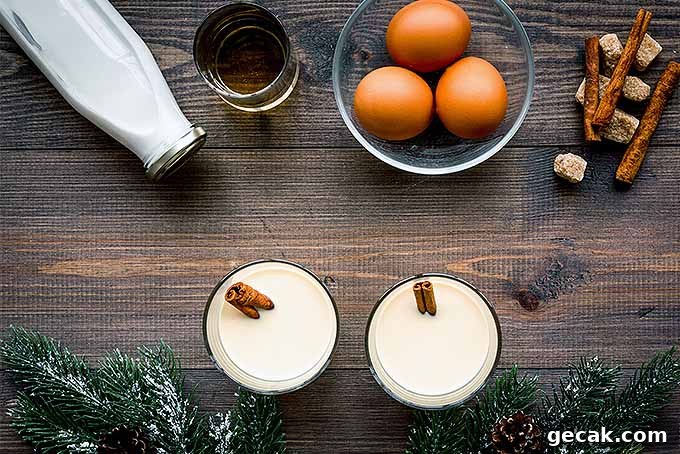
Riotous Traditions
A colorful episode that helped cement eggnog’s place in American holiday lore is the so-called Eggnog Riots of 1826 at the United States Military Academy at West Point. Despite a ban on alcohol, cadets smuggled whiskey to make eggnog for Christmas revelry. The festivities turned into a large, destructive disturbance—windows broken, fights and torn uniforms—and resulted in expulsions. The story captured public attention and linked eggnog to raucous holiday parties in popular memory.
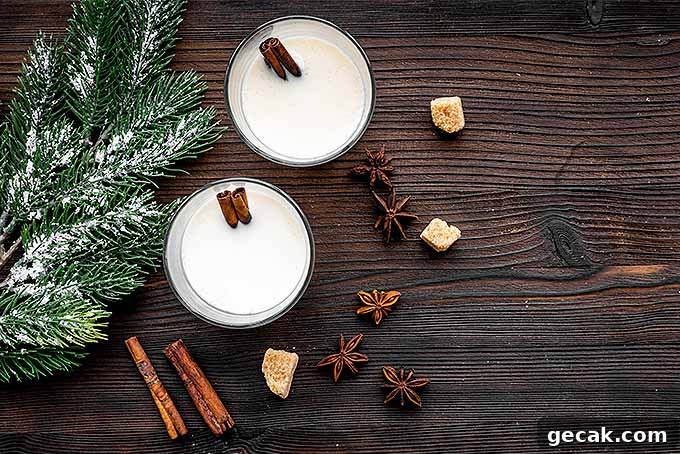
Pour a Glass and Chill
Beyond anecdotes and etymology, practical reasons help explain eggnog’s seasonal role. Before refrigeration, adding alcohol to rich dairy mixtures helped preserve them a bit longer, and serving eggnog in punch bowls made it ideal for gatherings. Its high-calorie, comforting nature also made it a special-occasion drink—something to enjoy in winter when hearty fare is welcome.
Today eggnog remains a festive tradition for many: a creamy, spiced beverage that evokes holiday gatherings, family conversations, and shared memories. Whether you prefer a store-bought pasteurized version, a dairy-free alternative, or a carefully prepared homemade batch, a glass of eggnog is a familiar part of many people’s holiday rituals.
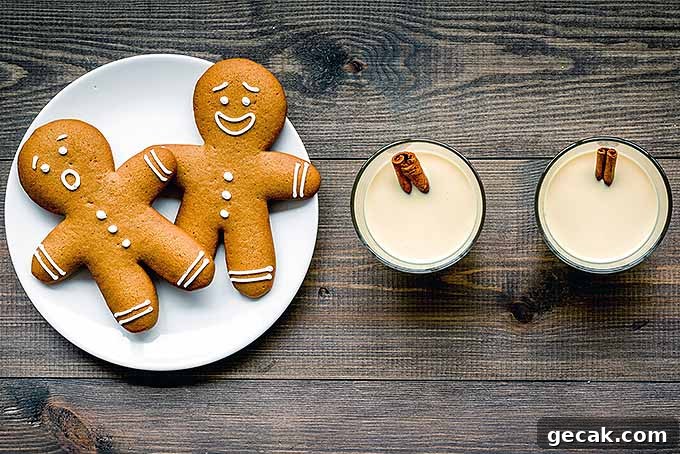
Do you have an eggnog story or a homemade recipe? Share your experience and enjoy a safe, festive glass this season.
Photo credit: Shutterstock.