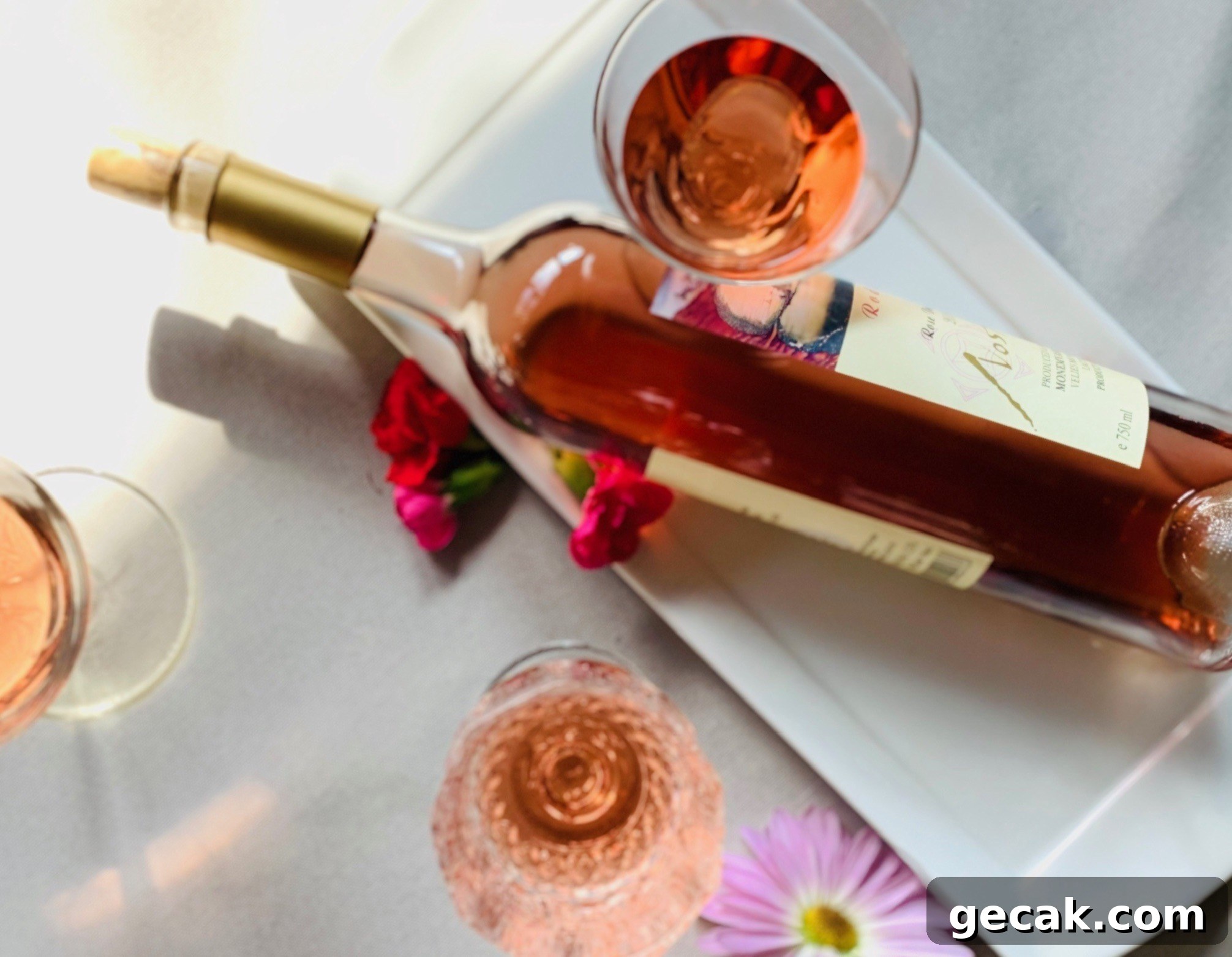
As the weather warms, our tastes naturally shift toward lighter colors, lighter foods, and lighter wines.
Spring and summer wines often evoke bright, fresh flavors—melon, strawberry, and zesty citrus. Chilled rosé is a seasonal favorite, perfect for sunny afternoons and balmy evenings. While you pour a glass, here are some concise, useful facts about how rosé is made and a few approachable rosé wine suggestions to enjoy all summer long.
How is rosé Wine made?
Rosé is typically produced using one of three main methods:
1. Maceration
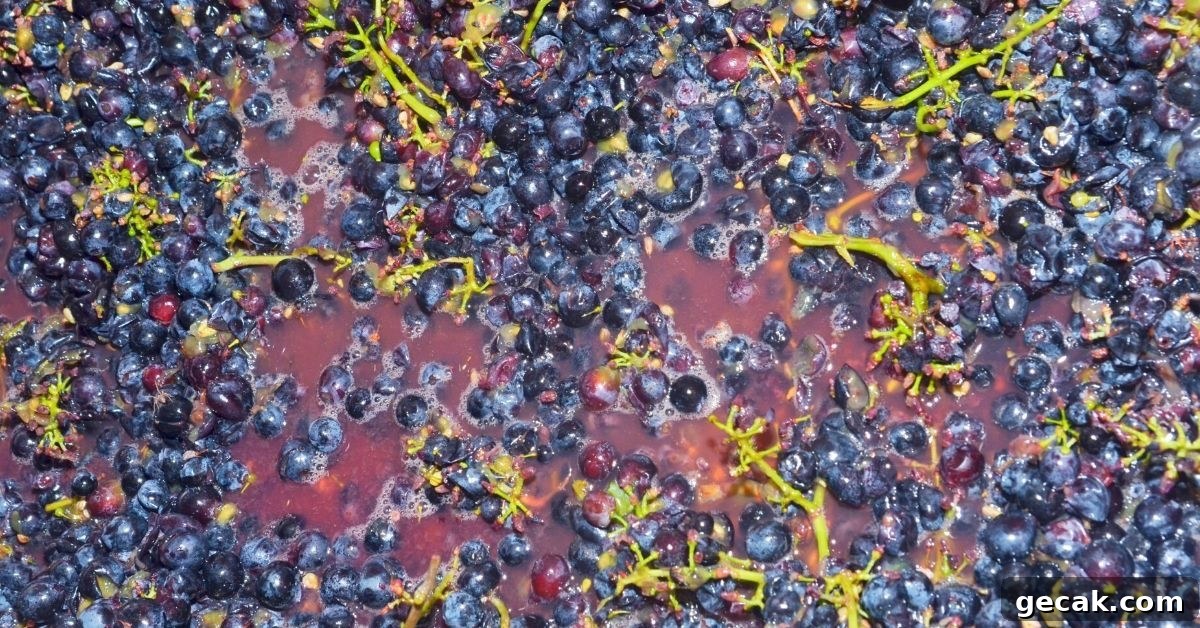
Maceration involves crushing dark-skinned grapes and allowing the juice to remain in contact with the skins for a few hours to a few days. During that time, pigments and some flavor compounds leach from the skins into the juice.
- Short contact with the skins produces the delicate pink or blush hues typical of many rosés.
- Timing is carefully controlled to achieve the desired color and flavor balance.
2. Saigneé
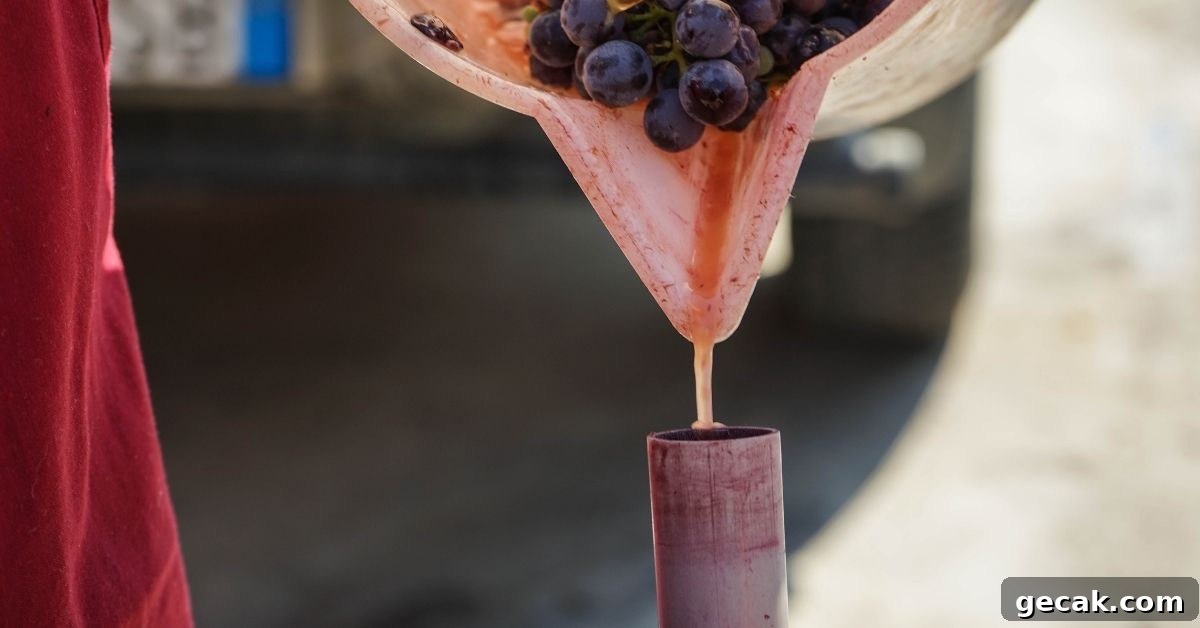
Saigneé (French for “to bleed”) is a technique where some juice is bled off from a tank of crushed red grapes destined for red wine. The removed pinkish juice retains some skin color and is fermented separately to become rosé.
- This method often intensifies both the red wine left behind and the rosé produced from the bled-off juice.
3. Blending

Blending creates rosé by adding a small amount of red wine to white wine until the desired pink shade is achieved. This approach is most commonly used in producing rosé Champagne and other sparkling wines.
- Because it can be used to precisely control color, blending is a standard practice for many sparkling rosés.
What Grapes Are Used In Rosé?
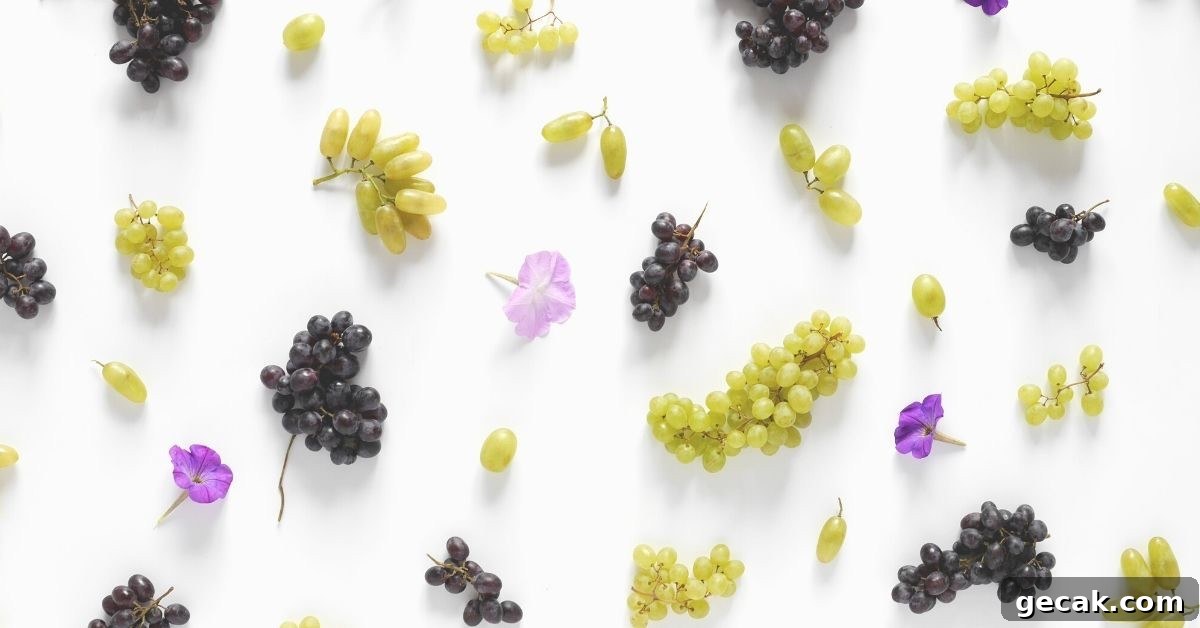
Grapes: Rosé can be made from many red grape varieties. Common choices include Grenache, Merlot, Syrah, Pinot Noir, Malbec, Zinfandel, Tempranillo, and Cabernet Sauvignon.
- Different regions favor different grapes and styles.
- In Spain, rosados are often made from Grenache, Tempranillo, or Mourvèdre.
- Italian rosatos commonly use Montepulciano, Sangiovese, or Negroamaro.
- French rosés frequently feature Mourvèdre, Cinsault, Grenache, or Syrah.
What Does Rosé Wine Taste Like?
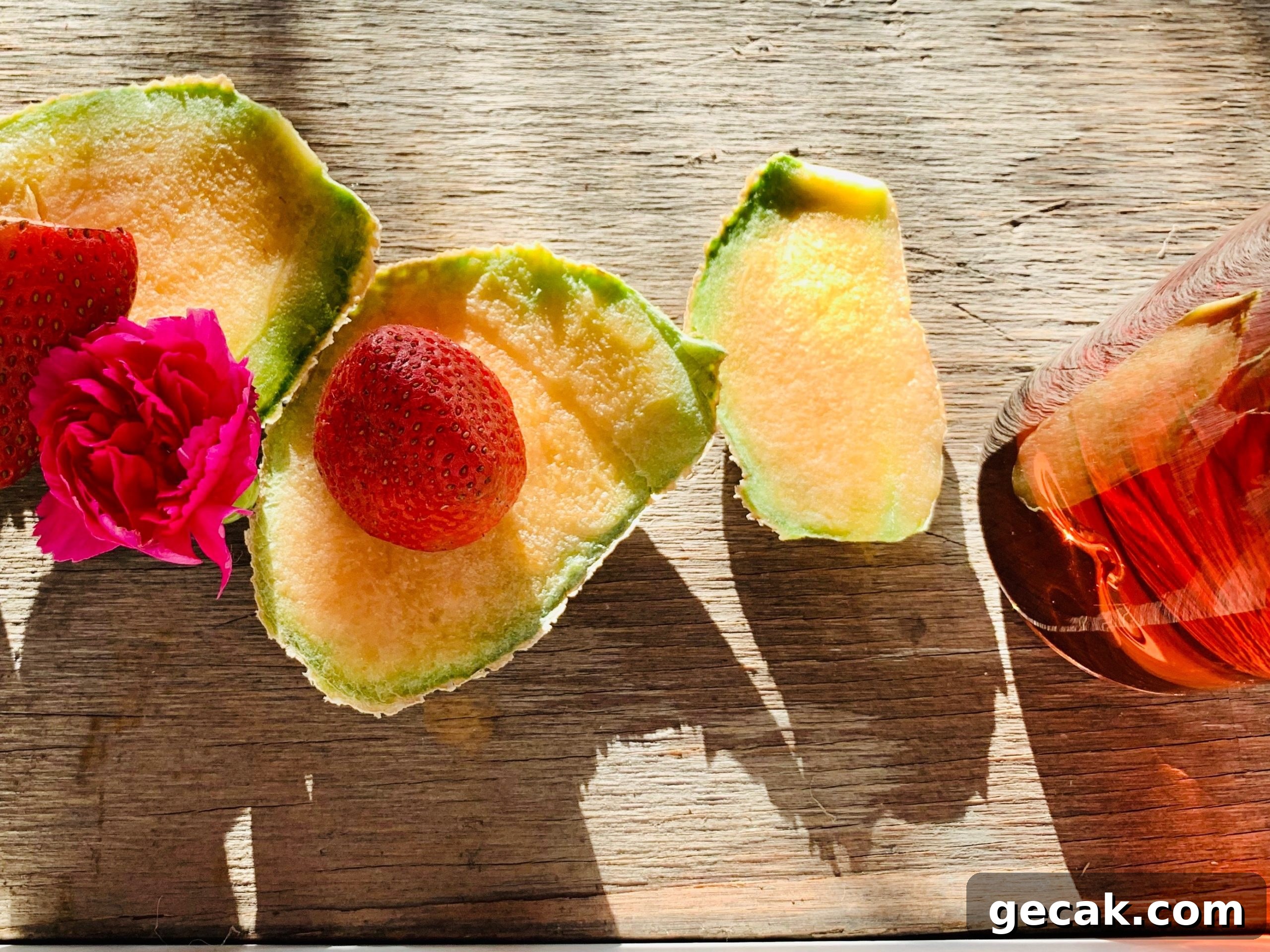
Flavors: Typical rosé flavor notes include ripe melon and honeydew, strawberry and other red fruits, bright lemon and citrus, and occasionally crisp green notes like celery.
- Most rosés are dry, though styles vary by region and producer and can range from bone-dry to gently off-dry or sweeter.
- Acidity and fruit character tend to make rosé very food-friendly and refreshing on warm days.
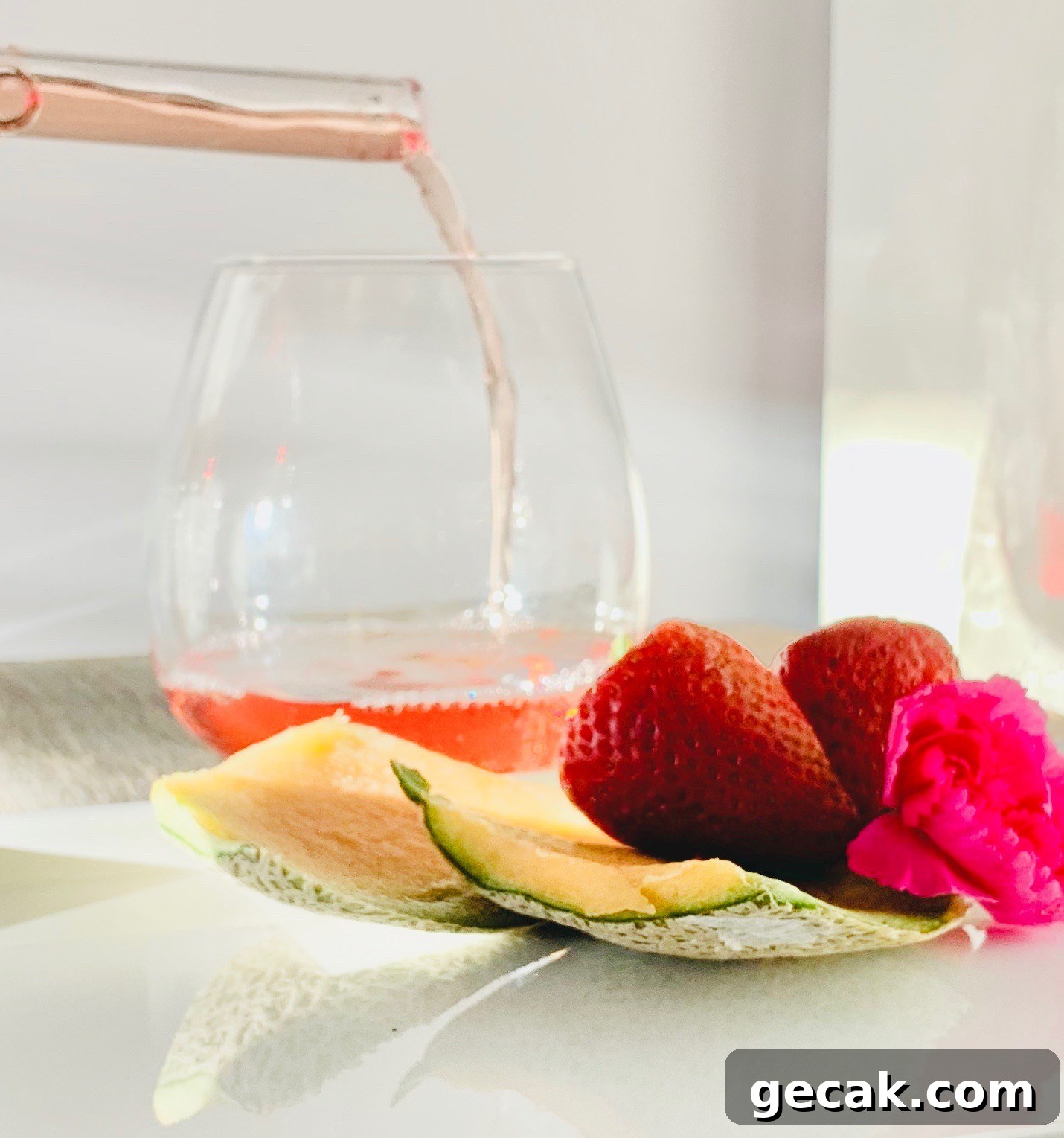
Rosé evokes sunlit afternoons and leisurely gatherings, but it’s versatile enough for any season or meal. When you next pour a glass, consider these approachable rosés to enjoy through the summer.
Easy Drinking Rosé Wine Brands To Sip All Summer

Pair a crisp rosé with grilled salmon for a balanced, flavorful meal, or serve it alongside grilled summer peaches for a simple, seasonal dinner. Rosé also complements a range of lighter dishes, salads, and charcuterie.
If you enjoy pairing wine with sweets, consider exploring pairing ideas for chocolate and wine to find decadent combinations. For those who garden, planting a wine-lover’s garden can provide fresh herbs and fruits perfect for pairing with your favorite bottles.