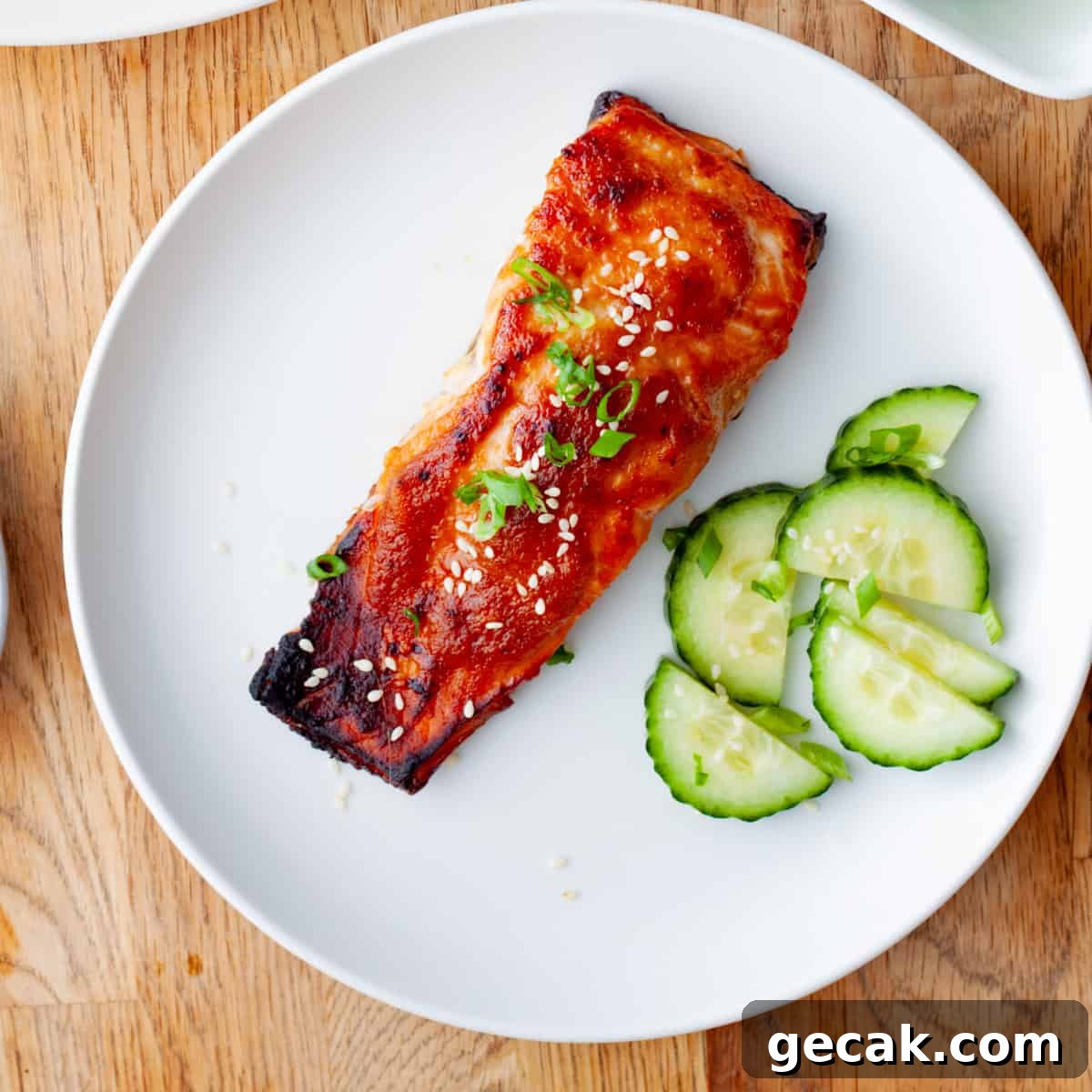
This recipe for Miso Salmon is an easy way to infuse delicate, flaky salmon fillets with deep umami flavor. The fish is briefly marinated in a miso-based sauce, roasted until nearly done, then broiled for a glossy, slightly charred finish.
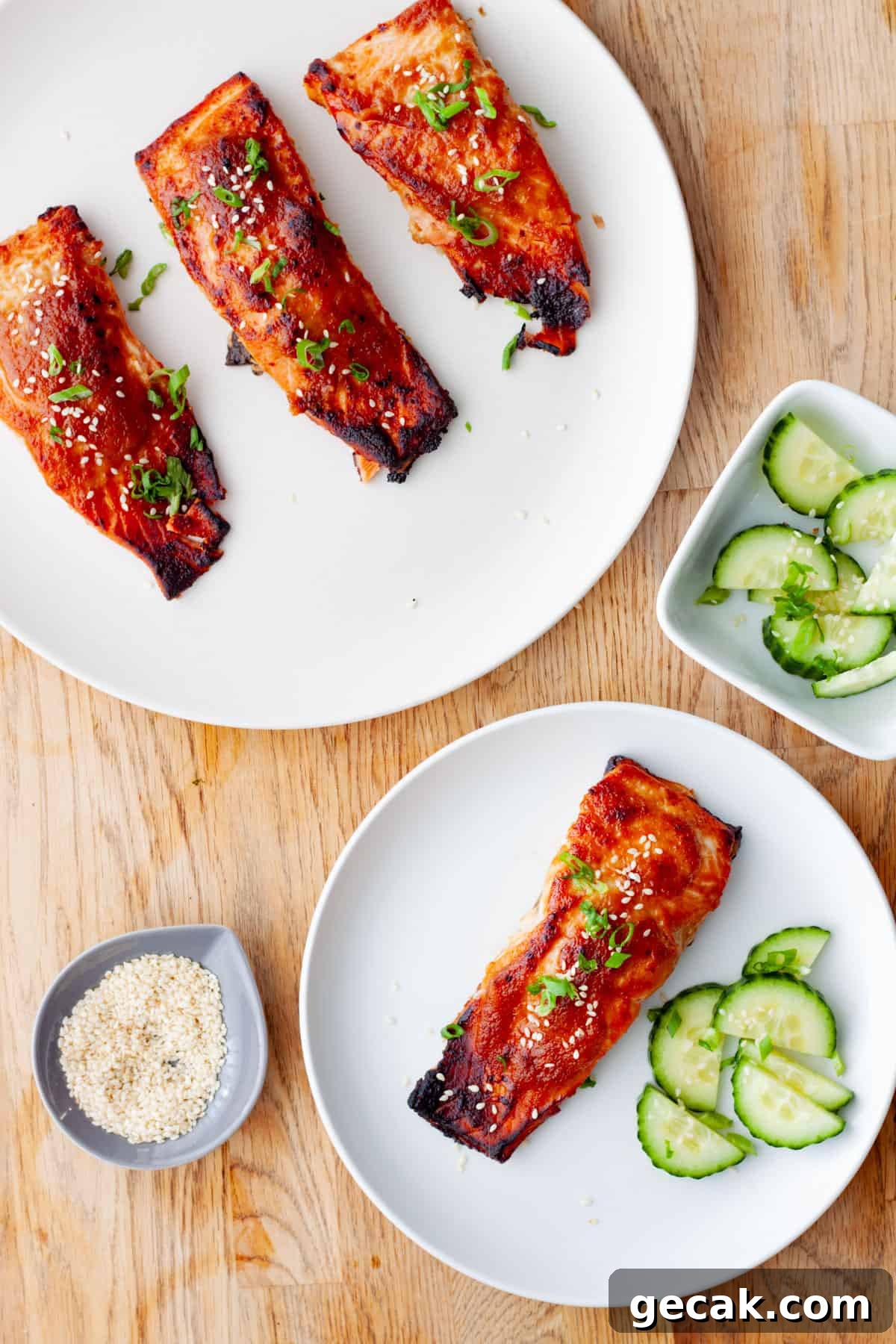
Miso salmon is quick to prepare yet full of flavor, making it an excellent option for a busy weeknight when you want something a bit special. The recipe scales easily for a dinner party or holiday gathering.
Miso is one of my favorite pantry ingredients. I use it in dressings, marinades, roasted vegetables and even compound butter. It pairs particularly well with roasted vegetables and grains, and it’s a natural match for this salmon.
Ingredients that Matter
You’ll need fresh salmon plus a few common Asian pantry items and simple fresh ingredients. Key components:
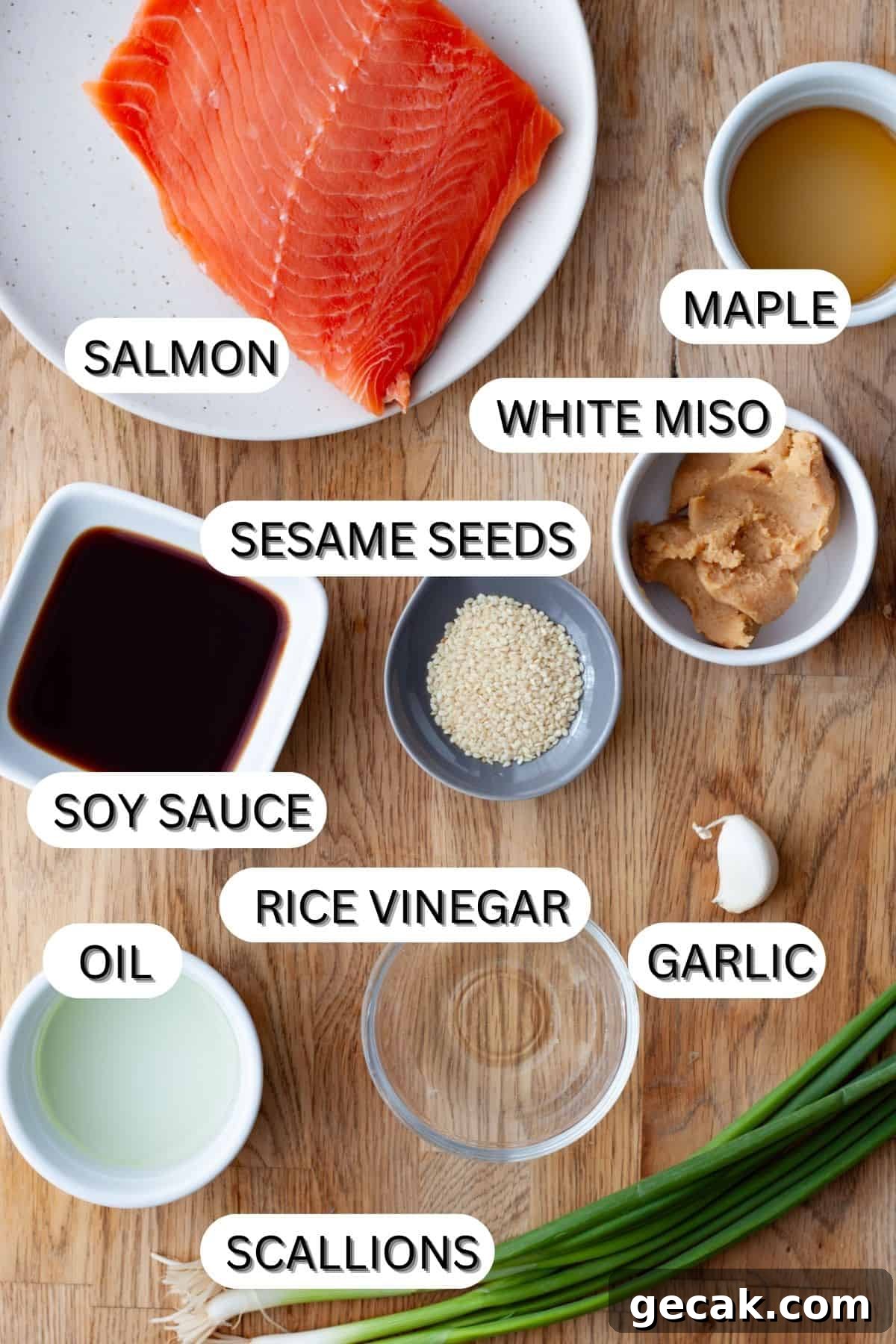
- Salmon – Wild-caught is preferred for flavor and texture if available. Choose portions at least 1 inch thick (about 5–6 ounces each).
- Miso – A Japanese soybean paste found in the refrigerated section near tofu. White (shiro) miso is milder and ideal here.
- Soy sauce – Use reduced-sodium soy sauce or tamari to control saltiness.
- Maple syrup – Adds balance and helps the glaze caramelize.
- Rice vinegar – Brightens the marinade; use plain rice vinegar rather than seasoned.
- Neutral oil – A little vegetable or light olive oil adds richness and helps with browning.
- Garlic – One clove, finely grated, for aromatics.
- Sesame seeds & scallions – Thinly sliced scallions and toasted sesame seeds finish the dish with flavor and texture.
See the recipe card below for exact quantities.
Instructions
This method is straightforward and user-friendly. Overview:
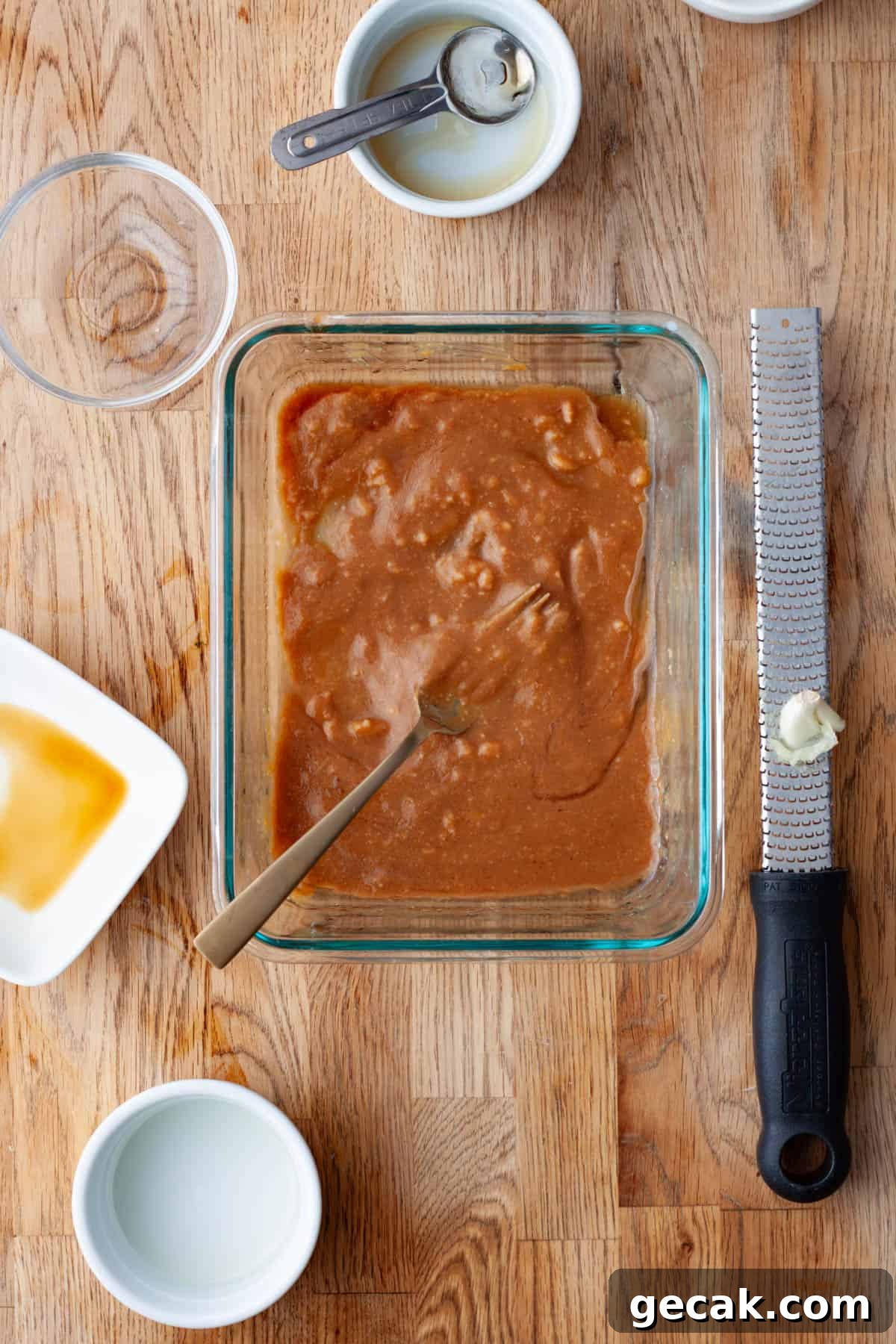
Prepare the miso marinade in a container large enough to hold the salmon snugly. Combine white miso, reduced-sodium soy sauce (or tamari), oil, rice vinegar, maple syrup, grated garlic and a little water. Whisk until smooth. Reserve 1 tablespoon of the marinade in a small bowl for glazing later.
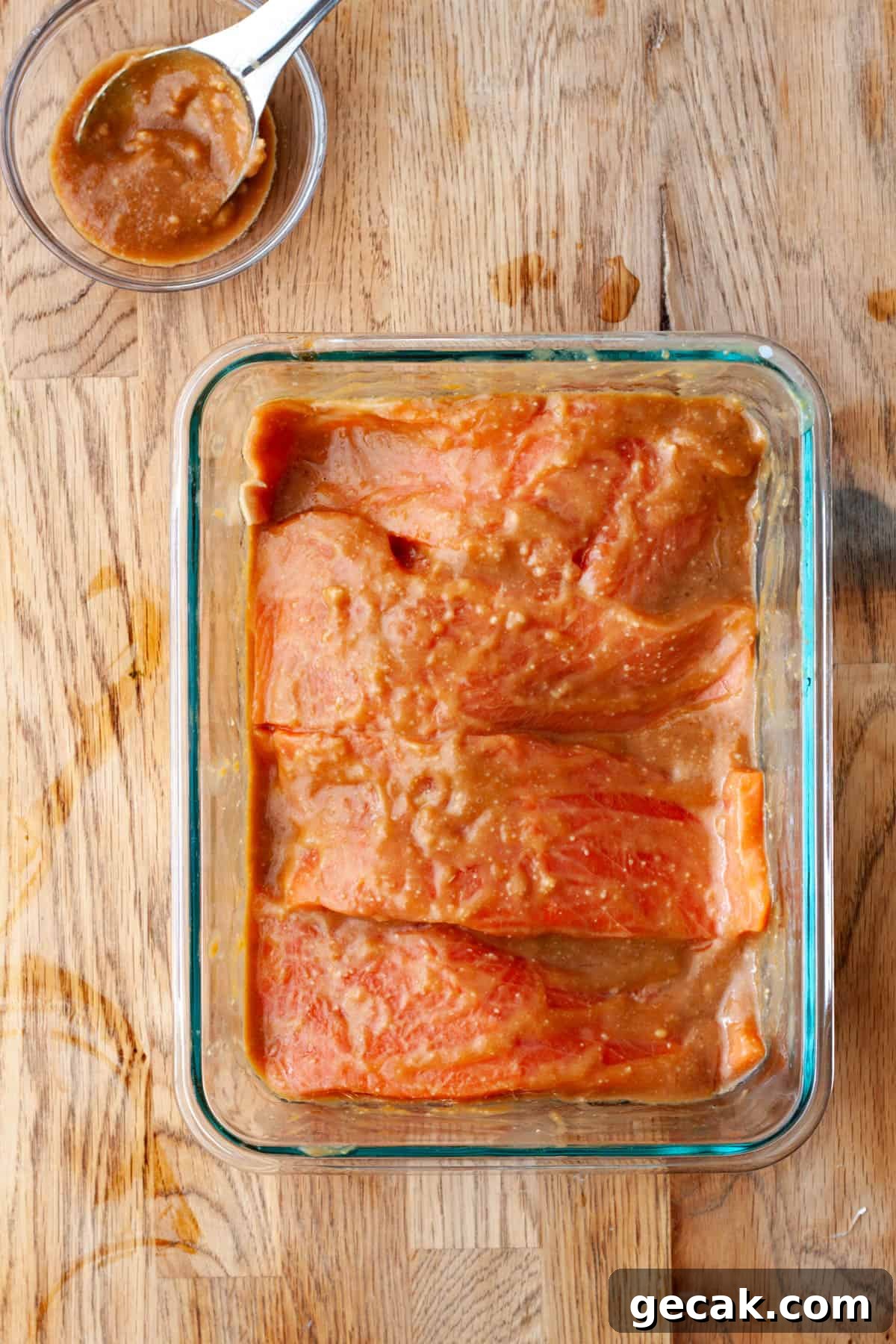
Pat the salmon dry with paper towels and remove any pin bones with tweezers. Add the fillets to the marinade and coat evenly. Marinate at room temperature for 10 minutes or refrigerate for 30–60 minutes; avoid marinating longer or the fish may become too salty. Leave the skin on to help the salmon stay moist while roasting and to reduce sticking to the pan.
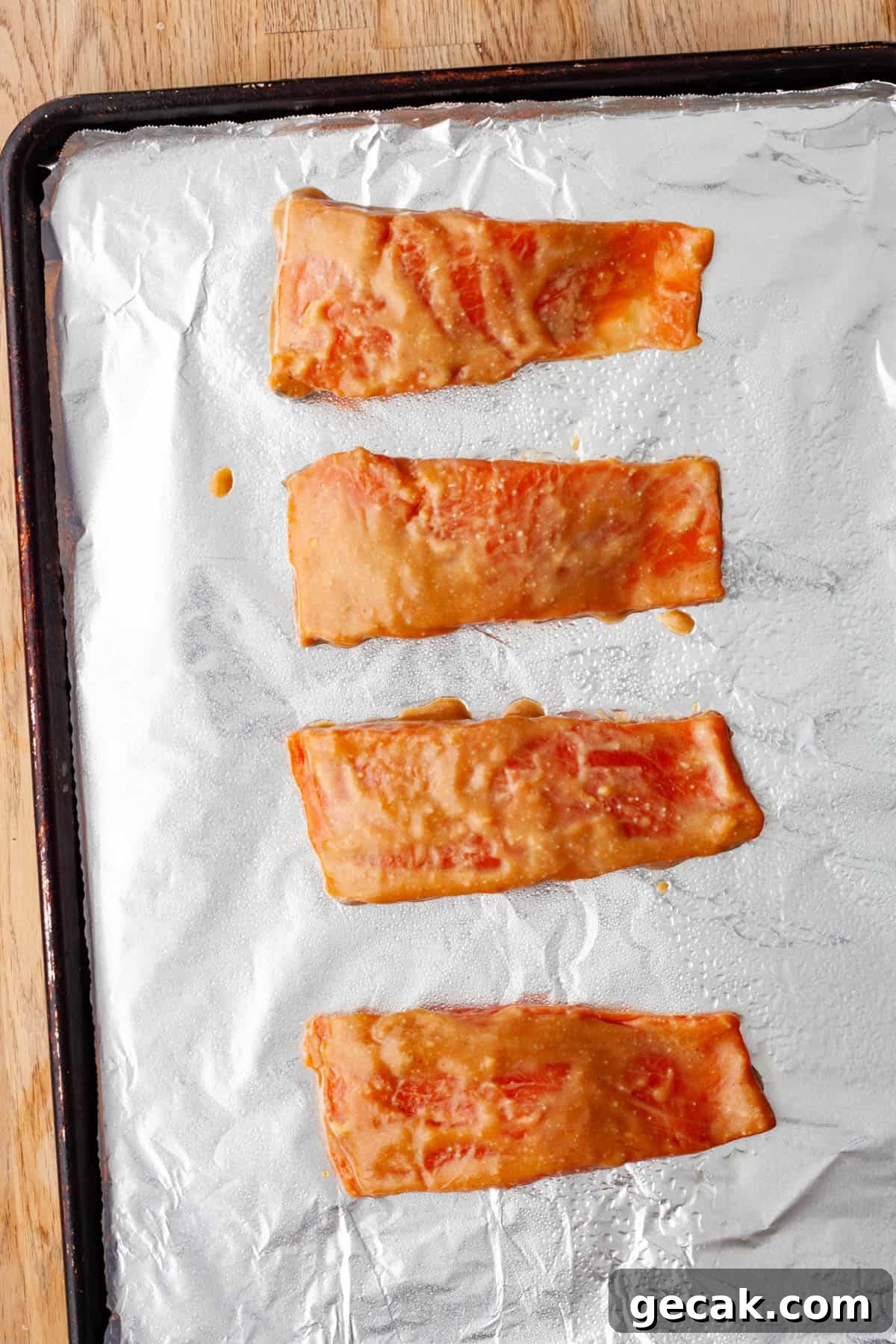
Position an oven rack in the upper third of the oven and preheat to 375°F. Line a baking sheet with parchment or foil and spray lightly with cooking spray. Remove excess marinade from the salmon and place skin-side down on the prepared sheet. Roast until the edges begin to firm and the sauce darkens, about 12 minutes.
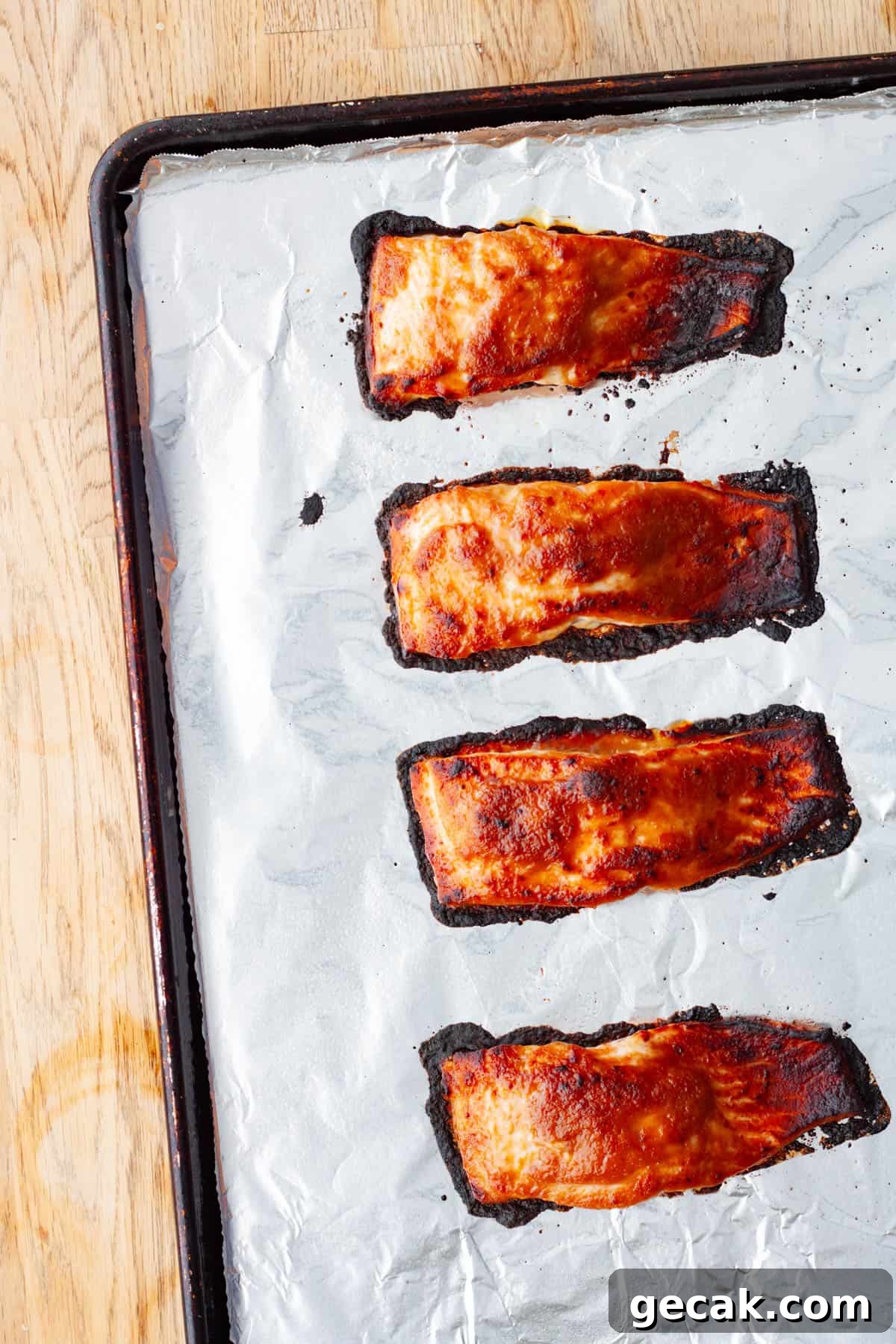
Switch the broiler to HIGH. Brush the reserved tablespoon of marinade over the fillets and return the pan to the upper rack. Broil until the edges char slightly and the glaze bubbles, about 2–3 minutes—start checking at 1–2 minutes to avoid burning. The salmon is done when it flakes easily or reaches 145°F internal temperature. Let rest a few minutes before serving.
Hint: To check doneness, insert a metal skewer into the thickest part of the fillet for 30 seconds, then touch it carefully to your lower lip — if it feels hot, the fish is done.
Substitutions
A few simple swaps make this recipe flexible for dietary needs:
- Gluten-free – Use tamari and choose a miso labeled gluten-free, as some miso contains wheat.
- Garlic – Omit fresh garlic if you’re sensitive, or substitute ½ teaspoon garlic powder.
- Maple – Swap maple syrup for honey or granulated sugar, or omit sweetener if you prefer.
- Heat – Add crushed red pepper, a pinch of cayenne, or a spoonful of sriracha to the marinade for a spicy kick.
Shopping for Salmon
Choosing salmon can be confusing. A few practical guidelines:
- Wild-caught – Often leaner with more distinct flavor; choose wild-caught when possible and affordable.
- Farmed – Farming practices are improving; farmed Atlantic salmon tends to be fattier and milder. Look for responsibly farmed labels if choosing farmed fish.
- Fresh vs. frozen – Much “fresh” salmon has been previously frozen. Flash-frozen fillets can be as high quality as fresh; buying frozen and thawing at home is a good option.
- Food safety – Freezing is often used to reduce parasite risk; some regions require freezing for that purpose.
- Varieties – Pacific types include king (chinook), coho, sockeye and pink, each with different fat levels and flavors. Choose based on texture and richness you prefer.
Storage
Store leftover miso salmon in an airtight container in the refrigerator for up to 4 days. It’s often best enjoyed cold on a salad or grain bowl; reheating dries the fish. If reheating, warm gently in a 375°F oven just until heated through. Avoid freezing the cooked salmon, and don’t marinate raw salmon for more than 1 hour to prevent excessive saltiness.
Serving
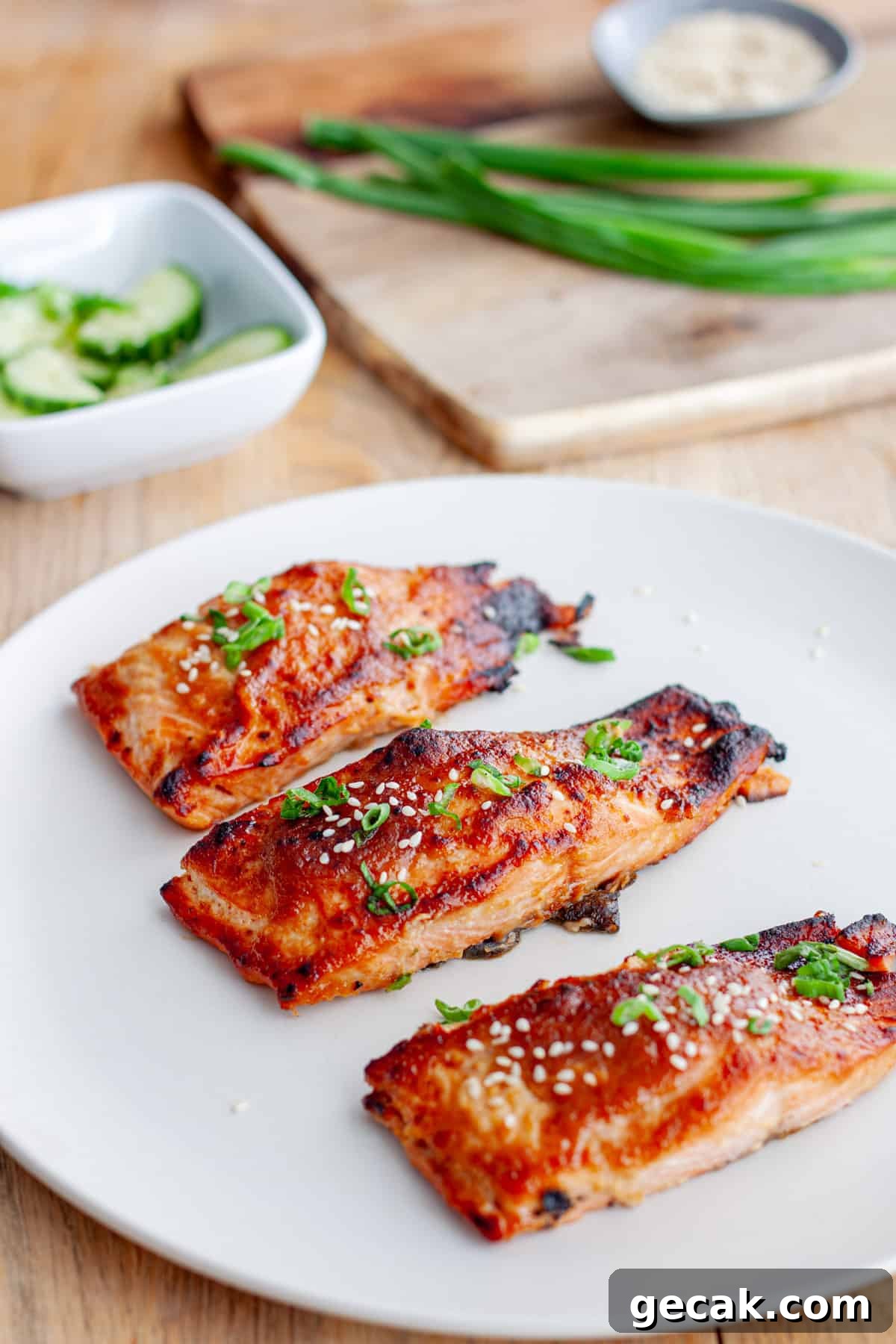
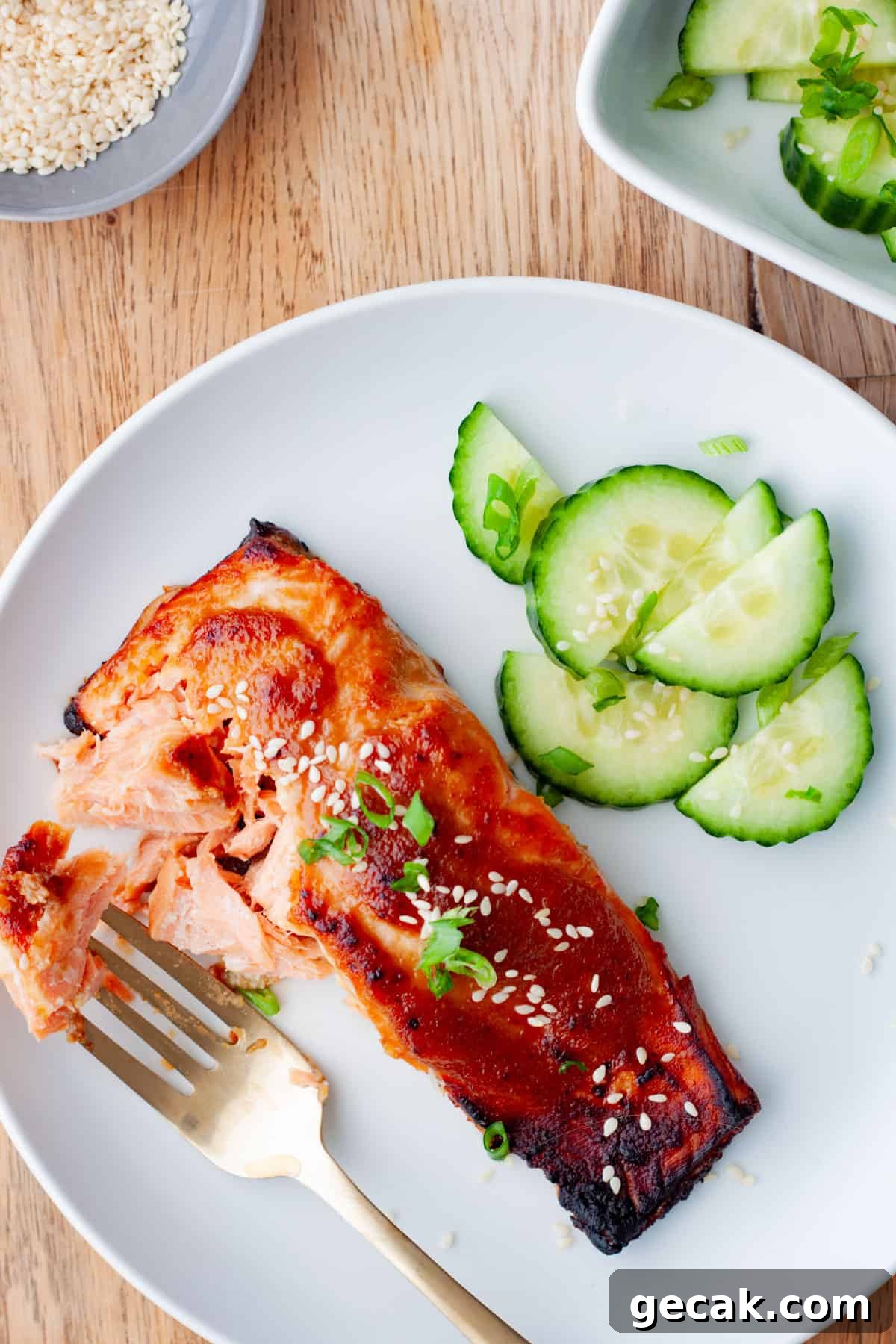
Serve the miso salmon with simple, bright sides such as sliced cucumbers, steamed edamame, a fresh herb salad, or roasted vegetables. It also pairs well with rice or other grains.
- Sliced cucumbers
- Fresh herb salad
- Steamed edamame
- Roasted asparagus or broccolini
- Coconut cilantro rice or mashed potatoes
FAQ
Wild-caught salmon is generally leaner with a stronger flavor and is often preferred for environmental reasons, though some farmed options can be responsibly produced and are fattier and milder.
Stored in an airtight container, miso keeps a long time—often six months or more. Discard it if you see fuzzy mold on the surface.
Dinner
If you enjoy this recipe, try other simple weeknight dinners that balance bold flavors and easy prep.
Sides
Consider light, textural sides to complement the glazed salmon.
Recipe

Miso Salmon
5 from 1 review
- Author: Adam Dolge
- Total Time: 30 minutes
- Yield: 4 pieces of salmon
Description
This miso salmon is marinated in a savory, slightly sweet miso glaze, roasted until tender, then broiled briefly for a caramelized finish.
Ingredients
- 1 ½ pounds (skin-on) wild-caught salmon, cut into 4 portions
- 2 Tbsp white miso paste
- 2 Tbsp reduced-sodium soy sauce (or tamari)
- 1 Tbsp neutral oil (vegetable or light olive)
- 1 Tbsp rice vinegar
- 1 Tbsp water
- 2 tsp maple syrup
- 1 clove garlic, finely grated
- Thinly sliced scallions, for garnish
- Sesame seeds, for garnish
Instructions
- Place an oven rack in the upper third of the oven and line a baking sheet with foil or parchment. Spray lightly with cooking spray. Preheat the oven to 375°F.
- Remove pin bones from the salmon with tweezers, leave the skin on, and pat fillets dry.
- In a container large enough to hold the fillets, whisk miso, soy sauce, oil, rice vinegar, water, maple syrup and grated garlic until smooth. Reserve 1 tablespoon of the marinade in a small bowl. Add the salmon and coat. Marinate at room temperature 10 minutes or refrigerate 30–60 minutes.
- Remove excess marinade from the salmon and place skin-side down on the prepared sheet. Roast until edges firm and the sauce darkens, about 12 minutes. Turn the broiler to HIGH, brush the reserved tablespoon of marinade over the fillets, and broil until the glaze bubbles and edges char, about 1–3 minutes—watch closely.
- Remove from oven, let rest a few minutes, then garnish with scallions and sesame seeds before serving.
Notes
- Farmed Atlantic salmon can be used, though it will be fattier and milder.
- Recommended types include king, coho or sockeye for richer flavor.
- Store leftovers in an airtight container in the refrigerator up to 4 days. Best cold or gently reheated, as reheating can dry the fish.
- For gluten-free, use tamari and a miso labeled gluten-free.
- Grill option: preheat grill to 375°F, oil the grates, grill skin-side down about 10 minutes, then move to a clean grate and cook 2–4 more minutes until slightly charred. Let rest 5 minutes before serving.
- Prep Time: 15 minutes
- Cook Time: 15 minutes
- Category: Dinner
- Method: roasting/broiling
- Cuisine: American/Japanese