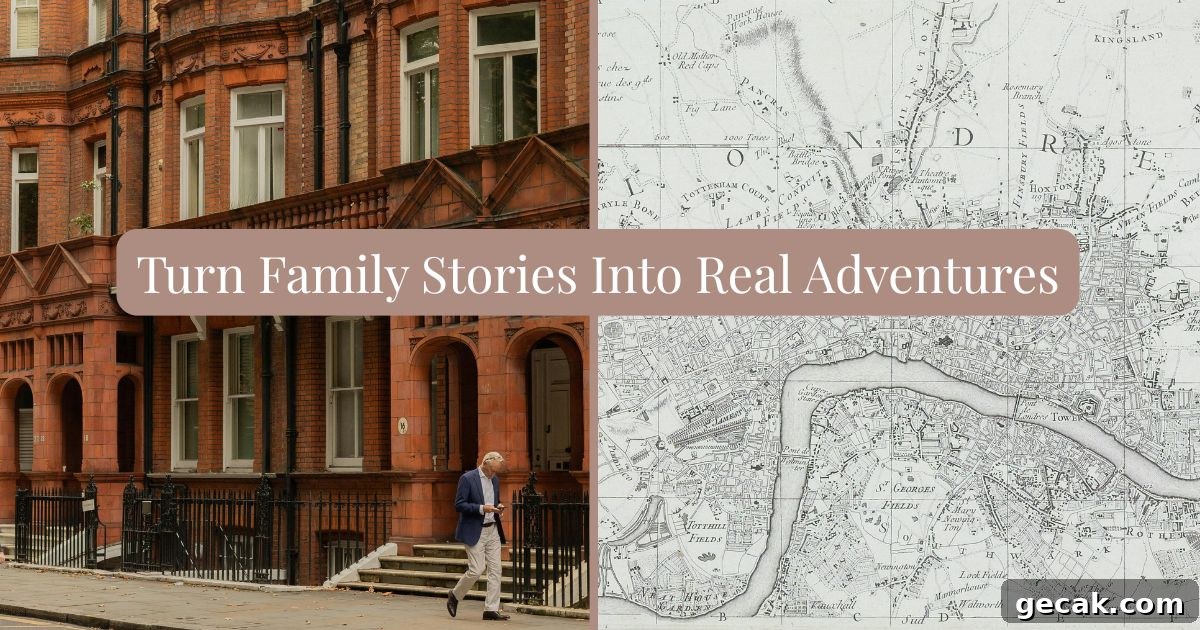
When my cousin handed me a hand-drawn map on the back of his mother’s lunch menu, I assumed I’d spend a few hours driving around Virginia and maybe glimpse an old house.
“Follow this road past the river where Grandma and her cousins swam,” he said as he sketched landmarks. “You’ll find the church where generations worshiped, and if you keep going you’ll reach the home place.”
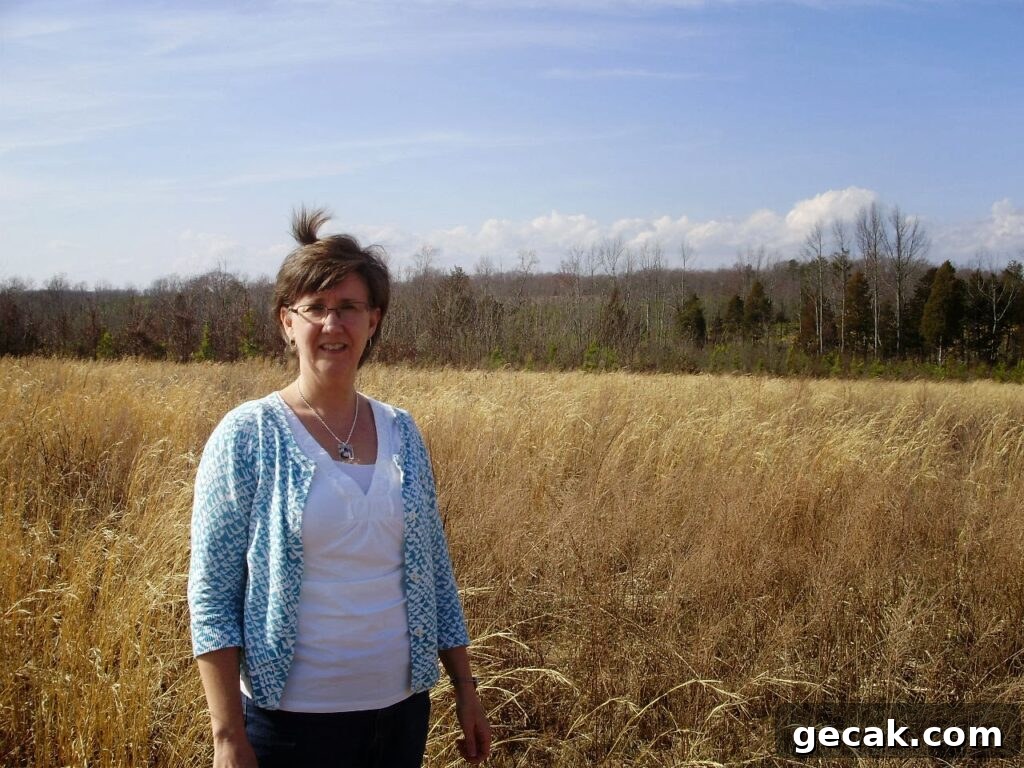
Scuffletown, Virginia — hardly a tourist hotspot. Still, that drive along the country road where my great-great-grandparents lived changed how I think about researching family history.
Why heritage travel actually matters
I’ve spent years building family trees and chasing records. There’s a difference between knowing your sixth great-grandfather ran a coffeehouse in London and standing where his shop used to be, sipping coffee and watching people pass on their way to work.
Research gives you facts; being present fills in the story.
Best of all, you don’t need a flawless family tree to make heritage travel meaningful.
Before you pack, organize the mystery family photos you’ve been meaning to identify. Heritage travel is an ideal time to bring those images to local historical societies or relatives you meet along the way.
Why this matters: Unlabeled photos tucked in your grandmother’s shoebox might show the exact places you plan to visit. Because fragile photos can be damaged, it’s wise to have digital copies available so you can share images safely with local contacts without risking originals.
Digital scans let you back up discoveries made during the trip and share them easily with relatives or historians. The stories that surface when you compare photos to places often become the most treasured memories of heritage travel.
Research gives you facts; being present fills in the story.
What I wish I’d known before my first heritage trip
Here are lessons I learned by trial and error—tips I wish someone had shared before I started planning:
You don’t need perfect records to begin. I once thought exact addresses were required. Not true. Even broad clues—“my great-grandmother was Irish” or a DNA result showing a percentage of a region—are enough to create an absorbing trip.
Genetic ethnicity can guide cultural experiences. DNA tests that indicate regional ancestry help you choose destinations and activities that reflect your family’s heritage, even when specific records are scarce.
Sometimes DNA reveals unexpected roots and opens travel paths you hadn’t considered.
Pick one trip focus at a time. Early on I tried to squeeze research, sightseeing, and cultural immersion into a single week and ended up exhausted. Now I choose a clear goal before I go:
If you want cultural immersion, focus on food, traditions, and neighborhoods rather than hunting addresses. If you plan serious archive work, schedule courthouse and records time, not long scenic drives. If you’re tracking specific ancestral locations, narrow it to two or three places and spend time there rather than racing from site to site.
Engage more than your eyes. In London I didn’t just stand outside the old coffeehouse site; I sat in a nearby café, sensing the rhythm of daily life my ancestor might have known. Eat traditional meals, walk historic routes using old maps, and experience the landscape and weather that shaped decisions in your family’s past.
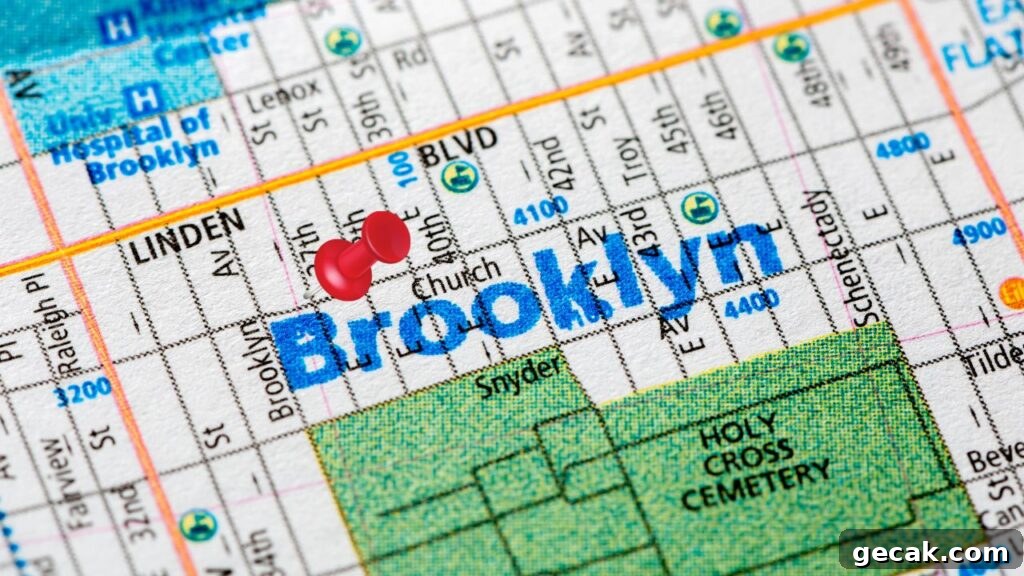
Study local context, not just family names. Learn what was happening where your ancestors lived: economic pressures, migration patterns, and daily life details. Understanding why people left or stayed deepens the meaning of visiting their places.
Local historical societies are excellent resources and often welcome visitors who show genuine interest.
Document your trip properly. You’re creating a record for future generations. Take context-rich photos, jot down surprising observations, and keep small artifacts like local newspapers or church bulletins. Those materials preserve the story beyond names and dates.
When you can’t actually travel
If travel isn’t possible, you can still connect with ancestral places in meaningful ways:
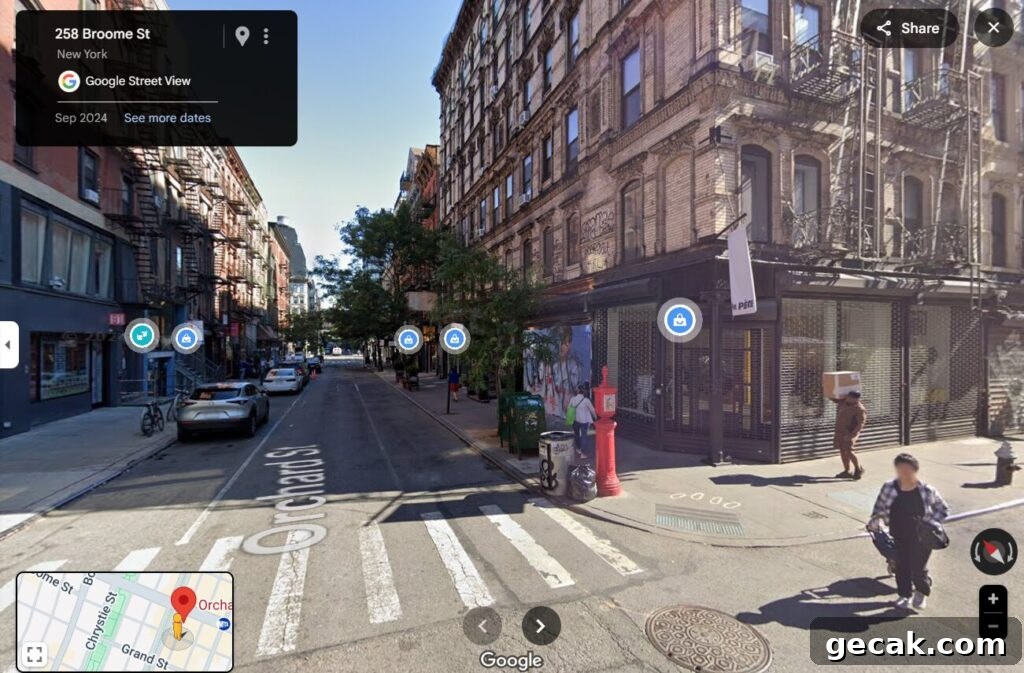
- Google Street View lets you virtually stroll ancestral neighborhoods to see how they look today.
- Virtual museum collections and online exhibits often showcase regional history and artifacts relevant to your family’s homeland.
- Local cultural organizations in your city may host events or resources tied to your ancestors’ country or region.
- Traditional cooking brings heritage to the table—food can spark curiosity in younger family members and make stories memorable.
Not the same as being there, but far more vivid than staring at genealogy charts alone.
Why this matters
After many heritage trips and years of document research, I’ve realized: your family history exists in more than records. It lives in places, tastes, sounds, and everyday details.
Children may dismiss another family-tree conversation, but they’ll remember stories about standing where an ancestor lived or eating recipes from their homeland. They’ll connect with experiences rather than spreadsheets.

Getting started
Whether your family came from Ireland, Mexico, small-town America, or elsewhere, their world is still there to discover.
You don’t need perfect records or unlimited funds—just curiosity and a willingness to experience your family story rather than only researching it.
If you’re preparing to research British ancestors, free online genealogy resources can help you plan. Remember that documents and leads you uncover during heritage travel can provide clues you haven’t found in domestic records.
Where are your ancestors calling you to visit? Share in the comments—I enjoy helping people figure out next steps.