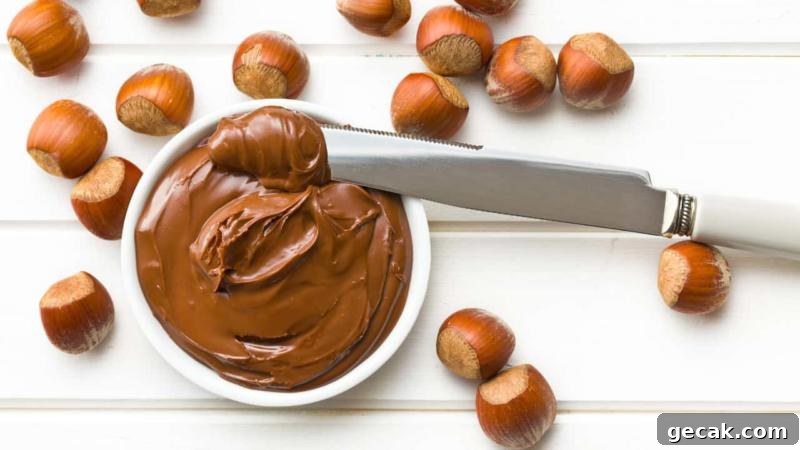
Nutella White Spots? If you’ve found white spots in a jar of Nutella, you may wonder what they are and whether the spread is still safe to eat. A reader recently discovered an old, sealed jar tucked at the back of a cupboard — likely more than 18 months old — and noticed small white bits inside. She was concerned they might be mold, but on closer inspection they didn’t look fungal. After a quick call for advice, the consensus was that these were oil globules that had separated out. With that in mind, she was reassured and handled the jar accordingly.
Faced with a similar jar, you might be unsure whether to toss it, keep it, or risk tasting it. Below is a clear, practical guide to what those white spots mean, how to tell if your Nutella has truly gone bad, and what to do if the ingredients have separated.
Table of Contents
Nutella white spots
The white spots in Nutella are usually droplets of palm oil that have separated from the rest of the spread. This separation is not dangerous: the product is generally safe to eat if there are no other signs of spoilage. However, separated Nutella can taste unpleasant, so you may choose not to consume it.
Nutella White
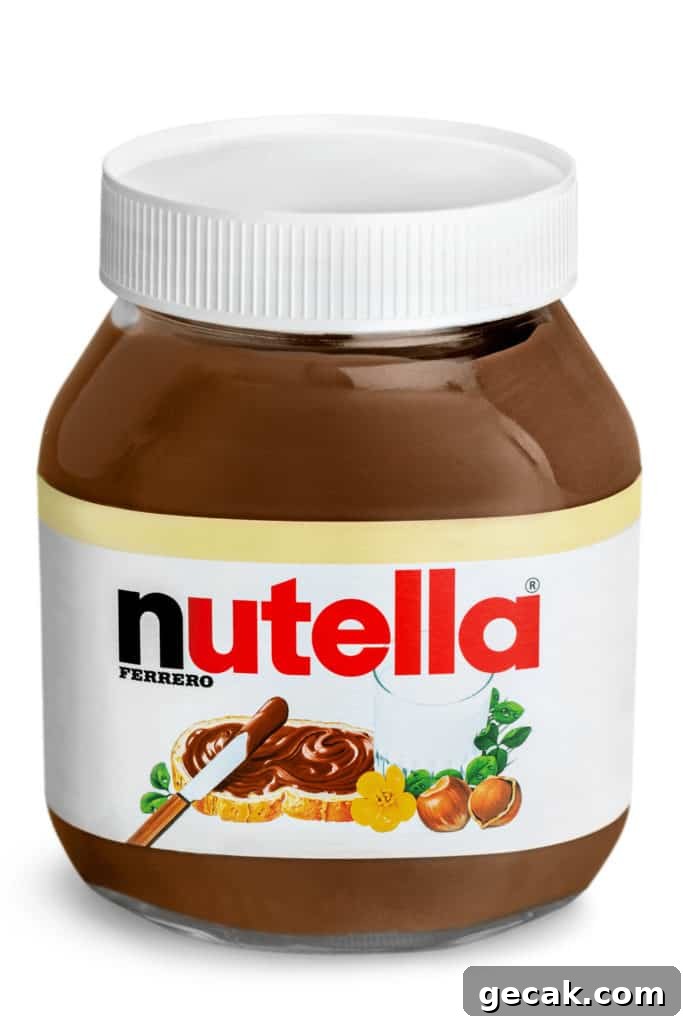
Ferrero makes a white version called Nutella Bianco (Italian: Nutella Biano), which resembles the classic spread but with a lighter color. It’s less common than the original, though its flavor profile is similar to regular Nutella.
Rancid Nutella
Nutella can become rancid over time. Rancidity happens in two main ways: oxidation, where oils react with oxygen, and hydrolysis, where water breaks down fats. Both processes degrade the oils and can produce off-flavors. Oxidation tends to cause stale or off tastes, while hydrolysis often produces a more noticeable, unpleasant odor.
When fats are broken down by oxygen or water, the result is rancid material that tastes and often smells unpleasant. While rancidity doesn’t always make a product immediately dangerous, it can make it unpalatable and, in some cases, undesirable to eat.
Indications your Nutella has “gone off”
Your Nutella smells bad
A strong, unpleasant odor is a clear sign something is wrong. If the jar gives off a sour, rancid, or otherwise foul smell when you open it, discard the spread. Your sense of smell is a reliable early warning for spoilage; trust it.
Your Nutella is moldy
Visible mold or bacterial growth means the jar must be discarded. Mold on spreadable products is a health risk; don’t taste or scrape moldy spots to “save” the rest. Throw the jar away and clean the area where it was stored if needed.
Your Nutella has a hard, crumbly texture
If the spread has become noticeably grainy, dry, or separated beyond simple oil droplets — looking crumbly or forming distinct layers — it’s a sign of significant deterioration. Severely separated or crusty Nutella should be discarded rather than eaten.
When Nutella smells and looks okay, except for those pesky little white globules
If the jar looks and smells normal apart from white oil globules, it’s likely just separation from age and storage conditions. In that case, sample a small amount: if it tastes normal or only slightly stale without off-odors, you can either remix it or discard it based on personal preference. Separation alone doesn’t necessarily mean the product is unsafe.
To assess safely: inspect for mold, sniff for strong rancid or sour odors, and check texture. If none of those warning signs are present, you can restore the spread’s consistency by gently remixing it.
Fixing your dodgy Nutella!
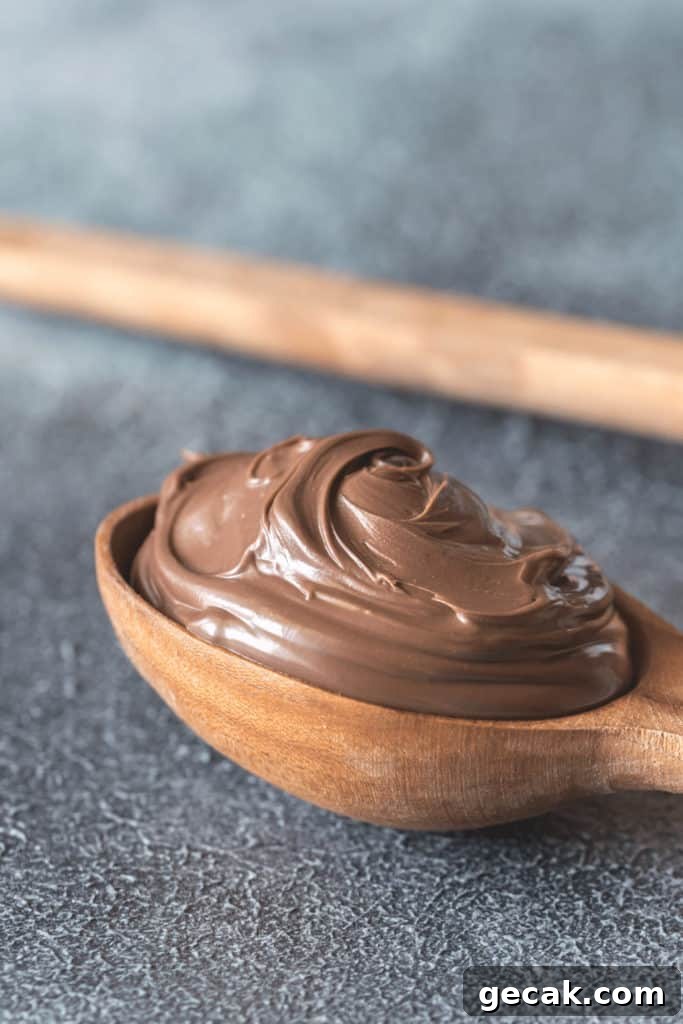
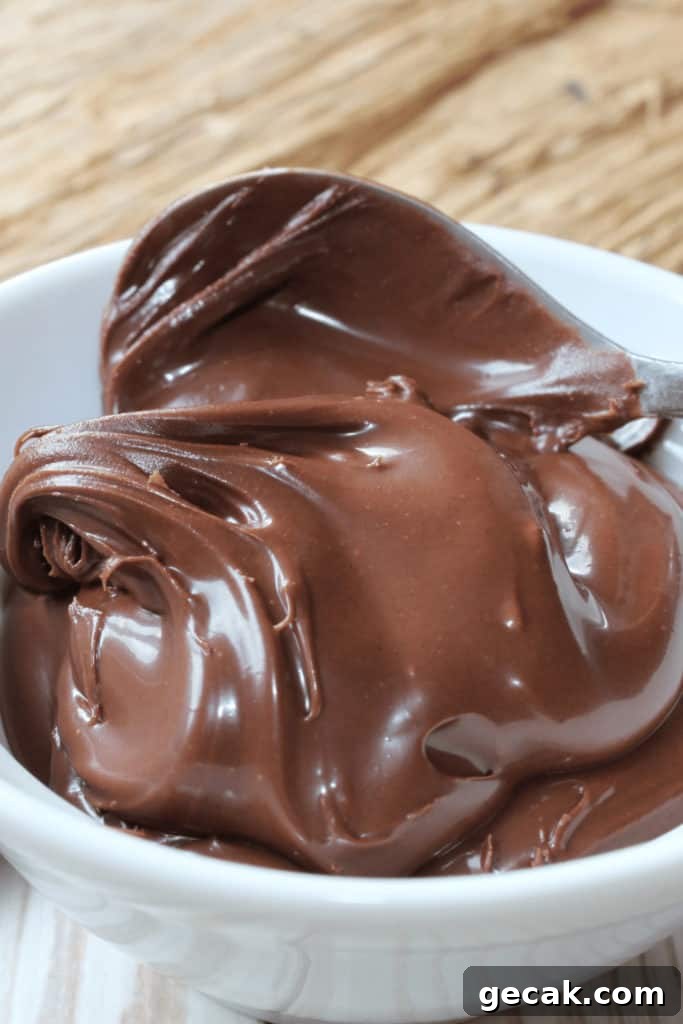
To remix separated Nutella, let the jar come to room temperature so the oils soften naturally. Use an electric mixer or a sturdy spoon to stir until the texture is smooth again. Avoid heating the jar directly in sunlight, hot water, or other aggressive methods that could degrade flavor or quality. If the taste and smell are acceptable after remixing, it’s fine to use; otherwise, discard it.
Frequently Asked Questions About Nutella White Spots
Should I refrigerate Nutella?
No. Refrigerating Nutella will harden it and can encourage ingredient separation when it’s returned to room temperature. If someone stored it in the fridge and it has hardened, a few seconds in the microwave or leaving the jar at room temperature will restore spreadability.
Does the sugar in Nutella make the white spots?
No. The white spots are not caused by sugar. Those white globules are typically oil, not sugar crystals. Sugar does make Nutella high in calories, but it isn’t responsible for the separated oil droplets.
Can I extend the shelf life of a jar of Nutella?
You can maximize shelf life by storing unopened jars in a cool, dark place away from heat and sunlight. Check the “best before” date on the jar as a guideline. Once opened, keep the lid tight and store at room temperature; exposure to air, moisture, and fluctuating temperatures speeds deterioration. Proper storage helps, but opened jars will naturally degrade over time.
Afterword: Nutella White Spots
Stored correctly, Nutella can remain good for more than a year, but quality declines with time. The white spots are most often palm oil droplets that have separated from the mixture. If there are no signs of rancidity, mold, or strong off-odors, you can remix the jar and enjoy it. If it smells or looks clearly spoiled, discard it for safety.