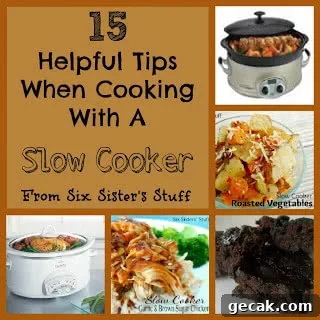
The Crock Pot, also known as the slow cooker, is one of the most useful appliances you can have in your kitchen. It saves time, simplifies meal preparation, and produces consistently flavorful results. Over years of cooking with a slow cooker, I’ve learned practical techniques that make a real difference: when to use low versus high settings, when to brown meat first, how cut size affects cooking time, and how to ensure meats reach safe temperatures. Below I share straightforward, experience-based tips so you can enjoy the convenience and great taste of slow-cooked meals without worry.
I first discovered slow cooking watching Food Network with my parents. One memorable episode showed a family teaching basic food-safety habits—like using an instant-read thermometer—while making a slow-cooked meal. They demonstrated how inexpensive cuts of meat, paired with good seasoning and slow cooking, can be transformed into something delicious. That inspired my mom to try a pot roast with vegetables in our slow cooker, and it became a household favorite.
My mom prepared the roast in the morning, adding the right cut of meat and tender vegetables, and letting the cooker do the rest. The long, gentle heat broke down connective tissue and developed deep flavor. Returning home to the smell of a slow-cooked dinner was always a highlight. Those extra hours of cooking made the difference—patience pays off with tender, flavorful results. As I grew older I began cooking myself. At first it felt daunting, but I quickly learned that many slow-cooker recipes are forgiving: gather your ingredients, layer them thoughtfully, and let time do the work.
Slow cookers are versatile. You’ll find recipes that include dairy like sour cream or Parmesan, root vegetables, fresh herbs, and a wide range of proteins. Below are practical tips that apply to nearly any slow-cooker dish. These pointers will help both beginners and experienced cooks get consistently great results.
1. High on most slow cookers is approximately 300°F, while Low is around 200°F. Knowing these approximate temperatures helps with timing and safety.
2. Time conversion: generally, one hour on High is equivalent to about 2 to 2½ hours on Low. Use this when adapting recipes between settings.
3. Don’t peek. Every time you lift the lid it can take 15–20 minutes for the cooker to regain lost steam and return to the correct temperature, which extends cooking time.
4. Browning meat, onions, and heartier vegetables before adding them to the slow cooker deepens flavor. It’s optional for many recipes, but it does add complexity to the final dish.
5. Use whole or fresh herbs for slow cooking; they develop more flavor over long cooking periods. Ground spices can fade—add them during the last hour and adjust seasoning just before serving.
6. Slow cookers are excellent for side dishes. Baked potatoes are a simple favorite: wash the potatoes, place them in the cooker, cover, and cook all day. Peel or serve as desired for a fuss-free side.
7. Liquids don’t reduce much in a slow cooker. If a dish is too thin at the end of cooking, remove the lid and set the cooker to High to allow excess liquid to evaporate and thicken the sauce.
8. Less tender, less expensive cuts of meat excel in slow cooking. Low-and-slow (6–8 hours) breaks down connective tissue better than a shorter High setting (3–4 hours), yielding more tender results.
9. Slow cooking is a great option in warm weather because it produces minimal heat in the kitchen while filling your home with delicious aroma all day.
10. Crock Pot liners simplify cleanup and do not affect cooking performance. If you don’t have liners, a light spray of cooking oil helps keep the pot from sticking.
11. Food at the bottom and along the sides of the crock cooks faster and tends to become more tender. Place meats and firm vegetables lower in the pot unless a recipe specifies otherwise.
12. Cut firm vegetables to similar sizes so they cook evenly. Uniform pieces ensure predictable texture across the dish.
13. Add delicate vegetables—tomatoes, mushrooms, zucchini—during the last hour of cooking to prevent them from becoming overly soft or mushy.
14. Avoid filling the slow cooker to the brim. Aim for between half full and three-quarters full for optimal heat circulation. If the pot is less than half full, cooking time may be shorter and the food can dry or burn.
15. Choose a slow cooker that fits your needs. Sizes, shapes, and features vary, so compare options and ask friends or family about their experiences to find the best fit for your kitchen.