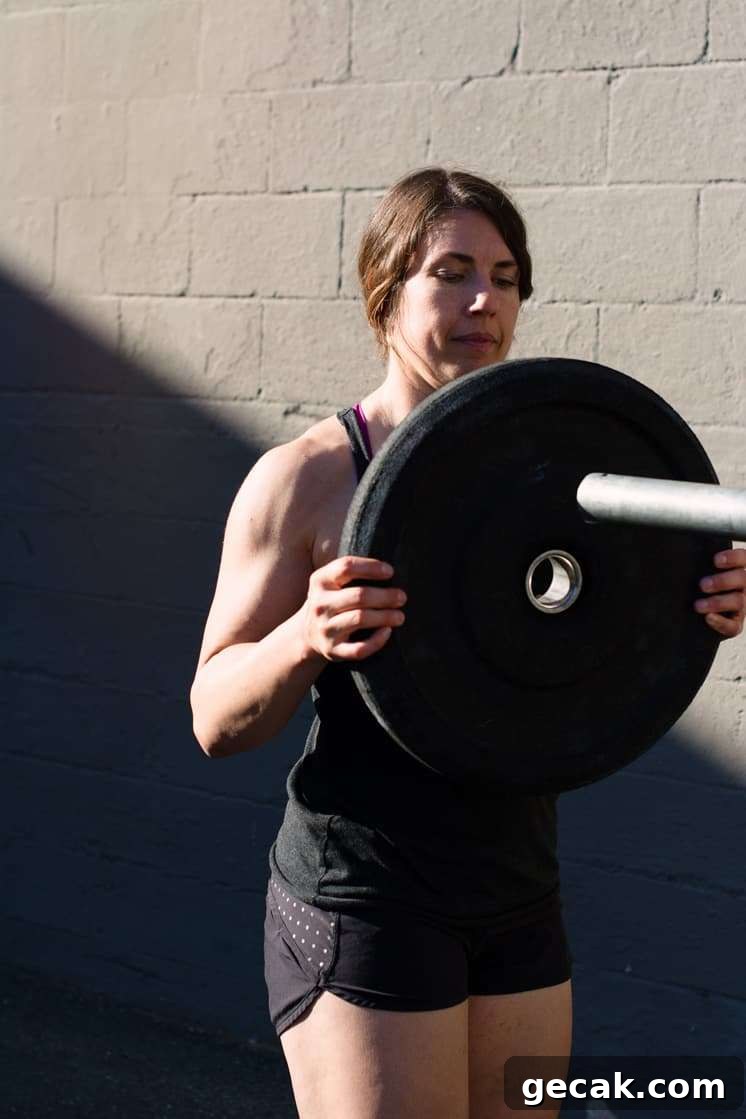
Strength training for beginners is increasingly popular among women, and with good reason. Many who want to add strength training to their routines feel excited but intimidated about where to start.
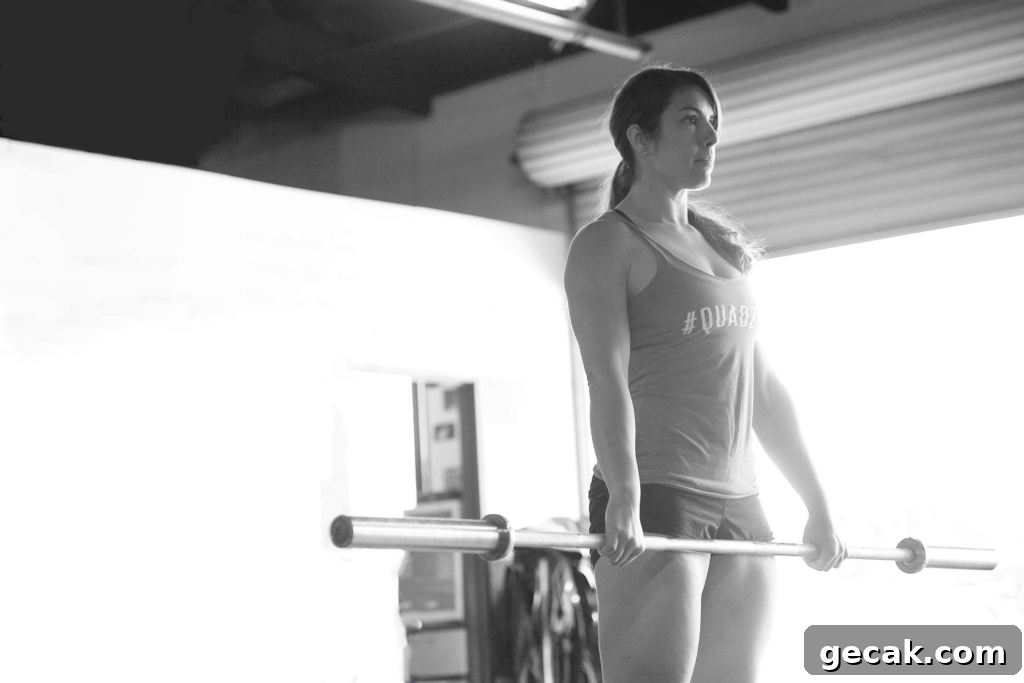
You’re not alone. I hear from many women who don’t know which training style to choose, how to pick the right gym, or how to progress safely and effectively so their time pays off.
The internet and social media add to the confusion. Scanning online, you’ll find every beginner strength method and countless “experts” claiming theirs is the only correct approach. Experienced coaches, however, will tell you there’s no single right way that fits everyone.
Still, a few scientific and physiological principles are useful to understand as you begin.
Should Women Lift Heavy?
(Imagine me making air quotes around “heavy” — what’s heavy for one person won’t be for another.)
Your muscles contain different fiber types: slow-twitch and fast-twitch. Activating fast-twitch fibers requires greater load and produces more force than slow-twitch activity. You can walk for hours using predominantly slow-twitch fibers, but a heavy squat for a few reps recruits fast-twitch fibers.
To engage your full musculature and gain the greatest hormonal and body-composition benefits, include both slow- and fast-twitch work. In practical terms: if your goal is to build muscle and reduce body fat, you’ll need to lift relatively heavy loads for you.
What Does Muscle Loss Mean?
Training fast-twitch fibers also helps prevent dynapenia, a loss of muscle power. Dynapenia used to be associated mainly with older adults, but it is becoming more common in younger people. If you’ve stumbled and couldn’t catch yourself, reduced muscle power might be a factor.
This is less about aesthetics and more about health, function, and maintaining independence: use it or lose it.
What is Progressive Overload?
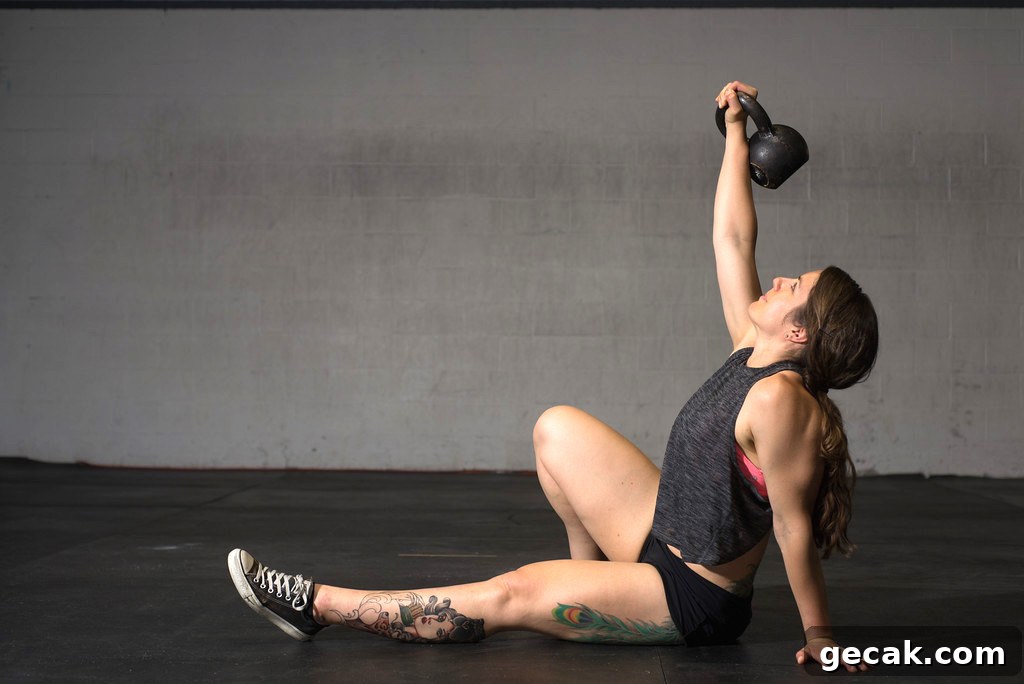
If you always perform the same reps, sets, and loads, progress stalls. That’s why progressive overload matters: it’s a systematic way to increase the stress on your body over time to drive strength gains. Bodyweight exercises can be a great starting point, but adding load or varying intensity is necessary to keep improving.
For beginners and intermediate lifters, linear progression—gradually increasing load over weeks—works well. More advanced trainees benefit from more complex periodization and cycles.
Will Lifting Weights Make Me Bulky?
Many women fear getting “bulky,” but this often hides uncertainty about how to start. The typical appearance most women want—firmer, more toned muscle with reduced body fat—can usually be achieved with two to three strength sessions per week. Women have far lower testosterone levels than men, and genetics and hormones make gaining very large amounts of muscle difficult for most.
Four Strength Training Tips for Beginners
1) Find a quality coach or gym
A knowledgeable coach can be invaluable. You can begin with home workouts and online videos, but a coach can assess your mobility and strength, account for your history and goals, and create a program that challenges you without needlessly risking injury. Coaches should do more than motivate: they should correct form, program progression, and incorporate progressive overload appropriately.
When choosing a gym, visit facilities, observe the community, and ask questions. Look for offerings like one-on-one training, small groups, beginner on-ramps, and reputable coach certifications. Trust your instincts—if a place doesn’t feel right, keep looking. Personal recommendations from friends can also be very helpful.
2) Prioritize form over load
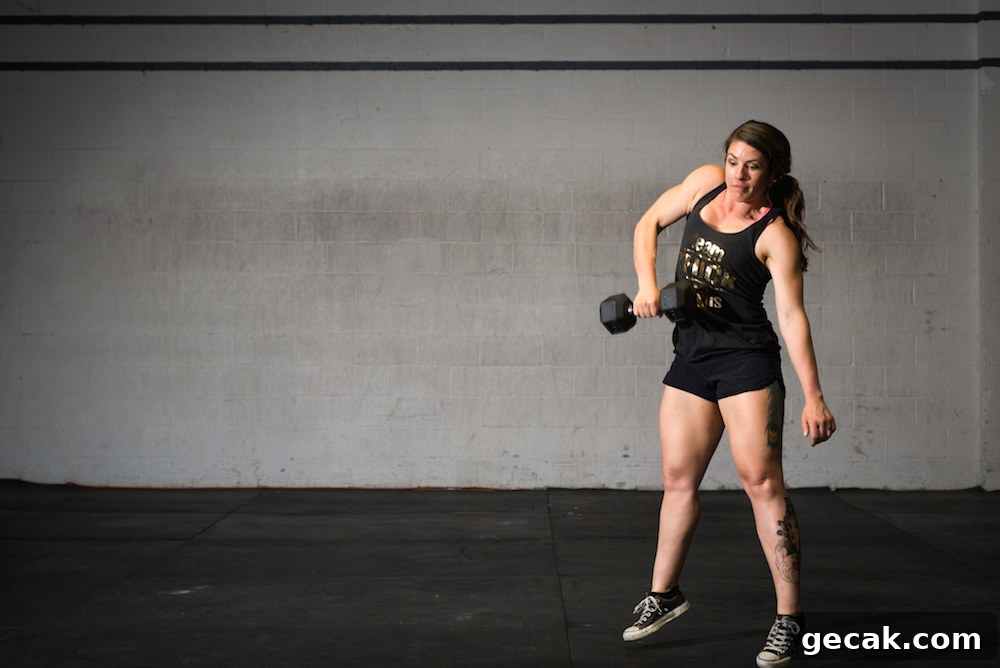
Proper technique matters more than lifting heavier weight. Good form minimizes injury risk and ensures you’re training the intended muscles. It’s normal for form to erode slightly during challenging sets, but if you can’t maintain basic performance cues, reduce the weight or stop. Strength training’s goal is progressive improvement with sound technique and adequate recovery.
3) Don’t stay too light all the time
Lifting weights that are far below your capability indefinitely limits the benefits. To recruit more muscle fibers and gain the metabolic and composition advantages of resistance training, you’ll eventually need to progress to heavier or weighted variations of exercises. “Heavy” here is relative—moderate to challenging dumbbells, kettlebells, barbells, or loaded implements like sandbags or medicine balls can suffice. Smart programs also include planned deload or recovery weeks.
Busting bulky myths
Because women typically have much less testosterone than men and because myostatin genetically regulates muscle growth, excessive, rapid muscle growth is uncommon. Getting stronger does not automatically equal becoming overly muscular. Most people who have very large muscle mass have deliberately pursued that outcome with specific nutrition and training strategies.
4) Don’t cherry-pick programs
Consistency matters. Resist the urge to jump from program to program without committing to a plan. Novices benefit from simple, structured progression programs centered on compound lifts—squats, deadlifts, presses—rather than chasing trends. Give a well-designed plan time to work and be patient with progress; strength and skill development take repetition and consistency.
To sum it up…
Strength training for beginners doesn’t have to be intimidating. Choose a knowledgeable coach or facility, use appropriately challenging loads, focus on sound technique, and follow a consistent program. Start by moving your body and gradually incorporate resistance training. With time, you’ll build strength that supports both appearance and health—so get moving, enjoy the process, and have fun!
Updated: October 17, 2021
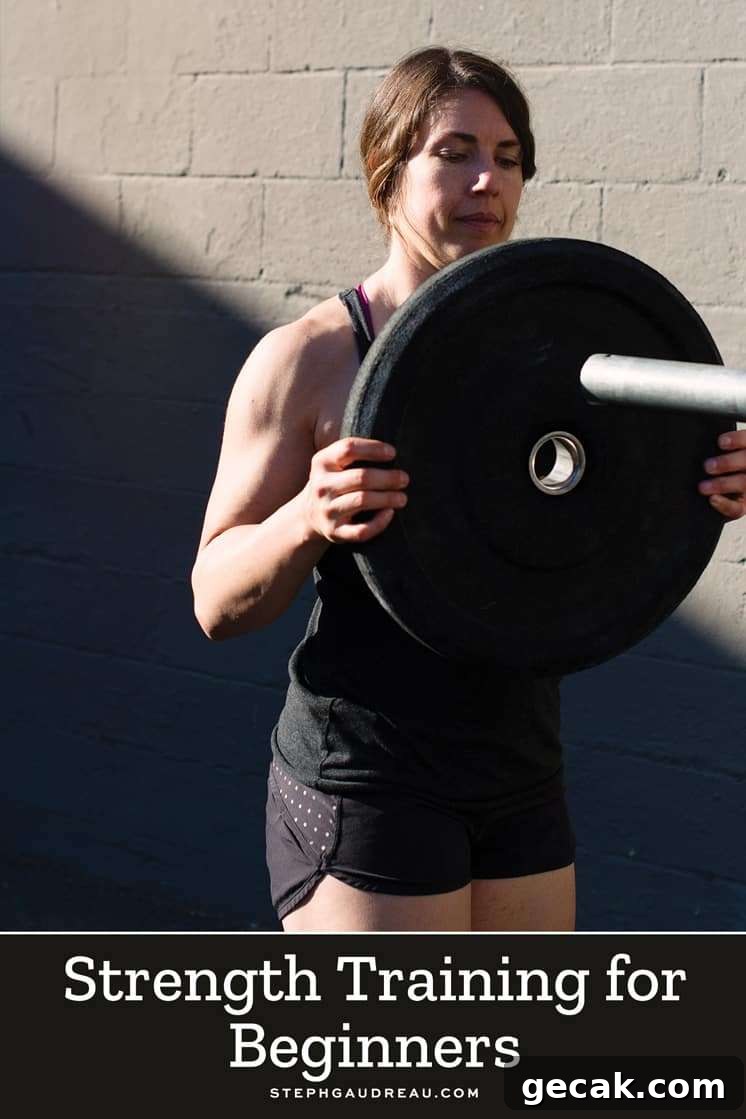
Pin Strength Training for Beginners
References & Further Reading
Izumiya, Y., Hopkins, T., Morris, C., Sato, K., Zeng, L., Viereck, J., Hamilton, J., Ouchi, N., LeBrasseur, N., & Walsh, K. Fast / Glycolytic Muscle Fiber Growth Reduces Fat Mass and Improves Metabolic Parameters in Obese Mice. Cell Metabolism, 7(2), 159-72.
Srikanthan, P., & Karlamangla, A. (2014). Muscle Mass Index As a Predictor of Longevity in Older Adults. The American Journal of Medicine, 127(6), 547–553.
Pedersen, B., & Febbraio, M. (2008). Muscle As an Endocrine Organ: Focus On Muscle-Derived Interleukin-6. Physiological Review, 88(4), 1379-406.
Photos by: Adam Bartlett & Richwell Correa