Table of Contents
While many of our posts highlight different cuts of meat for sous vide, vegetables deserve equal attention. The sous vide method is ideal for vegetables: it preserves color, texture, and nutrients while delivering consistent results. Vegetables make excellent, healthy side dishes and adapt well to precise temperature control. In the sections below we cover why sous vide works so well for vegetables and share three favorite vegetable recipes to get you started.
Why Sous Vide Veggies?
Sous vide offers clear advantages over traditional techniques when cooking vegetables. Sealing vegetables in a vacuum bag locks in their natural juices, flavor compounds, vitamins, and minerals. Precise temperature control prevents overcooking and ensures a consistent, desirable texture every time. The method is also largely hands-off, freeing you to prepare other parts of the meal while the water bath does its work.
Vegetables are typically cooked at higher temperatures than most meats. Many home sous vide cooks target around 183°F (84°C) because vegetables contain pectin, a structural carbohydrate that breaks down at higher temperatures. That breakdown produces tender, evenly cooked vegetables while retaining color and nutrients better than prolonged boiling or pan-frying.
What are the best vegetables to sous vide?
Root vegetables like carrots and potatoes, along with green beans, asparagus, onions, and corn, are excellent candidates for sous vide. They respond well to controlled heat, keeping vibrant color and an ideal texture. Below are three tested recipes—Szechuan green beans, buttered carrots, and seasoned potatoes—to demonstrate how versatile sous vide vegetables can be. These recipes are straightforward and adaptable to your taste.
Equipment
- Sous vide immersion circulator — for consistent temperature control.
- Container or large pot — a dedicated container helps with larger batches, but a deep pot works too.
- Vacuum sealer and bags, or heavy-duty freezer Ziploc bags — you can also use the water-displacement method to remove air.
Sous Vide Szechuan Green Beans
10 mins
1 hr
Ingredients
- 5 oz fresh green beans
- 2 tsp sriracha sauce (adjust to taste)
- 1 tsp sesame oil
- 1/2 tsp dried onion flakes
- 1 1/2 tsp minced ginger
- 1 1/2 tsp minced garlic
- 1/4 tsp chili flakes
Instructions
- Preheat your sous vide to 80°C (180°F).
- In a small bowl, combine sesame oil, dried onion flakes, minced ginger, and chili flakes.
- Place green beans in a quart-sized sous vide bag, add sriracha to taste, then add the oil and spice mixture.
- Seal the bag using a vacuum sealer or the water-displacement method, then submerge in the water bath.
- Cook 30–40 minutes for very crisp beans or about 1 hour for slightly more tender beans; adjust time for thicker pods.
- Remove beans from the bag with tongs, drizzle any accumulated juices over them, and season with garlic salt or extra chili flakes if desired.
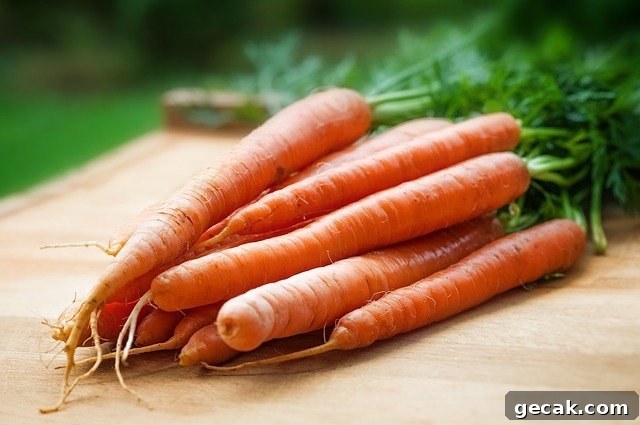
Sous Vide Carrots
10 mins
1 hr
Ingredients
- 1 lb peeled carrots
- 2 tbsp butter
- 1 tsp kosher salt
- 1 tsp freshly ground black pepper
Instructions
- Preheat the sous vide to 183°F (84°C).
- Combine peeled carrots, butter, salt, and pepper in a vacuum bag or heavy-duty zipper bag.
- Seal the bag and cook in the water bath for about 1 hour, then remove and serve warm.
Sous Vide Potatoes
10 mins
1 hr
Ingredients
- 1 lb baby or small potatoes
- 1 tbsp chopped chives
- 1 tsp kosher salt
- 1/2 tsp fresh black pepper
- 2 tbsp olive oil
Instructions
- Cut any larger potatoes into pieces no larger than 1 inch so they cook evenly.
- Heat the sous vide water bath to 193°F (89°C).
- Place potatoes in a bag with salt, pepper, chives, and olive oil.
- Seal the bag using a vacuum sealer or the water-displacement method, then submerge.
- Cook for about 1 hour, remove from the bag, garnish, and serve.
These recipes illustrate how sous vide can elevate everyday vegetables, keeping vibrant color and ideal texture while locking in flavor. For more inspiration and recipes, explore additional sous vide vegetable options and variations tailored to your preferences.