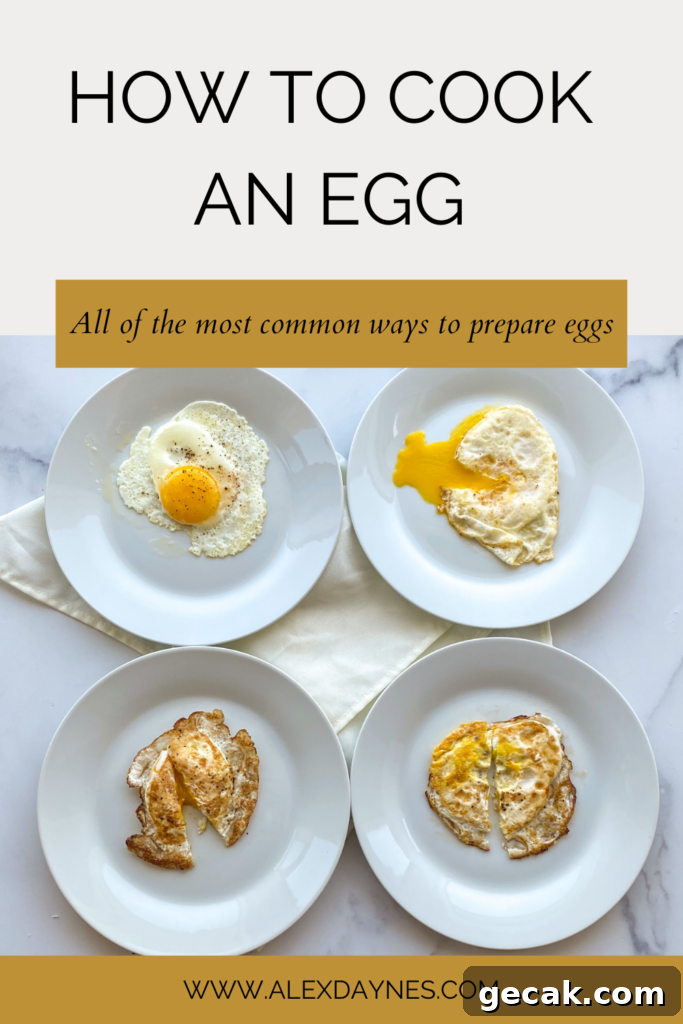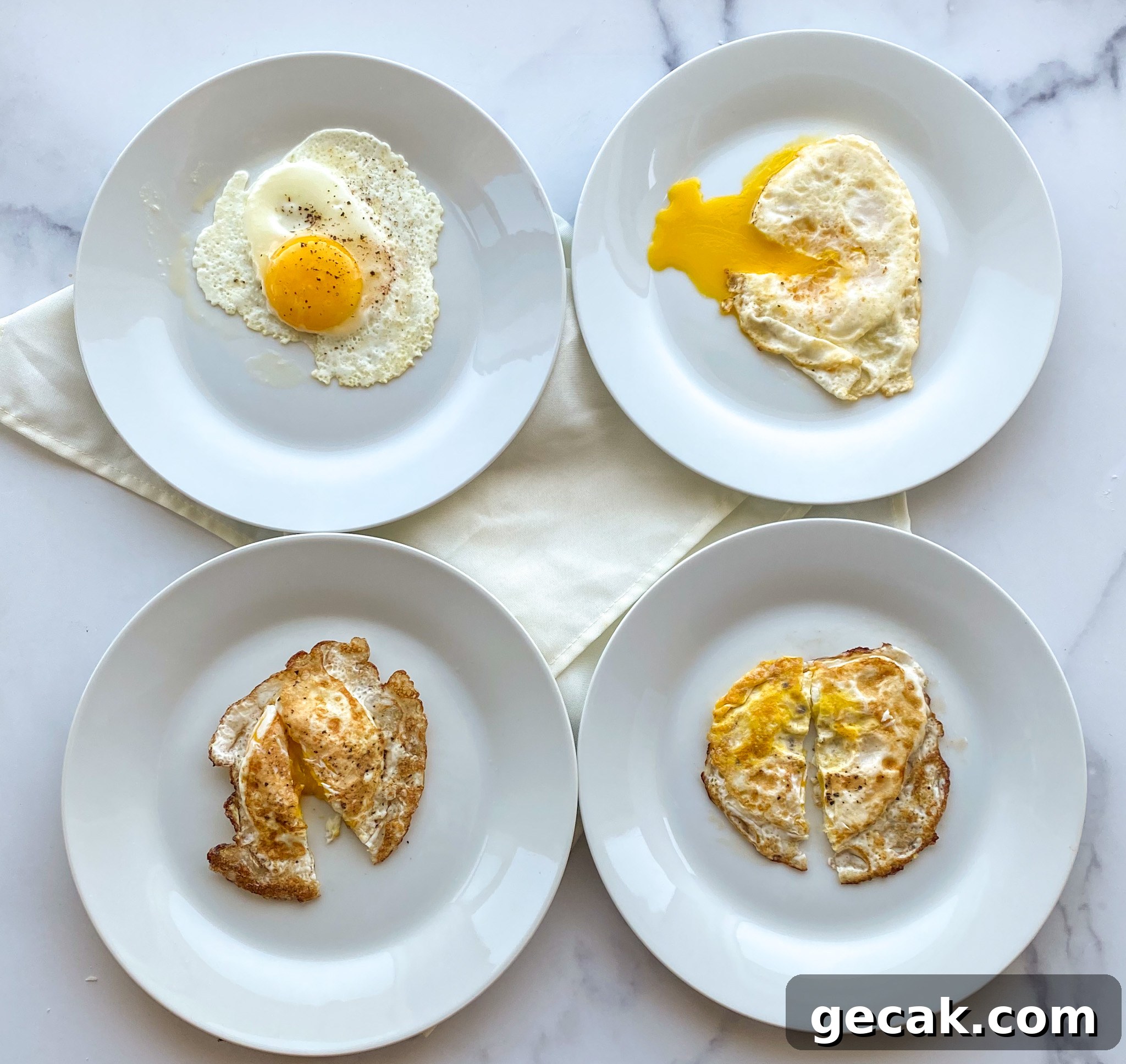
How do you like your eggs? Whether you prefer them soft and runny or firm and set, knowing the basic methods for cooking eggs gives you options for any meal. Below are clear, reliable steps for five classic stovetop egg preparations—from fluffy scrambled to perfectly fried over-hard. These are the egg fundamentals every home cook should master.
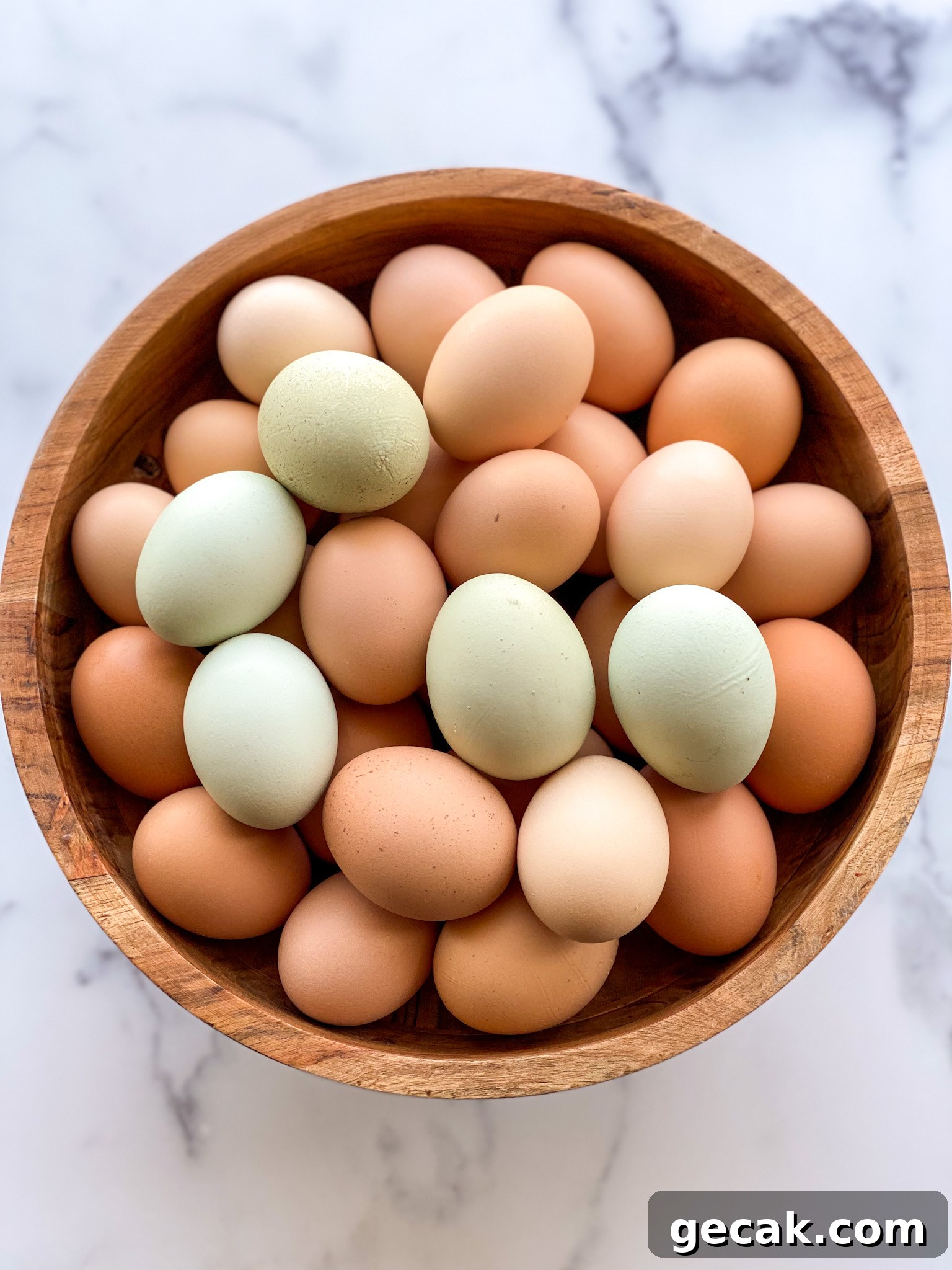
How Do You Like Your Eggs?
There are many ways to prepare an egg, but these five techniques cover the most common preferences:
- Scrambled
- Sunnyside Up
- Over (Easy, Medium, Hard)
A few general tips apply to nearly every method: use a good-quality nonstick pan for easy release, and cook eggs with butter for flavor and texture rather than cooking spray. Now let’s walk through each style and how to execute it consistently.
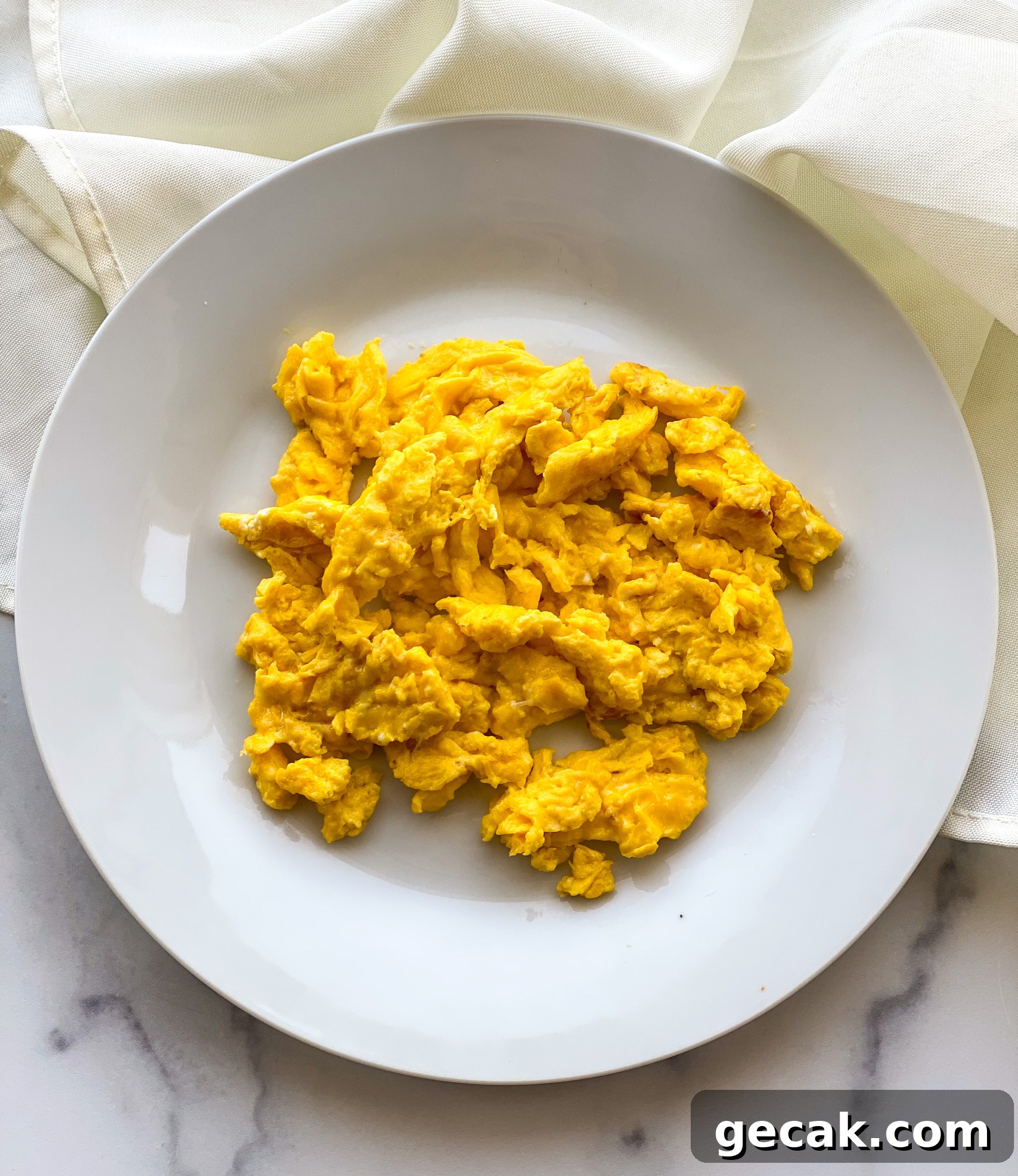
1. Scrambled Eggs
Perfect scrambled eggs are light, tender, and slightly creamy. Two simple tricks: whisk thoroughly to incorporate air, and add a little dairy or cultured ingredient for richness.
- Aggressively whisk the eggs until pale, foamy, and uniform in color.
- Add a splash of whole milk, half-and-half, Greek yogurt, or a spoonful of sour cream to enrich the texture.
How to Perfectly Scramble Eggs
- Whisk eggs with a small amount of sour cream (or your chosen dairy) in a bowl until smooth and slightly frothy.
- Melt butter in a small nonstick pan over medium heat so it coats the surface and just begins to foam.
- Pour the eggs into the center of the pan, then immediately reduce heat to medium-low.
- When the edges start to set, gently push the eggs across the pan with a spatula. Pause between pushes to let uncooked egg settle and form soft curds.
- When large, pillowy curds form and the mixture still looks slightly wet, fold the eggs into themselves a few times to bring them together.
- Remove from heat while the eggs still glisten with moisture — they will finish setting off the heat.
- Serve immediately for soft, fluffy scrambled eggs.
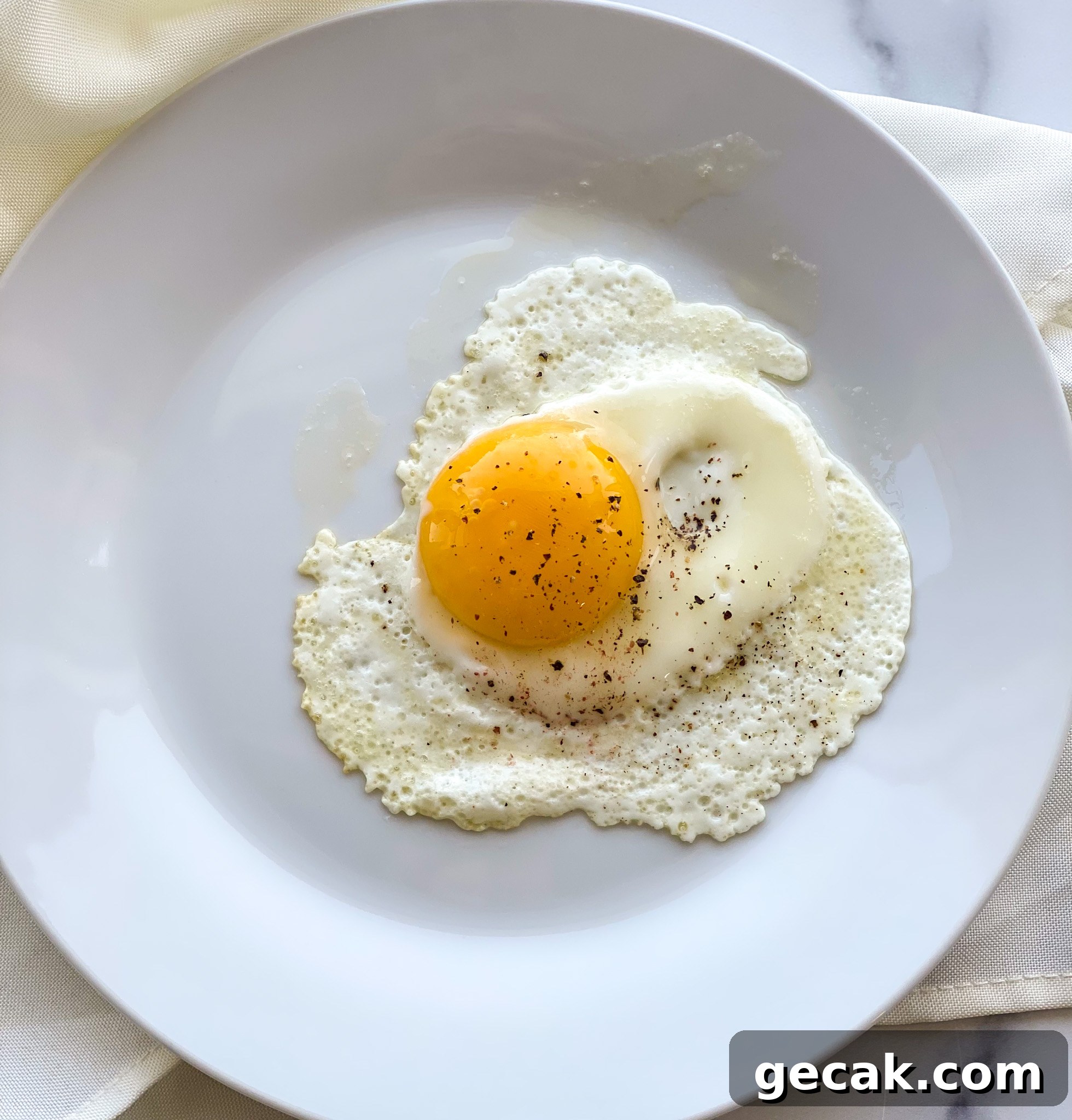
2. Sunnyside Up Eggs
Sunnyside up eggs are fried on one side only. The whites should be fully set while the yolks remain bright and runny—perfect for dipping toast.
- Use a nonstick pan so the eggs slide out easily.
- Cook over medium heat so the whites set gently while the yolk stays liquid.
How To Make the Perfect Sunnyside Up Eggs
- Heat butter in a nonstick skillet over medium heat until it lightly foams, tilting the pan to coat evenly.
- Break eggs into the skillet, season with salt and pepper, and cook until the whites are set and the yolks remain runny, about 3 minutes.
- Transfer to a plate and serve immediately.
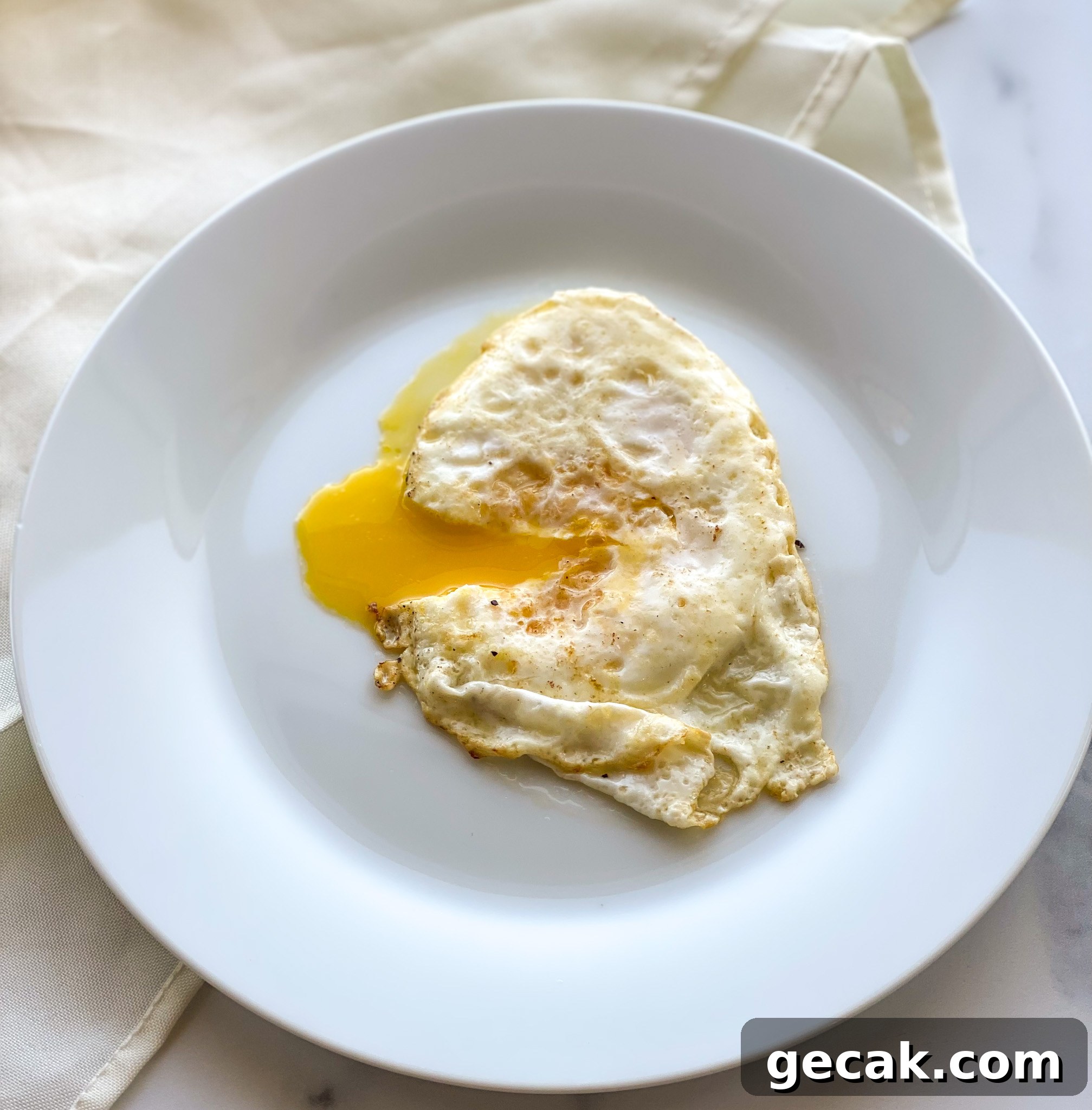
3. Over Easy Eggs
Over easy eggs are fried on both sides but flipped briefly so the yolk stays runny. “Over” indicates a flip; “easy” refers to the soft, liquid yolk.
How to Make the Perfect Over Easy Eggs
- Heat butter in a nonstick skillet over medium heat until it foams and coats the pan.
- Break eggs into the skillet, season, and cook until the whites are mostly set.
- Gently flip each egg without breaking the yolk and cook for about 1 minute. The yolk should remain runny when served.
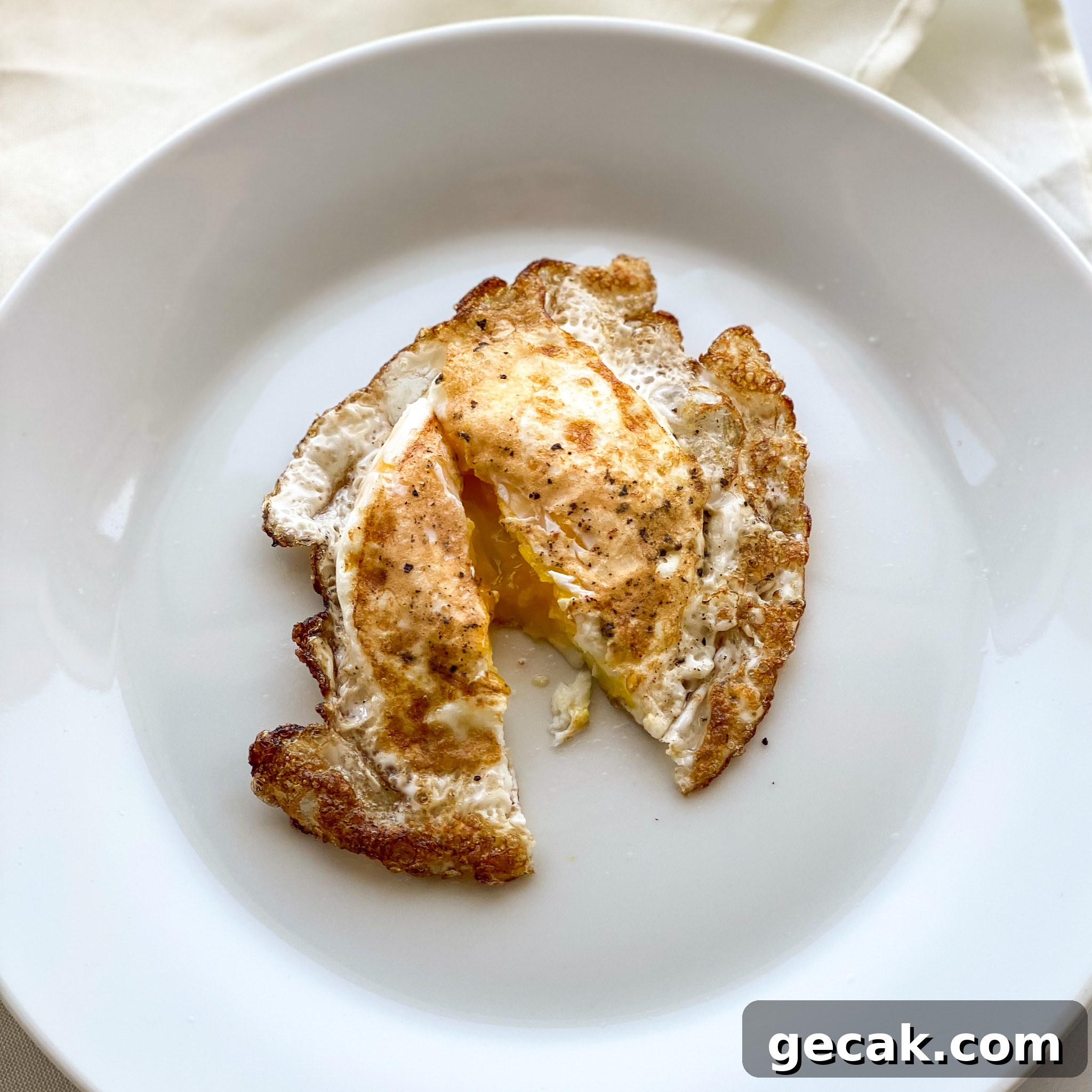
4. Over Medium Eggs
Over medium eggs are flipped like over easy, but cooked a little longer so the yolk is slightly thickened and only partly runny.
How to Make the Perfect Over Medium Eggs
- Heat butter in a nonstick skillet over medium heat until foaming.
- Break eggs into the pan, season, and cook until the whites are set.
- Flip gently and cook about 1½ minutes, yielding a yolk that is only slightly runny.
5. Over Hard Eggs
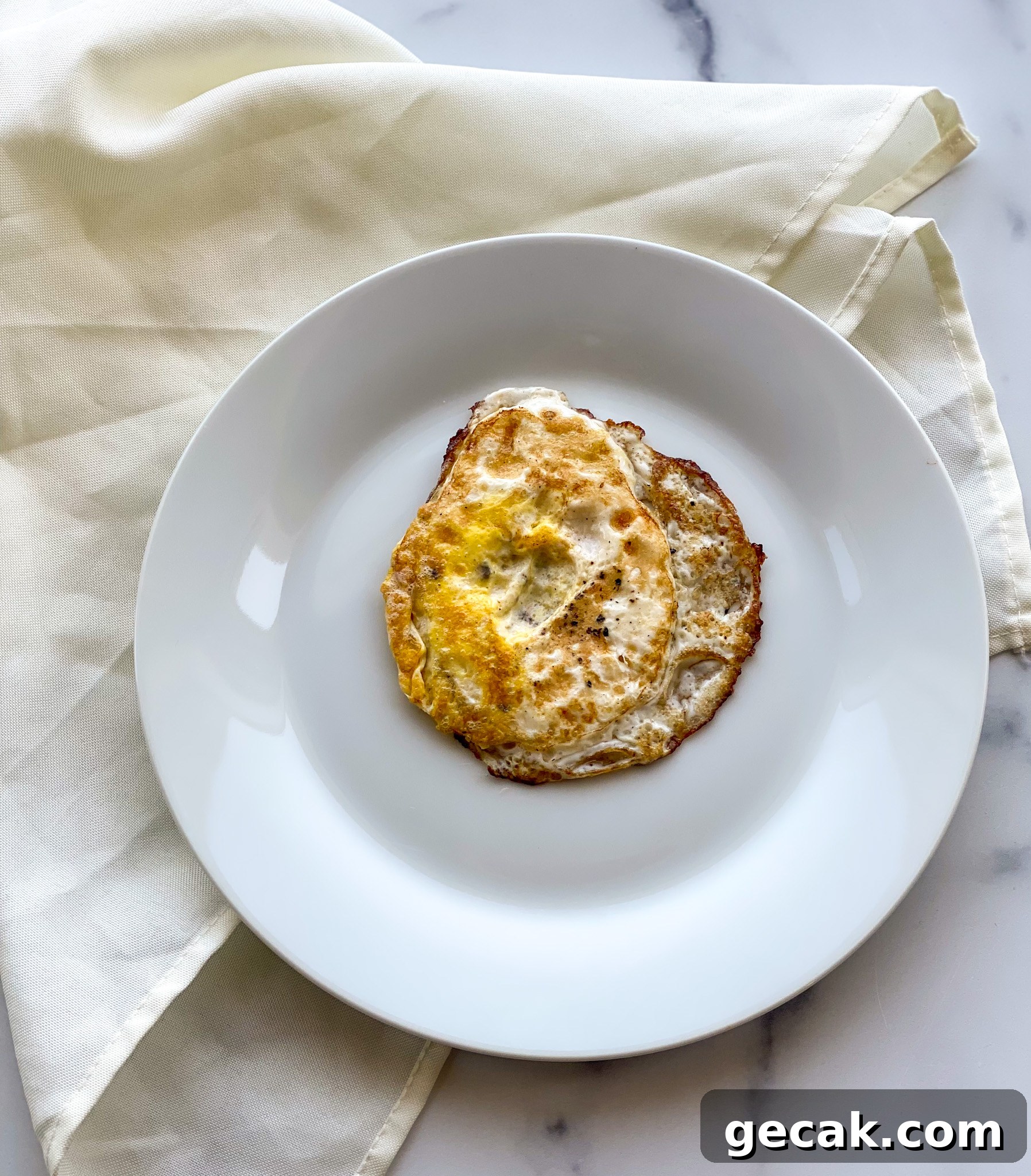
Over hard eggs are flipped and cooked until the yolk is fully set. This method yields a firm, fully cooked yolk and crisped edges when desired.
The difference between over medium and over hard is simply cooking time after the flip.
How to Make the Perfect Over Hard Eggs
- Heat butter in a nonstick skillet over medium heat until it foams and coats the pan.
- Break eggs into the pan and, if desired, lightly break the yolk before cooking. Season with salt and pepper.
- When the whites are set, flip the eggs gently and cook about 2 minutes or until the yolk is completely firm. Transfer to a plate and serve.
More Egg Recipes
These five techniques cover straightforward stovetop preparations, but eggs are incredibly versatile—boiled, poached, baked, or turned into omelets and frittatas. Try these basic methods first, then experiment with herbs, cheeses, or a splash of cream to make each style your own.
Which style is your favorite? Share your preference and any tweaks you like to use when cooking eggs.
Be sure to share this guide with friends and leave a comment if you tried a new method. Happy cooking!
XOXO,
Alex Daynes
If you try these methods, leave a comment or snap a photo and tag it on Instagram so I can see what you made. I love seeing your cooking!
Save This Recipe